
Woodwardia spinulosa
Woodwardia spinulosa
Description
Growing requirements
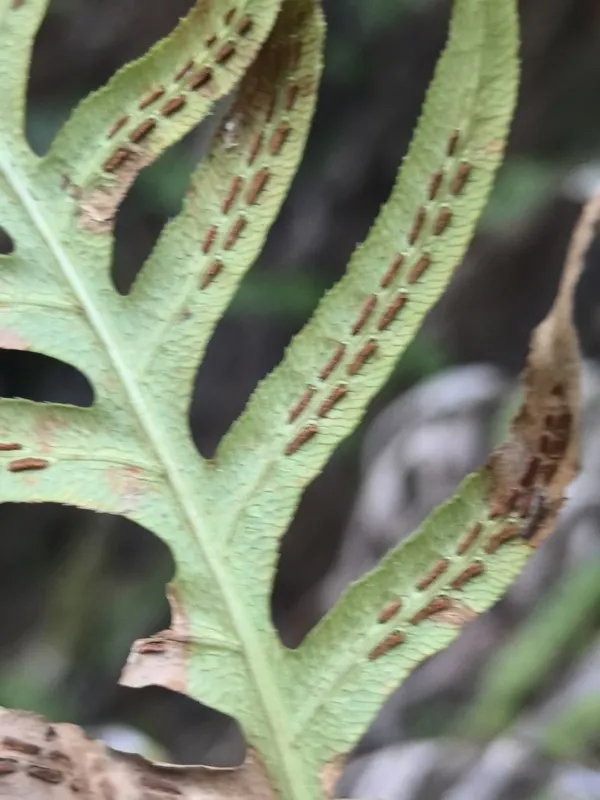
Woodwardia spinulosa, commonly known as a type of chain fern, is a perennial plant belonging to the Blechnaceae family. It is native to forest regions characterized by high humidity and moderate temperatures, where it grows in the understory.
The cultural requirements for this fern include shady or semi-shaded environments, protecting the fronds from intense direct sunlight which can scorch the foliage. It thrives in locations with high atmospheric moisture, making it ideal for temperate gardens.
Optimal soil conditions involve a nutrient-rich, well-draining substrate with a slightly acidic pH level. Consistent irrigation is essential to keep the root system moist without allowing for stagnant water, which can be detrimental to the plant's health.
Agronomic management practices focus on organic mulching to preserve moisture and suppress weeds, as well as providing protection from cold, dry winds during extreme seasonal changes.
The primary economic value of Woodwardia spinulosa lies in the horticultural sector, where it is cultivated as an ornamental plant for landscaping shaded garden areas, woodland borders, and conservatory displays.
Main diseases and pests
Common pests affecting this species include spider mites and mealybugs, which are particularly problematic in environments where the air humidity drops significantly below the required levels.
Fungal pathogens such as root rot can occur if the soil is consistently waterlogged, leading to the decay of the rhizomes. Proper drainage is the most critical factor in preventing these pathological conditions.
Control strategies involve a combination of cultural practices, such as increasing air circulation, and the application of chemical treatments like acaricides or fungicides when infestations or infections are detected.
Regular sanitation, including the removal of dead or decaying fronds, is necessary to minimize the habitat for pests and prevent the spread of fungal spores among healthy foliage.
It is recommended to inspect the underside of the leaves frequently, as pests often cluster in these areas, making early detection vital for maintaining the plant's aesthetic quality.