
Woodwardia radicans
Woodwardia radicans
Description
Growing requirements
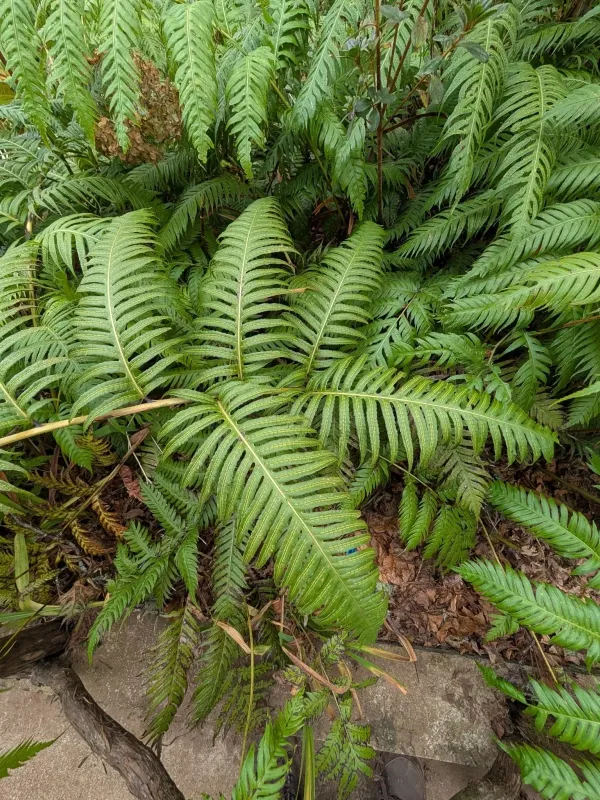
Woodwardia radicans, commonly known as the European chain fern, is a robust species within the Blechnaceae family. It is native to the humid forests of the Mediterranean basin, the Canary Islands, and the Azores, where it thrives in sheltered, damp habitats.
Botanically, this fern is characterized by its large, arching fronds. A distinct feature of this species is its method of vegetative propagation: it produces adventitious buds on the tips of its fronds, which develop roots when they touch the damp ground.
To cultivate Woodwardia radicans successfully, it is essential to mimic its natural environment. The plant requires consistent moisture, high air humidity, and a protected site away from direct, harsh sunlight which can quickly damage the delicate fronds.
The ideal potting medium should be acidic, well-draining, and rich in organic matter, such as leaf mold or peat-based mixes. Proper aeration is crucial to prevent the roots from suffocating in overly compacted soil.
Since it is not frost-tolerant, this fern is best grown in glasshouses, conservatories, or as a container plant. During the winter, it must be kept in a temperature-controlled environment to avoid tissue damage from cold temperatures.
Main diseases and pests
Common pests that affect Woodwardia radicans in greenhouse settings include scale insects and mealybugs. These pests hide on the undersides of the fronds, where they extract nutrients and weaken the overall vitality of the plant.
Root rot is a major threat caused by poor drainage and excessive watering. This condition often results in the yellowing of fronds and the eventual decline of the entire specimen if not addressed promptly by improving soil conditions.
Botrytis, or gray mold, can occur when the humidity levels are too high combined with poor air movement. This fungal disease creates fuzzy patches on the fronds, necessitating the removal of affected parts and improved ventilation.
Spider mites are a persistent concern, especially in environments where the air is too dry. Regular misting and maintaining optimal humidity levels help to create an environment less hospitable to these microscopic pests.
Management of these threats involves a combination of cultural practices, such as maintaining cleanliness and proper plant spacing, and the application of appropriate horticultural chemicals when necessary to maintain plant health.