
Oriental chain fern
Woodwardia orientalis
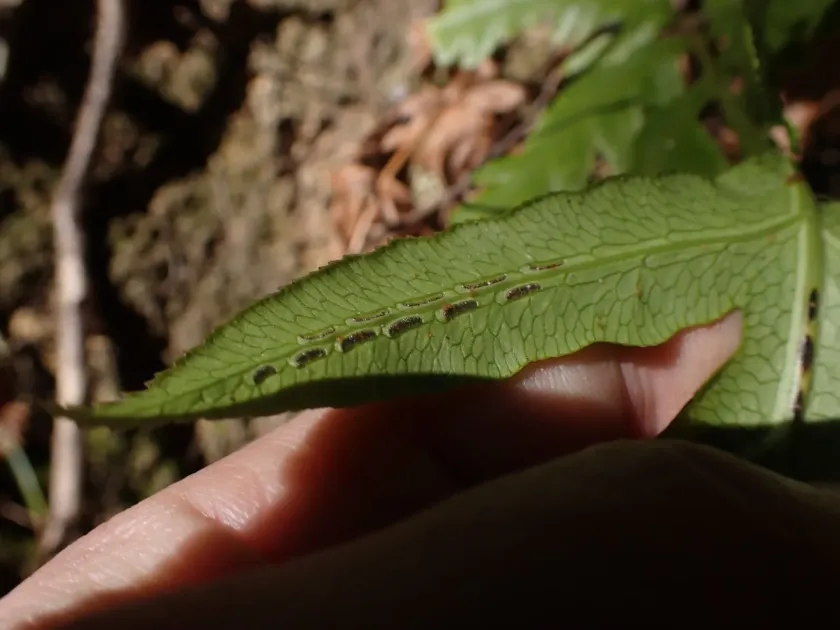
Description
Growing requirements
The Oriental chain fern (Woodwardia orientalis) is a distinctive perennial fern species belonging to the Blechnaceae family. Its native range is concentrated in East Asia, specifically in countries like China, Japan, and Taiwan, where it grows in damp, forested habitats and sheltered rocky outcrops.
Cultivation requirements for this species focus on providing a stable, shaded environment. Woodwardia orientalis thrives in filtered light or partial shade; intense, direct sunlight often results in scorched fronds and poor developmental vigor, reducing the plant's aesthetic appeal.
High humidity and consistent soil moisture are essential for the health of this fern. While the plant requires frequent watering, it does not tolerate waterlogged conditions, making well-draining soil mixes a fundamental requirement for both indoor and greenhouse cultivation.
The soil should be rich in organic matter and slightly acidic. Incorporating materials like leaf mold, peat, and perlite helps maintain the necessary aeration while holding sufficient moisture. The plant is sensitive to temperature extremes and generally prefers cool to mild conditions.
This fern is highly valued in horticulture for its unique biological feature: it produces bulbils (adventitious buds) on the upper surface of its fronds. These bulbils eventually grow into small plantlets, providing an efficient mechanism for natural propagation and a unique visual display.
Main diseases and pests
Spider mites are a primary concern for the Oriental chain fern, particularly when grown indoors where air humidity may fluctuate. Regular misting and the use of natural predators or insecticidal soaps are recommended to keep mite populations under control.
Root rot is the most significant disease risk, typically triggered by improper watering practices or heavy, poorly drained soil substrates. Preventive measures include using high-quality potting mix and ensuring containers have adequate drainage holes.
Scale insects can occasionally infest the stems and leaves of the fern. Manual removal followed by treatment with systemic insecticides is often effective in preventing localized outbreaks from spreading across the collection.
Fungal leaf spot diseases can develop if the environment lacks sufficient ventilation, especially in dense greenhouse settings. Promoting airflow and removing affected fronds promptly helps maintain the overall health and vigor of the plant.
Snails and slugs can cause damage to the tender emerging fronds when the plant is kept in an outdoor shaded area. Implementing barrier methods or baiting can protect the foliage from extensive physical damage during the active growing season.