
Woodwardia areolata
Woodwardia areolata
Description
Growing requirements
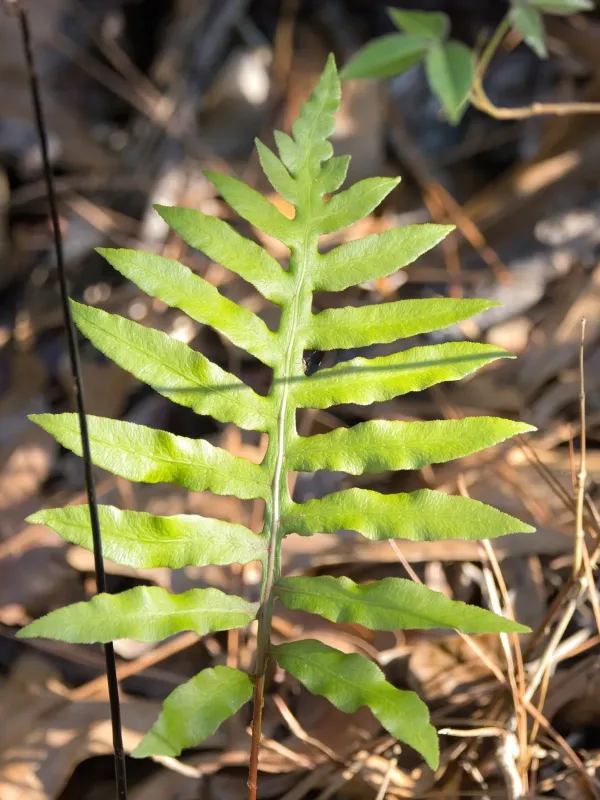
Woodwardia areolata, commonly known as the netted chain fern, is a perennial plant belonging to the Blechnaceae family. This species is highly valued in horticulture for its unique leaf structure and its ability to thrive in wet, shaded environments.
Native to the eastern parts of North America, this fern is naturally adapted to wetland habitats, swamps, and riverbanks. These origins dictate its essential horticultural requirement: a consistently moist, acidic soil environment that mimics its natural ecosystem.
For cultivation, Woodwardia areolata prefers shady or partially shaded locations. Direct sunlight can scorch the delicate fronds, leading to browning and stunted growth. Therefore, it is ideal for planting in woodland gardens or near the margins of water features.
The agronomy of this crop relies heavily on soil management. Incorporating organic matter, such as peat moss or leaf mulch, helps maintain acidity and water retention. Proper moisture management is crucial, as the plant cannot survive extended periods of drought.
The botanical structure consists of dimorphic fronds, where fertile, spore-bearing leaves appear differently from the sterile vegetative ones. Maintenance involves keeping the root system cool and moist throughout the growing season to ensure vigorous leaf development.
Main diseases and pests
The primary threats to Woodwardia areolata include root rot caused by stagnant water conditions and poor soil aeration. While the plant loves moisture, it requires a substrate that allows for subtle water movement to prevent the buildup of harmful fungi.
Pest issues are typically dominated by gastropods such as slugs and snails, which feed on the succulent young fronds. During dry spells, the spider mite can become a nuisance, especially if the air humidity levels are not properly maintained.
Preventative measures include maintaining adequate spacing between plants to allow for airflow, which reduces the risk of fungal infections. Clearing away debris and mulch that has become too thick can also help minimize the hiding spots for common pests.
Avoid excessive use of high-nitrogen synthetic fertilizers, as they can cause rapid, weak growth that makes the fern more susceptible to insect attacks. Using organic fertilizers like well-rotted compost is the preferred method for long-term health.
Monitoring for signs of chlorosis is essential, as this often indicates improper soil pH. Correcting the acidity of the growing medium will often resolve leaf discolouration issues without the need for additional chemical treatments or pesticides.