
Woodwardia martinezii
Woodwardia martinezii
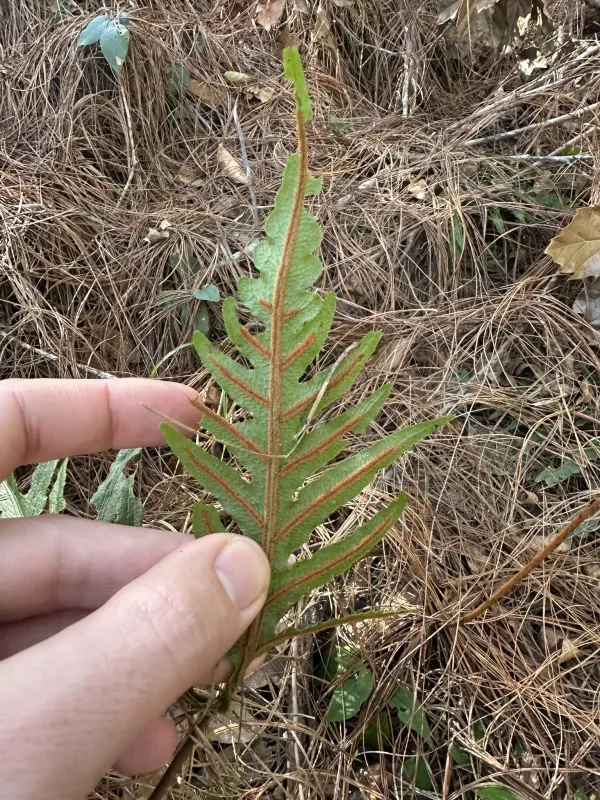
Description
Growing requirements
Woodwardia martinezii is a distinctive fern species belonging to the Blechnaceae family. Native to the mountainous regions of Mexico, this plant has adapted to thrive in high-altitude forest ecosystems where fog and shade provide consistent environmental stability.
The cultivation of this fern requires meticulous attention to humidity levels. Ideally, it should be kept in environments where ambient humidity stays well above 60 percent, making it an excellent candidate for humidified conservatories or specialized fern houses.
Requirements for the growth medium are specific: the soil must be porous, well-draining, and rich in organic matter. A mixture consisting of peat moss, pine bark, and perlite provides the necessary aeration for its delicate rhizomes to breathe properly.
Standard agrotechnical practices for this species focus on water quality and shading. Indirect, filtered light is essential, as the fronds are susceptible to burning if exposed to direct sunlight, even in early morning hours.
In terms of economic and horticultural use, Woodwardia martinezii is primarily appreciated by collectors and botanic gardens for its architectural aesthetic. Its large, lush fronds add significant ornamental value to interior landscapes and temperate shady garden installations.
Main diseases and pests
Fungal pathogens represent the most significant threat to the health of Woodwardia martinezii, particularly in stagnant, non-ventilated environments where water accumulates on the crown.
Pest management is critical, as the plant can be infested by scale insects or spider mites if conditions become too dry. Maintaining proper hygiene and adequate air circulation helps to prevent these issues effectively.