
Giant Chain Fern
Woodwardia fimbriata
Description
Growing requirements
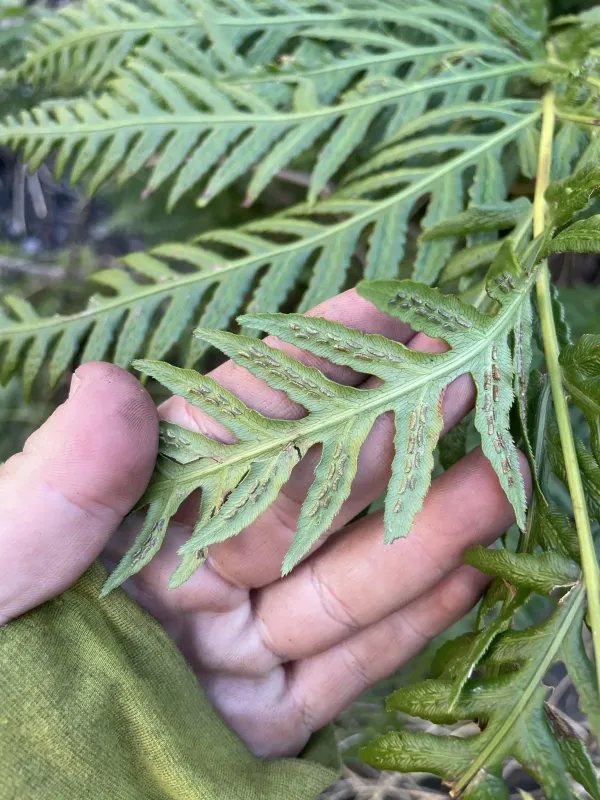
The Giant Chain Fern (Woodwardia fimbriata) is a majestic perennial fern belonging to the Blechnaceae family, recognized as the largest fern species in western North America. It is characterized by its massive, leathery, dark green fronds that can reach significant lengths, creating a dramatic architectural presence in a garden.
Optimal growth requires a sheltered, shady location that mimics the plant's native woodland habitat. It thrives in sites protected from direct sunlight, which is crucial for preventing leaf scorch and ensuring the deep green coloration of the fronds that defines this species' beauty.
Soil conditions are vital for the Giant Chain Fern; it performs best in rich, moist, and well-draining soils. Incorporating ample organic matter, such as leaf mold or well-decomposed compost, is highly recommended to provide the necessary structure and nutrients for robust root development.
Climate requirements include protection from extreme heat and drying winds. While the fern is cold-hardy, it appreciates consistent moisture levels throughout the growing season and benefits significantly from high atmospheric humidity, particularly in regions experiencing warmer, drier periods.
In landscaping, this species serves as an exceptional structural element, often utilized in woodland gardens, along streams, or in moist, shady beds. Due to its size and long-lived nature, it provides year-round interest and effectively suppresses weed growth once established in a suitable spot.
Main diseases and pests
The Giant Chain Fern is generally robust, but it can be susceptible to fungal infections if the growing environment becomes waterlogged or lacks sufficient air circulation. Root rot is the most common ailment, typically resulting from poor drainage or excessive irrigation in heavy clay soils.
Slugs and snails are the primary pests that affect this fern, especially during the spring when new, tender fronds are emerging. These pests can cause significant aesthetic damage, necessitating the use of perimeter barriers or manual removal to protect the emerging growth.
Minor infestations of spider mites or aphids may occur if the air around the plant becomes overly dry or if the plant experiences heat stress. Increasing the ambient humidity through strategic watering or light misting is often an effective preventive and remedial measure.
Cultural hygiene plays a significant role in pest and disease prevention. Removing debris and dead fronds from the base of the plant minimizes hiding spots for mollusks and reduces the potential for fungal pathogens to establish themselves in decaying material.
Monitoring the soil moisture levels is essential for maintaining plant vigor and natural defense mechanisms. Providing a layer of organic mulch around the root zone helps regulate soil temperature and keeps the moisture consistent, reducing the plant's overall vulnerability to environmental stressors.