
Common grape vine
Vitis vinifera L. subsp. vinifera
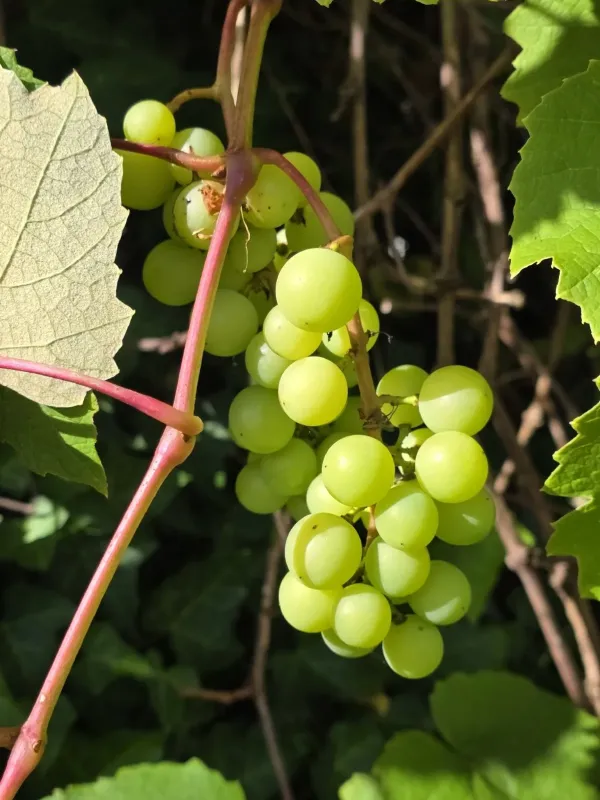
Description
Sowing dates
The common grape vine (Vitis vinifera L. subsp. vinifera) belongs to the Vitaceae family. Propagation in commercial viticulture is performed vegetatively, typically through cuttings or grafting onto resistant rootstocks.
Establishing a vineyard requires thorough soil preparation, including deep tilling and enrichment with organic matter. Planting usually occurs in early spring when the soil temperature consistently reaches 10-12 degrees Celsius.
Training systems such as trellises or cordon systems are employed to distribute the vines efficiently, allowing for maximum sunlight exposure and ventilation of the canopy.
Site selection is crucial, favoring slopes with southern exposure to maximize solar heat absorption and minimize the risk of late spring frosts in lower-lying areas.
During the first year, young vines require careful irrigation and weed control to establish a robust root system capable of sustaining long-term production.
Growing requirements
Vitis vinifera is highly demanding regarding solar radiation and cumulative heat units. Proper ripening requires specific temperature thresholds throughout the growing season.
While grapes can thrive on various soils, they perform best on well-drained loams, sandy loams, or rocky substrates that provide excellent drainage and heat retention.
Irrigation management is vital, as excessive water leads to fruit splitting and fungal diseases, whereas drought stress can cause yield reduction and poor berry development.
The soil pH should ideally remain between 6.5 and 7.5. In calcareous soils, iron chlorosis may occur, requiring targeted mineral supplementation to maintain photosynthetic efficiency.
Climate adaptability varies by variety, with many traditional European grapes requiring winter protection or specific environmental conditions to prevent frost damage to the buds.
Yield
Vineyard productivity is a function of plant spacing, vigor, and overall management practices. Yields typically range from 6 to 20 metric tons per hectare depending on the objective.
Crop thinning (green harvesting) is a common practice to ensure that the vine diverts its energy towards a smaller number of high-quality clusters rather than excessive biomass.
Advanced viticulture utilizes fertigation, a method of delivering nutrients directly to the root zone via the irrigation system, which significantly enhances consistency and yields.
The primary economic uses of the crop include table grapes for fresh consumption, wine production, juice extraction, and the production of dried grapes like raisins and sultanas.
Harvest timing is dictated by the balance of soluble solids (Brix) and acidity, which are monitored continuously as the fruit matures to ensure the desired flavor profile.
Main diseases and pests
Fungal pathogens represent the most significant threat to viticulture, specifically downy mildew (Plasmopara viticola) and powdery mildew (Erysiphe necator).
Pests such as grape berry moth, spider mites, and phylloxera present constant challenges. Phylloxera, in particular, has necessitated the widespread use of grafted rootstocks to protect vineyards.
Integrated Pest Management (IPM) strategies, including canopy thinning to improve airflow and the judicious use of fungicides, are essential for vineyard health.
Vineyard sanitation, such as removing mummified fruit and infected prunings, significantly reduces the overwintering population of major pests and diseases.
- Regular fungicide applications during wet periods
- Monitoring pest populations with traps
- Maintaining proper row spacing for aeration
Harvesting
Harvesting is the culmination of the viticultural cycle. It is conducted either manually or via mechanical harvesters depending on the scale and the end-use of the grapes.
For table grapes, extreme care is taken to preserve the bloom, a natural waxy layer on the skin that enhances appearance and extends the shelf life of the fruit.
Logistics involve the use of ventilated crates to minimize mechanical stress and heat buildup within the harvested fruit, which is crucial for maintaining quality.
Post-harvest storage requires precise temperature control, often near 0 degrees Celsius, and high humidity to prevent dehydration and decay during transport.
Quality control during harvest involves removing damaged, diseased, or under-ripe berries, ensuring only the highest quality product reaches the consumer or the winery.