
Willowleaf sunflower
Helianthus salicifolius A. Dietr.
Description
Sowing dates
The Willowleaf sunflower is primarily propagated by dividing rhizomes, a process ideally performed in early spring or autumn. Seed propagation is less common due to the plant's long growing season, which often results in seeds failing to mature in shorter-season climates.
When planting, ensure a spacing of 60 to 90 centimeters between individual plants to accommodate the rapid lateral growth of the rhizomes. A depth of 10–15 centimeters is sufficient to secure the plants firmly in the soil before the first frost.
The soil preparation should involve deep digging and the incorporation of organic matter such as compost. This initial enrichment provides the necessary nutrients for the plant to establish a deep and resilient root system during its first year of growth.
Immediately after planting, a thorough watering is recommended to settle the soil around the rhizomes. Applying a layer of mulch will help maintain moisture levels and suppress weed competition while the plant is establishing its base.
Given the vigorous nature of its root system, it is advisable to use root barriers if you wish to contain the spread of the sunflower in smaller garden beds or formal landscape arrangements.
Growing requirements
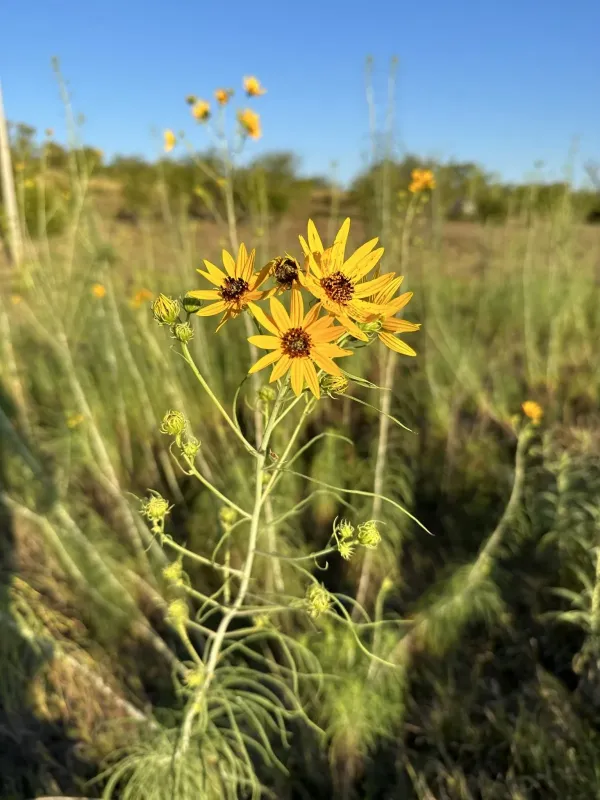
Helianthus salicifolius, commonly known as the Willowleaf sunflower, is an herbaceous perennial in the Asteraceae family native to the central United States. It is highly valued for its striking, narrow, willow-like foliage that creates a dense and attractive texture.
The plant is remarkably adaptable, thriving in full sun and a variety of soil conditions. While it prefers moist, well-draining, fertile loams, it is capable of tolerating poor soils and periodic drought once the plant has achieved maturity.
This species is exceptionally drought-tolerant, making it an excellent candidate for xeriscaping or low-maintenance garden designs. Its deep roots allow it to access water reserves far below the surface, even during extended periods of dry weather.
Winter hardiness is one of its core strengths, as the plant dies back to the ground after the first autumn frost and returns reliably the following spring. It does not require any winter protection, even in regions with harsh winters.
With stalks reaching heights of 2–3 meters, the plant requires a location protected from heavy winds. In exposed areas, support structures or stakes are necessary to prevent the tall stems from snapping under their own weight during storms.
Main diseases and pests
Powdery mildew is the most common ailment associated with this sunflower, particularly in humid climates with poor air circulation. Symptoms appear as a white, dusty layer on the leaves, which can be mitigated by ensuring adequate spacing between plants.
Rust may also affect the foliage if the plants are overcrowded or if the lower stems remain consistently damp. Proper pruning and thinning help ensure that air moves freely through the canopy, significantly reducing the risk of fungal infections.
Insect pests, specifically aphids and spider mites, may target the succulent new growth during the height of the summer. Routine inspections and the use of targeted insecticides can keep these infestations from becoming problematic.
Snails and slugs can cause significant damage to emerging shoots in the early spring months. Protecting young plants with physical barriers or non-toxic baits is a common practice for successful cultivation.
Despite these potential threats, the Willowleaf sunflower is generally considered a low-maintenance, robust plant that rarely requires chemical intervention if grown in appropriate conditions.