
White sweetclover
Melilotus albus Medik.
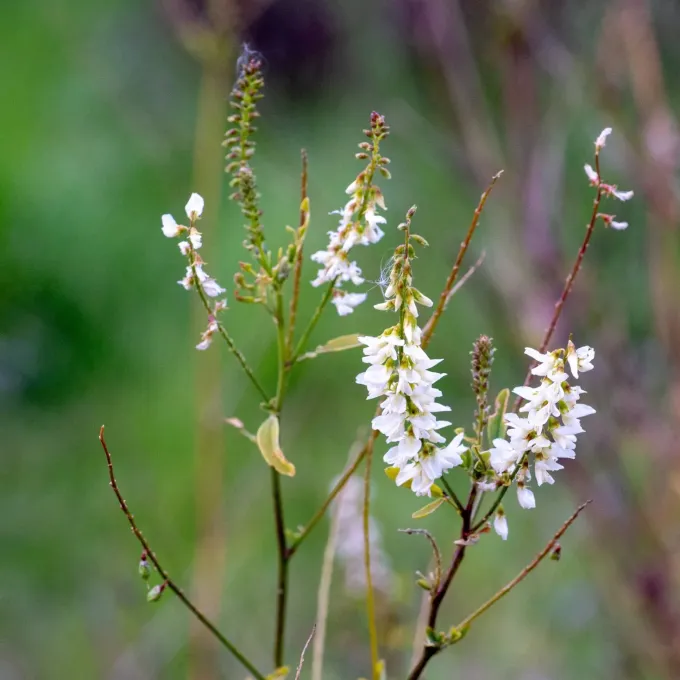
Description
Sowing dates
White sweetclover (Melilotus albus Medik.) is a member of the Fabaceae family. It is typically sown in early spring, as soon as the soil is dry enough to be worked without compaction.
The seeds have a hard seed coat, which is why mechanical scarification is necessary to ensure consistent and high field emergence across the entire planted area.
Sowing depth should be kept shallow, between 1 and 2 centimeters, to allow the small seeds to establish quickly. Broadcasting or narrow-row drilling are the most effective methods.
Autumn or late winter sowing is also an option in certain climates, leveraging the natural freezing and thawing cycles to help break dormancy and improve early spring vigor.
Optimal plant density is crucial for stand establishment. Depending on whether the crop is intended for fodder or green manure, seeding rates vary from 10 to 20 kilograms per hectare.
Growing requirements
White sweetclover is highly valued for its exceptional drought resistance. Its deep taproot system allows it to reach moisture deep in the subsoil, sustaining growth during dry spells.
The crop thrives in a wide range of soil types, including alkaline, calcareous, and even saline soils where other legumes would struggle to survive and develop properly.
While it is tolerant of poor soils, it prefers sites with good drainage. The species is highly sensitive to waterlogged conditions, which can lead to root rot and poor productivity.
Sunlight is essential for optimal development, as the plant does not tolerate heavy shading from competing weeds or neighboring taller crops during the first year of growth.
Soil fertility can be enhanced by the nitrogen-fixing properties of this legume, which works in symbiosis with soil bacteria to convert atmospheric nitrogen into plant-available forms.
Yield
The biomass yield of white sweetclover can reach significant levels, providing a massive input of organic matter when used as a green manure or cover crop in rotation.
Forage production is highly efficient, particularly in the second year of growth when the plant produces an abundance of nutrient-rich stems and foliage suitable for grazing or hay.
Honey production is a major economic incentive for growers. The plant is considered a top-tier melliferous species, capable of producing hundreds of kilograms of high-quality honey per hectare.
Seed yields vary based on weather conditions and harvesting techniques. Efficient harvesting can yield up to 800 kilograms of seed per hectare if conducted properly at maturity.
The crop's dual-purpose nature—improving soil structure while providing forage or nectar—makes it a versatile tool for sustainable agricultural practices and farm biodiversity.
Main diseases and pests
Powdery mildew is a common fungal disease that affects foliage, particularly in dense stands with poor air circulation and high humidity levels during the summer months.
Insect pests such as sweetclover weevils can cause significant damage to young seedlings, potentially requiring integrated pest management strategies during the establishment phase.
Black stem and other leaf spot diseases may appear in specific environments, necessitating the use of disease-resistant cultivars and proper field sanitation to prevent outbreaks.
Monitoring for insect activity during the budding stage is recommended to protect the floral structures, which are vital for both seed production and nectar collection.
Effective crop rotation is the best preventive measure against soil-borne pathogens, as it disrupts the life cycle of pests specific to the legume family.
Harvesting
For hay production, harvesting should take place at the early flowering stage. This timing ensures the best balance between biomass quantity and the nutrient concentration in the leaves.
Grazing management requires careful monitoring to prevent overgrazing, which can deplete the plant's root reserves and hinder its regrowth potential during the season.
Seed harvesting requires a two-step process: cutting the crop when most seeds have turned brown or gray, then threshing it once the plant material is sufficiently dry.
As a green manure, the crop should be incorporated into the soil just before or at the start of flowering to maximize the return of nitrogen and organic matter to the earth.
During the drying process, gentle handling is essential to prevent shattering and loss of leaves, which are the most protein-dense parts of the harvested plant material.