
Hairy sweet clover
Melilotus hirsutus Lipsky
Description
Sowing dates
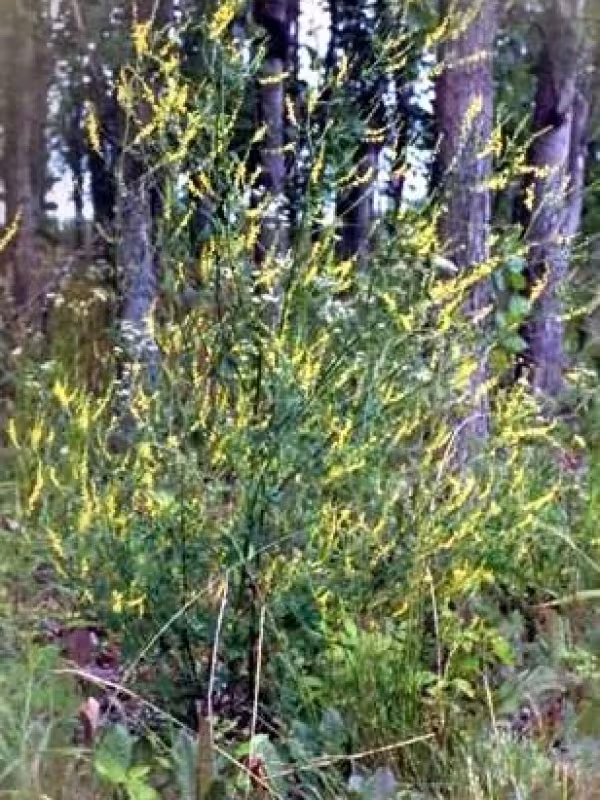
Hairy sweet clover (Melilotus hirsutus) is a hardy legume species characterized by its distinctive pubescence, which provides enhanced resilience in diverse environmental conditions. It is widely recognized for its agricultural value as both a forage crop and a soil builder.
Sowing should be carried out in early spring when the soil has reached sufficient warmth and moisture levels. Rapid establishment during the early growth phase is essential for outcompeting weed populations and ensuring a uniform stand.
Prior to sowing, seed scarification is highly recommended to break dormancy and ensure high germination rates. The depth of planting should be shallow, generally between 1.5 and 3 centimeters, depending on the soil structure.
The seeding rate is determined by the intended purpose of the field. Higher densities are preferred for green manure production, while lower rates support better branching and seed yield for propagation.
Post-seeding compaction using a roller is an essential practice to optimize soil-seed contact and facilitate capillary water movement, which is critical for consistent germination.
Growing requirements
This species is highly drought-tolerant and can thrive in saline, rocky, or nutrient-poor soils where other conventional crops fail. It effectively utilizes its deep root system to access water and stabilize the soil profile.
The crop prefers well-drained soils and is particularly sensitive to waterlogging. Excessive moisture in the root zone for prolonged periods will lead to rapid plant decline and stand thinning.
Climate adaptability is one of the key strengths of hairy sweet clover. It performs well in various temperate regions, demonstrating strong tolerance to heat stress and fluctuations in atmospheric humidity.
As a legume, it forms beneficial symbiotic associations with nitrogen-fixing bacteria, allowing it to improve soil nitrogen levels significantly. It thrives best in soils with neutral to slightly alkaline pH levels.
Optimal site selection should focus on sunny, open areas with minimal weed pressure. Providing adequate calcium levels in the soil profile further enhances the overall vigor and growth rate of the stand.
Main diseases and pests
The most common disease threats include fungal leaf spots, which thrive during periods of high humidity and poor airflow. Managing canopy density is a primary strategy for preventing the onset of these infections.
Insects like the sweet clover root curculio and other weevils can cause significant damage during the emergence phase. Monitoring for foliar feeding or root damage is essential during the early developmental stages.
Aphids represent a common pest that impacts the reproductive stages of the crop. Large infestations during flowering can significantly reduce the potential for seed yield and overall plant vitality.
Integrated pest management strategies should include crop rotation schedules that separate the clover from other legumes to reduce the risk of pathogen buildup and specific insect host cycles.
Proper field hygiene, including the removal of infected crop residues and effective weed control, serves as a foundation for maintaining a healthy and productive stand throughout the growing cycle.