
Melilotus suaveolens
Melilotus suaveolens Ledeb.
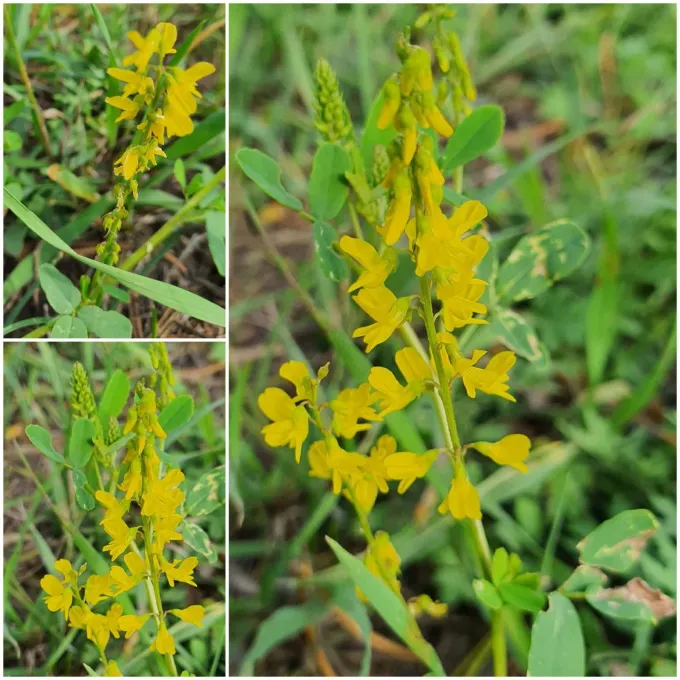
Description
Sowing dates
Melilotus suaveolens, commonly known as sweet clover, is a versatile legume known for its robust growth and soil-improving properties. The seeds feature a hard seed coat, necessitating scarification before planting to ensure uniform and rapid germination rates.
The optimal sowing time is early spring, once the soil has warmed up and is easy to work. Some regions also practice late autumn seeding, allowing the seeds to undergo natural stratification, which helps in breaking dormancy during the winter months.
Seeding rates typically range from 12 to 18 kilograms per hectare, depending on whether the primary goal is green manure production or high-density forage. Using a standard grain drill at a shallow depth of 1–2 cm is the most effective method for planting.
Proper seed-to-soil contact is essential for the success of the crop. Following the seeding process, farmers should use a cultipacker or a roller to firm the soil surface, which promotes moisture capillary action toward the seeds.
As a nitrogen-fixing plant, sweet clover does not require initial nitrogen fertilization. However, if the field has not hosted legumes for a long period, inoculating the seeds with specific rhizobia bacteria can significantly improve the crop's establishment.
Growing requirements
Sweet clover is highly prized for its exceptional adaptability to diverse environmental conditions. It excels in drought-prone areas and is notably tolerant to saline soils, making it an excellent choice for reclaiming marginal agricultural lands.
The crop thrives in full sun exposure. While it can tolerate partial shade, maximum biomass production and nectar secretion for honey production are achieved when the plants receive consistent, direct sunlight throughout the growing season.
Soil requirements are relatively flexible, though the plant prefers well-drained loamy or sandy soils. It is particularly effective at breaking up compacted soil layers, thanks to its deep and vigorous taproot system that penetrates dense soil horizons.
Temperature tolerance is a hallmark of this species, as it is capable of surviving harsh summer heat and cold winter frosts. This durability ensures consistent performance across various climate zones, from temperate to semi-arid regions.
Avoiding waterlogged conditions is critical for maintaining healthy plants. Poor drainage can lead to root rot and other fungal pathogens, which are the most common cause of crop failure in sweet clover fields.
Yield
When managed as a fodder crop, Melilotus suaveolens provides high yields of protein-rich biomass. Farmers can typically expect between 20 to 30 tons of fresh green matter per hectare, depending on local rainfall and soil fertility levels.
For hay production, the yield is substantial, provided the harvesting process is timed correctly. Quality hay yields range from 5 to 8 tons per hectare, offering a balanced nutritional profile for ruminant livestock.
Seed production is another profitable aspect of this crop. Under good management, seed yields can reach 600 to 1,000 kilograms per hectare, making it a reliable crop for seed multipliers and commercial farming operations.
As a green manure, the biological contribution is immense. The plant incorporates significant amounts of organic nitrogen into the soil, often equivalent to synthetic fertilizer applications, thereby reducing input costs for subsequent crops.
The honey yield is equally significant, as sweet clover is one of the most productive nectar sources. Beekeepers value this crop for its long flowering period, which provides a steady and high-quality flow of nectar for their hives.
Main diseases and pests
The crop is susceptible to a few common diseases, including powdery mildew and various leaf spot pathogens. These are usually manageable through proper spacing, which encourages air circulation and reduces leaf wetness in the canopy.
Insect pests, such as the clover leaf weevil and aphids, can cause localized damage. Integrated pest management practices, including monitoring and the use of economic threshold levels, help determine when control measures are necessary.
Effective weed control is most critical during the seedling establishment phase. Once the sweet clover is well-established, its rapid growth rate allows it to outcompete most common field weeds effectively.
Fungal infections in the root zone are typically triggered by excessive irrigation or poor drainage. Improving the hydrological management of the field is a much more effective preventive measure than the application of fungicides.
Regular scouting is encouraged to identify potential pest issues early. Biological control agents and crop rotation are preferred strategies for maintaining a healthy and productive field over multiple planting seasons.
Harvesting
The optimal harvest timing for forage is at the early bloom stage. Harvesting at this point ensures the highest nutritional quality, balancing protein content with the plant’s overall bulk and fiber characteristics.
Seed harvesting requires careful attention to prevent shattering losses. A two-stage process is recommended: windrowing the plants first, allowing them to dry in the field, followed by threshing once the moisture content has dropped to safe levels.
Storage of the harvested seed requires a dry, cool environment. To prevent deterioration and loss of viability, moisture content should be kept below 13% for long-term storage in silos or climate-controlled warehouses.
If the goal is soil improvement, the crop should be mowed and incorporated into the soil shortly after the onset of flowering. This ensures the maximum return of nutrients and nitrogen to the soil before the plant becomes too woody.
Post-harvest cleaning is essential for seed lots. Using standard grain cleaning equipment allows for the removal of chaff, debris, and weed seeds, ensuring a high-quality product ready for either market sale or future planting cycles.