
Evening primrose
Oenothera speciosa Nutt.
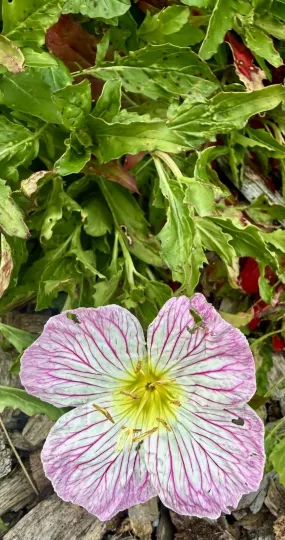
Description
Sowing dates
Sowing seeds of Oenothera speciosa is best performed in early spring once the threat of severe frost has passed. Seeds should be sown on the surface of well-drained soil, as they require light to germinate effectively.
Propagation through root division is highly recommended for commercial or garden use. This is best accomplished in early spring or autumn by carefully separating established rootstocks and transplanting them immediately.
When using seed, ensure the planting site is cleared of competing weeds, as the plant can be sensitive to early competition despite its later vigor.
The spacing between plants should be approximately 30–40 cm to allow for the plant's natural spreading behavior, which is driven by its extensive rhizomatous root system.
For container-grown nursery stock, a sterile, well-draining peat-perlite mixture is ideal for fostering healthy root development prior to field transplanting.
Growing requirements
Oenothera speciosa is a member of the Onagraceae family. It originates from the prairies of North America and thrives in full sun conditions, which are essential for blooming intensity.
The plant is highly adaptable to various soil types but requires excellent drainage. It performs exceptionally well in sandy, rocky, or loamy soils where moisture does not linger.
Climatically, this species is noted for its high drought tolerance once established. It thrives in regions with warm summers and does not require frequent supplemental irrigation.
Fertilization should be kept to a minimum. An excess of nitrogen typically leads to lush foliage growth at the expense of floral production and can make the plant "leggy."
Maintenance of the plant involves deadheading spent flowers, which prevents excessive self-seeding and encourages a secondary flush of blooms later in the season.
Main diseases and pests
Powdery mildew is the most common pathological threat to Oenothera species. It typically appears during periods of high humidity and poor airflow, often appearing as a white dusting on leaves.
Aphids are frequent pests that congregate on the tender tips of young shoots. Standard insecticidal soap applications are usually sufficient to manage minor infestations effectively.
Root rot occurs primarily due to poor soil drainage. If the soil remains saturated for extended periods, the root system loses its ability to uptake nutrients, leading to yellowing and dieback.
Certain species of flea beetles can create small holes in the foliage during the spring. Monitoring is essential to prevent significant aesthetic damage during the early growth phase.
Sanitation remains the best defense against systemic diseases. Removing and destroying infected plant debris during the late autumn cleanup cycle significantly reduces inoculum levels for the following year.