
Narrowleaf evening primrose
Oenothera fruticosa L.
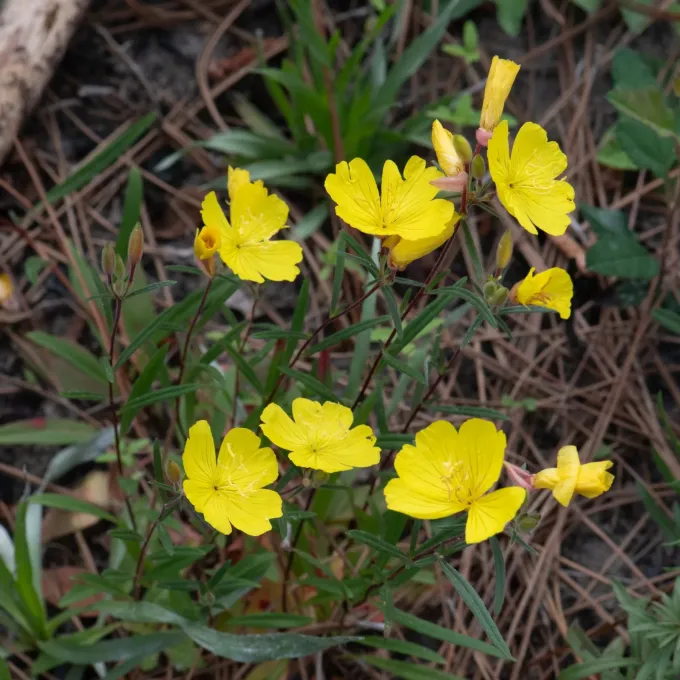
Description
Sowing dates
The sowing of Oenothera fruticosa seeds is typically performed in early spring, once soil temperatures remain consistently above 15 degrees Celsius for stable germination.
For commercial production, starting seedlings in greenhouse conditions during late winter allows for more uniform establishment when transplanted to the field.
Since the seeds are light-dependent, they should be surface-sown or covered with only a very thin layer of soil to ensure optimal exposure to sunlight.
Direct seeding is also viable, particularly in late autumn, allowing the seeds to undergo natural winter stratification, which often results in more vigorous spring growth.
Maintaining proper spacing, approximately 30 to 40 centimeters apart, is essential to prevent overcrowding and to promote healthy air circulation around the developing canopy.
Growing requirements
This species belongs to the Onagraceae family and is highly valued for its adaptability to various environmental conditions and its resilience in open field systems.
The crop thrives in well-drained soils, ranging from sandy loams to light clays, provided that there is no risk of waterlogging, which the plant does not tolerate.
Full sun exposure is a primary requirement for the plant to achieve its potential, as shaded areas result in leggy stems and poor flower production.
Although it exhibits good drought tolerance once established, consistent soil moisture during the initial growth phase significantly enhances crop vigor and biomass.
Strategic fertilization with balanced nitrogen-phosphorus-potassium formulations helps maintain soil fertility and supports the long flowering cycles typical of this genus.
Main diseases and pests
Common pathological threats include fungal infections such as powdery mildew, which thrive in humid environments and can severely impact leaf health.
Insect pests, including aphids and spider mites, are known to target the foliage and reproductive structures, potentially causing stunted growth and reduced crop quality.
Management of these pests relies on integrated pest management practices, including proper weed control and the use of targeted biological or chemical agents when necessary.
Effective prevention of root rot requires strict drainage management and avoiding the accumulation of standing water around the root collar during the dormant season.
Regular scouting and early intervention are essential to maintain the productivity of the crop and to ensure the longevity of the plant stands.