
Sinuous-leaved evening primrose
Oenothera sinuosa W. L. Wagner & Hoch
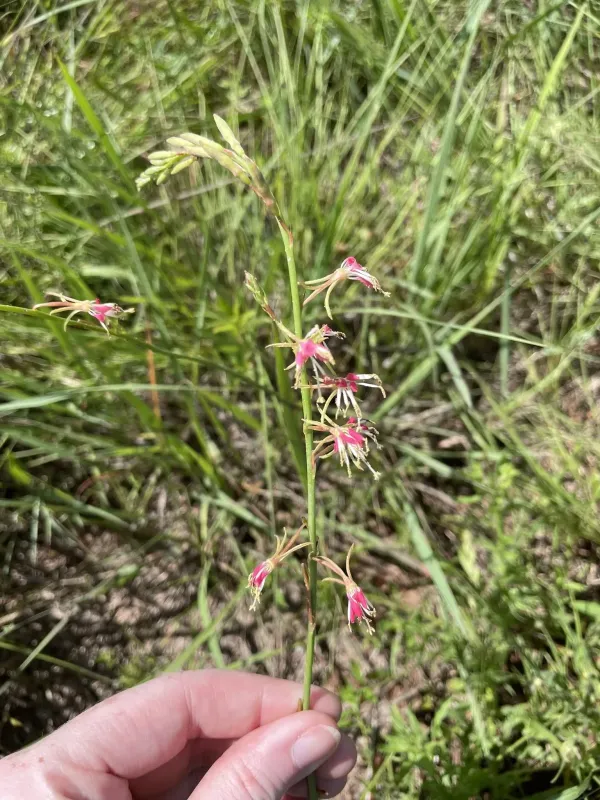
Description
Sowing dates
The sinuous-leaved evening primrose (Oenothera sinuosa), a member of the Onagraceae family, is a herbaceous plant that thrives in specific environmental conditions. Sowing is typically carried out in early spring when the soil temperature consistently reaches 10–12°C to ensure successful germination.
Direct seeding in the field requires a well-prepared seedbed that is free of weeds. Since the seeds are extremely small, they should be sown at a shallow depth of no more than 0.5 cm, as they require light to stimulate the germination process effectively.
For optimal plant density, row spacing should be maintained between 30 and 45 cm. This configuration facilitates better weed control and allows for adequate airflow between plants, which is crucial for preventing humidity-related diseases.
If sowing is conducted via seedlings, transplanting should occur once the risk of severe frost has passed. Hardening off the seedlings before transplanting significantly improves their survival rate in open field conditions.
Ensuring moisture levels during the first weeks after sowing is critical for uniform stand establishment. If the soil surface dries out too quickly, irrigation systems should be employed to support the initial growth phase.
Growing requirements
This species prefers well-drained, sandy or light loamy soils. It possesses a high degree of adaptability but performs poorly in waterlogged soils where root rot can quickly become a limiting factor for plant health and yield.
As a light-demanding crop, Oenothera sinuosa requires full sun exposure to thrive. Shade-grown plants typically display etiolated stems and significantly reduced biomass production, making open-field cultivation the preferred choice.
Regarding climate, the plant is moderately drought-tolerant once established due to its deep root system. It thrives in temperate regions with average temperatures ranging between 18°C and 25°C during the peak growing season.
Fertilization should focus on balanced NPK ratios, with a particular emphasis on phosphorus and potassium to strengthen roots and improve seed maturation. Over-application of nitrogen should be avoided to prevent excessive vegetative growth at the expense of yield.
- Full solar exposure.
- Light, well-aerated soil structure.
- Moderate soil acidity (pH 6.0–7.5).
- Effective drainage to prevent water stagnation.
Yield
The agricultural yield of this crop depends heavily on the harvest timing. For biomass and herbal production, harvesting during the peak flowering stage ensures the highest concentration of beneficial phytochemicals and the best quality raw material.
Seed production yields are highly dependent on the presence of pollinators during the flowering window. Well-managed fields can produce a substantial volume of seeds, often reaching 300 to 500 kilograms per hectare depending on site fertility.
Biomass production can be enhanced by maintaining optimal plant density and ensuring weed-free conditions throughout the first month of development. Early competition from weeds is the primary cause of yield loss in newly established fields.
The plant exhibits vigorous regrowth if harvested properly, potentially allowing for multiple cuts in favorable climates. However, care must be taken not to deplete the plant's carbohydrate reserves before the end of the season.
Consistent irrigation during prolonged dry spells can lead to a 20–30% increase in total harvestable biomass compared to non-irrigated crops, especially in light, sandy soil profiles.
Main diseases and pests
Powdery mildew is the most common fungal disease affecting this crop, particularly in stagnant, high-humidity environments. Improving canopy ventilation through correct spacing is the most effective cultural control method.
Leaf-feeding insects and aphids are the primary pests. Monitoring the undersides of leaves during the early vegetative stage is essential for identifying infestations before they reach economic injury levels.
Root pathogens can cause significant losses in low-lying areas or heavy soils after intense rainfall. Implementing a crop rotation cycle of at least 3–4 years is recommended to break the life cycle of soil-borne diseases.
Slugs and snails can severely damage young seedlings in early spring. Protecting the seedlings with physical barriers or targeted molluscicide application may be necessary in vulnerable sites.
Integrated Pest Management (IPM) strategies, including the use of predatory insects and regular field scouting, are highly recommended to maintain plant health and reduce the reliance on chemical pesticides.