
Oenothera xenogaura
Oenothera xenogaura W. L. Wagner & Hoch
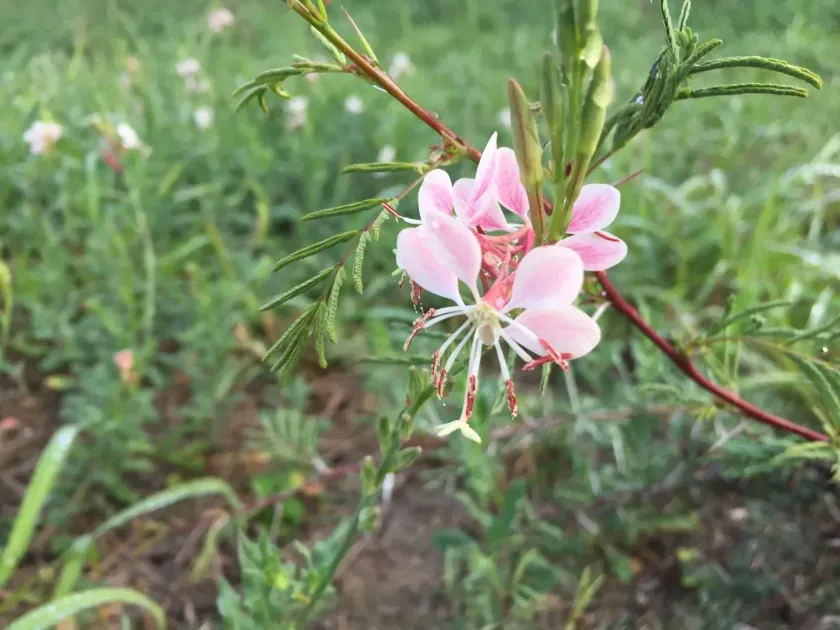
Description
Sowing dates
The sowing of Oenothera xenogaura typically begins in early spring once the soil temperature is consistently above 10 degrees Celsius.
Direct seeding in open ground is recommended for late April or early May, ensuring the site is free from the risk of late spring frost events.
For earlier flowering, seeds can be started indoors or in greenhouses about 6-8 weeks before the last predicted frost date in the specific planting zone.
The seeds are small and should be sown on the surface of the growing medium with only light pressure to ensure optimal contact for germination.
Space the plants adequately, maintaining an interval of approximately 30-45 cm, which prevents competition and encourages healthy, vigorous development.
Growing requirements
As a member of the Onagraceae family, this species thrives in well-drained, sandy loam soils that prevent moisture accumulation around the taproot.
It is a heliophilic plant, meaning it requires full sun exposure for at least six to eight hours per day to achieve its maximum potential and flowering density.
While somewhat drought-tolerant once established, Oenothera xenogaura responds positively to consistent irrigation during dry spells to maintain foliage turgor.
The native range of the species in North America dictates a preference for temperate conditions with good air circulation to mitigate the risks of fungal infections.
Soil nutrient requirements are generally low, but a balanced fertilizer application during the onset of the growing season can improve total biomass production.
Main diseases and pests
The primary concern for growers is powdery mildew, which often appears in stagnant, humid environments with poor airflow between plants.
Root rot is a major threat in soils with poor drainage, necessitating proper soil preparation before planting the crop in the field.
Aphids represent the most significant pest challenge, as they can quickly colonize the succulent terminal buds and sap the plant's vitality.
Management practices should prioritize integrated pest management (IPM) techniques, including the use of beneficial insects and selective application of treatments.
Regular monitoring for leaf spots and wilting is essential to detect outbreaks early and prevent the spread of pathogens throughout the planting area.