
Evening primrose
Oenothera capillifolia Scheele
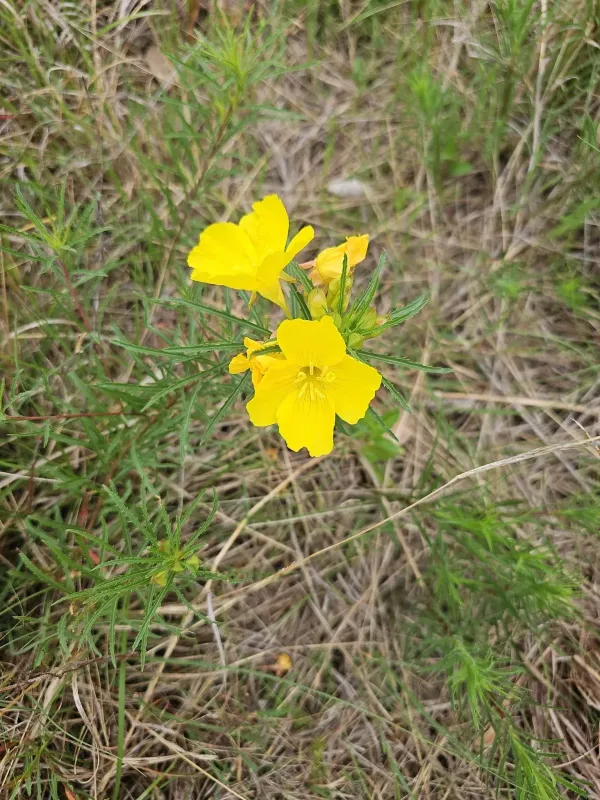
Description
Sowing dates
Oenothera capillifolia, known as a type of evening primrose, is a member of the Onagraceae family. This herbaceous crop is primarily grown for its seeds, which are a rich source of essential fatty acids.
The optimal sowing time occurs in early spring once the soil temperature consistently reaches 12-15 degrees Celsius. Seeds are very small and must be sown at a shallow depth to ensure proper germination.
Row spacing is typically set between 30 and 50 centimeters. This density allows for proper crop development and provides sufficient space for mechanical weeding between the rows during the growing season.
Germination usually takes about two weeks depending on soil moisture and ambient temperature. Early stage management focuses on maintaining a clean field environment free of competing weeds.
Successful establishment relies on fine, well-prepared soil texture. A seed rate is calculated based on the purity and viability of the lot to ensure a uniform field emergence.
Growing requirements
Evening primrose thrives in well-drained, sandy loam soils with moderate fertility. It is highly sensitive to waterlogging, so fields with poor drainage are not suitable for cultivation.
The plant requires full sun exposure for optimal growth and high oil content in the seeds. It is relatively drought-tolerant once established but needs adequate water during the flowering phase.
Neutral soil pH levels, typically ranging from 6.0 to 7.5, are ideal. If necessary, soil amendments can be applied prior to planting to optimize the nutrient profile for the crop.
Nutrient management should focus on phosphorus and potassium to support seed formation. Over-application of nitrogen should be avoided to prevent excessive vegetative growth at the expense of seed yield.
Cultural practices include regular inter-row cultivation to maintain soil aeration and control spontaneous vegetation, especially during the critical first month after emergence.
Yield
The primary economic output of Oenothera capillifolia is the oil extracted from its seeds. This oil is highly valued in the pharmaceutical and cosmetic industries for its GLA content.
Yield potential depends heavily on climate conditions and effective pollination. The plants exhibit indeterminate growth, meaning they flower and produce seeds over a prolonged period.
With modern agronomic practices, farmers can achieve consistent production. High-quality yield is determined by the oil concentration and the purity of the harvested seed lots.
As a niche crop, the economic viability of evening primrose is supported by a stable market demand for natural oils and specialized ingredients in the health supplement sector.
Field management, including timely harvest and proper post-harvest handling, is crucial to preserving the quality and stability of the extracted oil products.
Main diseases and pests
The crop is susceptible to fungal infections, particularly powdery mildew, during periods of high humidity or poor air circulation. Proper spacing is a key preventative measure.
Aphids and various leaf-feeding insects are common pests. Monitoring for pest pressure is essential to determine if intervention with insecticides is required to avoid economic damage.
Root rot caused by poor soil drainage can significantly reduce plant vigor and yield. Ensuring well-drained fields and practicing long-term crop rotation are effective mitigation strategies.
Weed competition is the most significant threat to early crop success. Chemical weed control, if used, must be carefully selected to avoid phytotoxicity to the evening primrose plants.
Integrated pest management (IPM) is highly recommended for this crop to balance effective protection with the requirements for producing high-quality, residue-free seeds.
Harvesting
Harvesting Oenothera capillifolia is challenging due to the indeterminate nature of seed maturity. Producers must monitor the field to harvest when the majority of pods are mature.
Direct combining is common, but it requires precise settings on the harvester to minimize seed loss and damage. Pods should be brown and dry at the time of the operation.
Post-harvest drying is necessary to bring moisture levels down to safe storage limits, typically below 10 percent, to prevent rancidity and ensure long-term shelf life of the seeds.
Cleaned seeds should be stored in a cool, dry place protected from light and moisture. Proper ventilation within storage bins is essential to maintain seed quality over time.
Efficiency in harvesting is critical, as delays can lead to shattering and significant field losses. Timely logistics from the field to the drying facility are essential for optimal results.