
Evening primrose
Oenothera biennis L.
Description
Sowing dates
Evening primrose (Oenothera biennis) is a member of the Onagraceae family. It is typically sown in autumn or early spring, as soon as the soil is workable and has reached a temperature suitable for germination.
The seeds are extremely small and require light for germination; therefore, they should not be buried deep. A planting depth of 0.5 to 1 cm is optimal for ensuring good seedling emergence.
For industrial cultivation, a sowing rate of 2–3 kg per hectare is used, with rows spaced 45–60 cm apart. Firming the soil after sowing helps improve moisture contact and encourages uniform germination.
During the first year, the plant develops a low-growing leaf rosette. It is critical to manage weeds during this stage, as the young plant is slow-growing and highly sensitive to competition.
Evening primrose has a tendency to self-seed. In professional fields, farmers must carefully manage the plant density in the second year to prevent overcrowding and ensure maximum seed production.
Growing requirements
This crop is highly photophilous and requires full sun exposure to thrive. Any shade during the growing season will significantly reduce plant vigor and seed oil content.
Evening primrose prefers light, sandy or loamy soils with excellent drainage. It performs poorly in heavy, clay-rich soils that retain excess moisture and lead to root disease.
While the plant is known for its deep taproot and drought tolerance, consistent moisture is vital during the flowering and seed-filling stages to achieve a high-quality yield.
The ideal soil pH range is 6.0 to 7.5. On highly acidic soils, plant growth is significantly stunted, so liming is recommended as a pre-planting soil improvement measure.
Balanced fertilization is key to production. Excessive nitrogen can lead to lush vegetative growth but drastically reduces the oil quality and seed yield, so phosphorus and potassium are preferred.
Yield
The yield of evening primrose typically ranges between 500 to 1,000 kg per hectare, depending heavily on soil fertility, moisture availability, and the success of the pollination season.
The economic value of the crop is derived from its seeds, which contain 20–25% oil. This oil is particularly valued for its high concentration of gamma-linolenic acid (GLA).
Maximum yields are achieved with a density of roughly 80,000 to 100,000 productive plants per hectare. Proper row spacing allows for better aeration, which helps reduce the risk of disease.
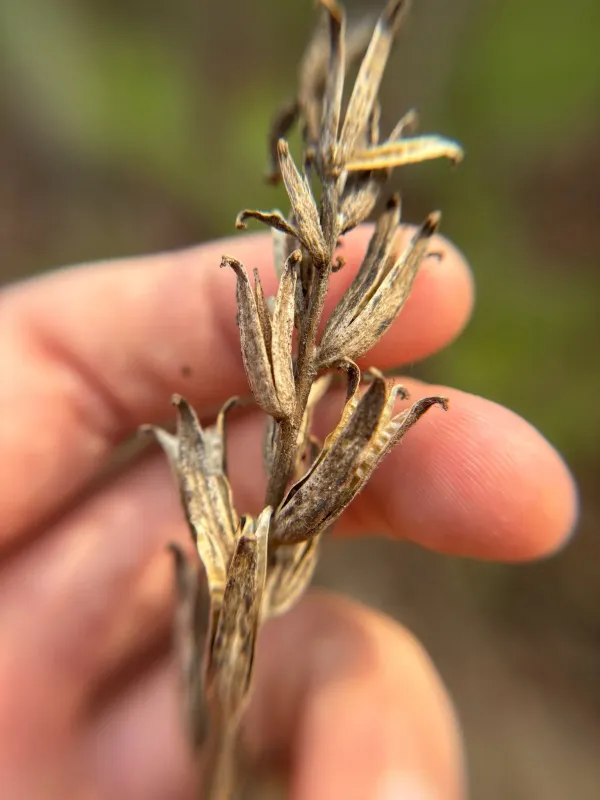
The quality of the final oil depends on the timing of the harvest. Premature harvest results in immature seeds with lower oil content, while delayed harvest leads to significant seed loss due to pod shattering.
Post-harvest processing is essential for yield stability. Cleaning and drying seeds to a moisture content of 9–10% prevents degradation and maintains the chemical stability of the valuable fatty acids.
Main diseases and pests
Powdery mildew is the most common fungal disease, especially in humid conditions. It appears as a white, dusty coating on the leaves and can significantly weaken the plant's ability to photosynthesize.
Pests such as leaf-eating caterpillars and aphids can cause localized damage to the foliage and buds. Integrated pest management strategies, including monitoring and biological controls, are highly recommended.
Root rot can occur in areas with poor drainage or prolonged waterlogging. Ensuring proper soil preparation and avoiding planting in low-lying areas are the best preventative measures.
Crop rotation is crucial to prevent the build-up of soil-borne pathogens. A gap of at least 3 to 4 years between evening primrose crops is standard practice in agricultural operations.
Regular inspection of the fields during the early stages of the second year is necessary to identify and treat any early infestations before they spread across the entire plot.
Harvesting
Harvesting evening primrose is a delicate operation because the pods mature unevenly along the stem. The most effective approach is a two-stage harvest process to minimize yield loss.
Mowing the plants into swaths is done when the lower pods have turned brown and the seeds inside are fully mature and dark in color. The swaths are left to dry in the field for several days.
After the material has dried in the swaths, it is threshed using a combine harvester. Adjusting the threshing mechanism is critical to prevent crushing the delicate, small seeds.
Immediately after threshing, the seed lot must be cleaned to remove chaff, pod fragments, and other debris that could introduce moisture and promote spoilage.
Storage must be in a cool, dry, and well-ventilated facility. Because the oil in the seeds is prone to oxidation, maintaining low humidity and stable temperatures is essential for product shelf-life.