
Champinii-Instabilis grape
Vitis x champinii Planch. x Vitis x instabilis Ardenghi et al.
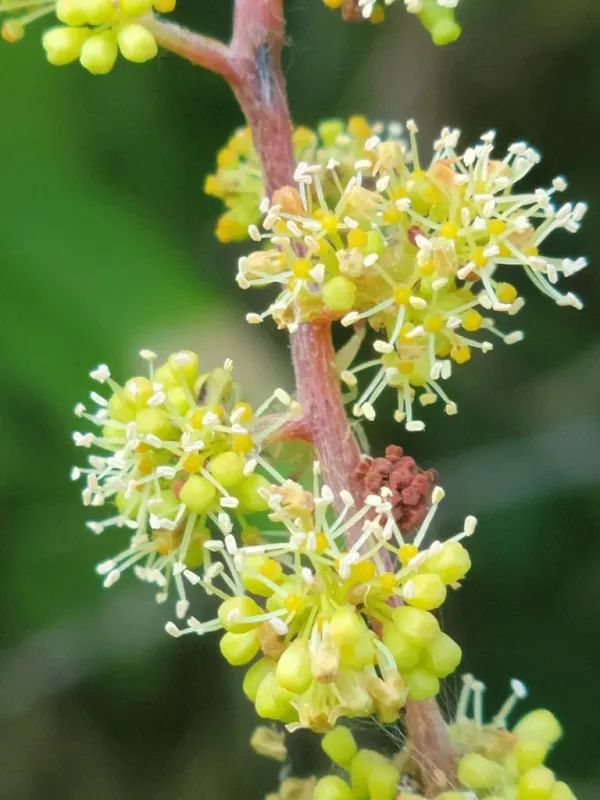
Description
Growing requirements
The hybrid grape variety Vitis x champinii Planch. x Vitis x instabilis belongs to the Vitaceae family. This complex hybrid, which integrates genetic material from American wild species, was bred specifically to serve as a robust rootstock capable of thriving in challenging environmental conditions.
The culture exhibits exceptional tolerance to unfavorable soil conditions, including high lime content, which often proves detrimental to standard European vine varieties. The plant is characterized by a powerful root system capable of penetrating deep soil horizons for optimal water and nutrient uptake.
Successful cultivation of this hybrid requires well-drained, aerated soils, as stagnant moisture can negatively impact root health. The plant prefers sunny, sheltered locations, which are typical for regions with warm and moderately arid climates, promoting healthy development.
Botanically, this plant displays vigorous shoot growth and unique leaf morphology inherited from its wild American ancestors. The leaves are typically thick and leathery, providing natural protection against intense solar radiation during hot summer months.
Agricultural management includes regular pruning to control excessive vegetative growth. In commercial practice, this hybrid is predominantly utilized as a rootstock, significantly enhancing the overall hardiness and survival rate of scions grafted onto it.
Main diseases and pests
A key biological advantage of this hybrid is its high resistance to phylloxera, a devastating vineyard pest that attacks the roots of Vitis vinifera varieties. The genetic architecture of this hybrid provides a natural defense mechanism against the root form of the insect.
Despite its high vitality, the plant can still be susceptible to powdery mildew (Oidium) and downy mildew (Plasmopara viticola) under poor management conditions. Proactive treatment with fungicides during humid periods is essential for maintaining plant health.
To prevent disease outbreaks, it is crucial to ensure proper air circulation within the vine canopy through timely trellis management and pruning. Maintaining appropriate vine density significantly reduces the prevalence of fungal pathogens.
Pests such as spider mites may pose a threat during prolonged droughts. Early monitoring of pest populations allows for targeted intervention, minimizing the need for heavy chemical usage and preserving the ecological balance of the vineyard.
Overall, this hybrid is considered highly resilient, requiring significantly less chemical input than traditional table grapes, making it an excellent choice for sustainable and environmentally friendly viticultural operations.