
Munson grape
Vitis rotundifolia Michx. var. munsoniana (J. H. Simpson ex Planch.) M. O. Moore
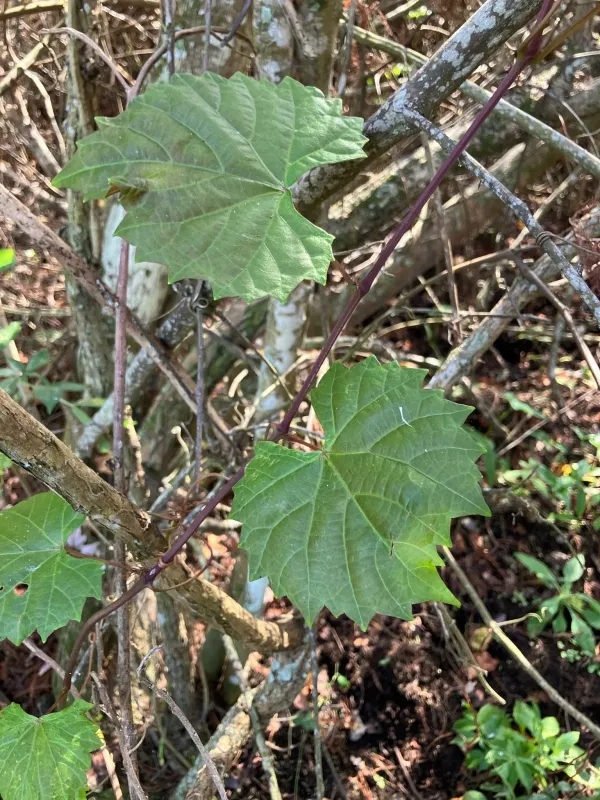
Description
Sowing dates
The Munson grape (Vitis rotundifolia var. munsoniana) is a distinct botanical variety within the Vitaceae family. Unlike common bunch grapes, it is often propagated vegetatively, utilizing cuttings or layers to ensure genetic consistency.
The optimal planting time is early spring, once the danger of frost has passed and the soil has sufficiently warmed to promote rapid root development in the new environment.
In regions with milder climates, autumn planting is also a viable option. It allows the plant to establish its root system during the dormant period, ensuring it is ready for active growth when spring arrives.
Proper spacing is crucial when establishing a vineyard of this variety. As a vigorous woody vine, it requires adequate room to spread, which also helps in improving airflow and reducing the humidity levels around the foliage.
When selecting a planting site, growers should prepare the soil by incorporating organic matter. This helps in achieving the required drainage levels, as the species is highly sensitive to waterlogged conditions.
Growing requirements
This variety is inherently warm-climate oriented. It flourishes in subtropical conditions, requiring long, sunny growing seasons to successfully reach fruit maturity and accumulate necessary sugars.
Soil requirements focus on excellent drainage and a slightly acidic to neutral pH. Sandy or loamy soils are ideal, as they allow for deep root penetration without the risk of suffocation from excess soil moisture.
While the Munson grape shows good drought tolerance once established, consistent moisture during the fruit-set phase is essential for producing high-quality berries with good juice yields.
Providing robust trellis structures is a standard requirement for this vine. Without proper support, the vines may become tangled on the ground, increasing the risk of disease and making harvest difficult.
Full sun exposure is a non-negotiable factor. Adequate light penetration is necessary to reduce the incidence of fungal pathogens that thrive in the deep shade of thick, unpruned canopies.
Yield
The yields of this grape variety are modest compared to modern commercial table grapes. However, the unique flavor profile and aromatic qualities make it highly desirable for specific niche markets.
Bearing typically begins 3 to 4 years after the initial planting. Productivity is strongly tied to the pruning method used, as managing the vine's energy is critical to ensuring a consistent harvest.
The primary use of Munson grapes is in the production of high-quality juices, jams, and artisanal wines. Their small size makes them less suitable as fresh market table fruit but excellent for processing.
Annual pruning, performed during the dormant season, is the most important agronomic practice to balance vegetative growth and fruit production, thereby preventing the plant from overextending itself.
Given the right conditions and consistent management, the plant provides a reliable crop over many years, proving to be a stable addition to specialized agricultural settings.
Main diseases and pests
Fungal diseases, such as powdery mildew and downy mildew, are the primary concerns for growers. These infections spread rapidly in humid, poorly ventilated environments, impacting both foliage and yield.
Several insect pests, including the grape leafhopper and various mites, can affect the plant's photosynthetic capacity. Monitoring the vineyard regularly is necessary to intervene before infestations become critical.
Nematodes in the soil can pose a significant challenge, especially in sandy soils. Soil testing and the selection of clean, healthy rootstock are vital preventative measures against these microscopic pests.
Bird damage is a common issue during the ripening season. Using netting is often the most effective method for protecting the crop, especially in smaller or orchard-based agricultural setups.
Good sanitation practices, such as removing infected vine debris during pruning, are essential to break the disease cycle and keep the vineyard healthy throughout the growing season.
Harvesting
Harvesting is determined by the color and aroma of the berries, as they do not always ripen uniformly across the cluster. Selective picking is often necessary to maximize the quality of the harvested fruit.
Early morning harvests are recommended to take advantage of cooler temperatures. This practice helps in maintaining the firmness of the berries and prevents excessive moisture loss after picking.
Care must be taken to minimize mechanical damage to the skins during harvest, as broken berries can lead to rapid fermentation or spoilage if they are not processed immediately after being picked.
The use of sharp, disinfected pruning tools ensures clean cuts and reduces the risk of spreading pathogens from one vine to another during the harvesting process.
Post-harvest handling should be swift, moving the produce to cool storage or processing facilities as quickly as possible to ensure the retention of flavors and nutritional components.