
Riparia x Rupestris x Cinerea Grapevine
Vitis riparia Michx. x Vitis rupestris Scheele x Vitis cinerea Engelm.
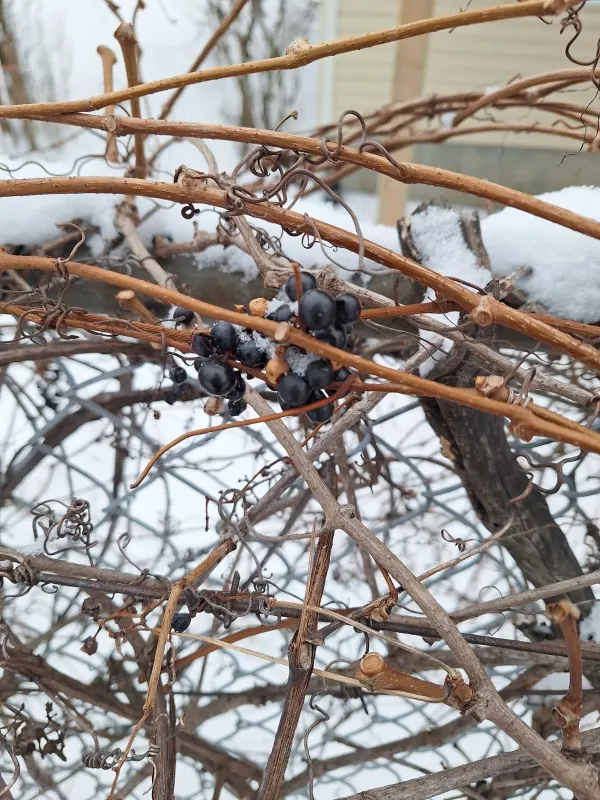
Description
Growing requirements
Riparia x Rupestris x Cinerea is a complex interspecific hybrid belonging to the Vitaceae family. This grapevine is primarily cultivated as a rootstock, specifically bred to combine the favorable characteristics of three native North American vine species for commercial viticulture applications.
The hybrid is particularly valued for its tolerance to calcareous soils. The inclusion of Vitis cinerea genetics provides a significant advantage in reducing the risk of lime-induced chlorosis, making it an essential selection for vineyards established on high-carbonate substrates.
It possesses a vigorous and deep-reaching root system, which ensures optimal nutrient and water uptake for the scion. The plant demonstrates high graft compatibility with a wide range of Vitis vinifera cultivars, promoting strong and healthy vineyard establishment.
The climate requirements for this rootstock are flexible, as it integrates the drought resistance typical of Vitis rupestris. This enables the grapevine to maintain metabolic activity and vine health even during periods of limited water availability.
Cultivation practices require careful canopy management and pruning to ensure the production of high-quality propagation material. Well-drained soil is preferred to prevent waterlogging, which could otherwise inhibit the development of the primary root structure.
Main diseases and pests
The primary agricultural utility of this grapevine is its high resistance to the phylloxera aphid (Daktulosphaira vitifoliae). Its roots are essentially immune to the feeding activity of this pest, which protects the susceptible Vitis vinifera scion from total vine collapse.
The plant exhibits moderate resistance to common fungal pathogens, including downy mildew. While leaf tissue may show symptoms in high-humidity conditions, the overall robust nature of the hybrid generally prevents significant impact on the plant's structural integrity or health.
The hybrid is considered to have a satisfactory level of tolerance against soil-borne nematodes. This characteristic makes it suitable for replanting in sites that may have experienced previous issues with soil-dwelling pests that often hinder the growth of conventional grapevines.
Vulnerability to bacterial blight or crown gall is considered low, provided that strict nursery hygiene protocols are followed. Maintaining the vine's health involves preventing unnecessary wounds on the roots or trunk during field operations to avoid entry points for pathogens.
Monitoring the vineyard for common pests and diseases remains a standard practice. Despite its natural defenses, appropriate field management ensures the continued health of the rootstock, resulting in reliable grafting material for the viticulture industry.