
Riverbank grape hybrid
Vitis riparia Michx. x Vitis cinerea Engelm.
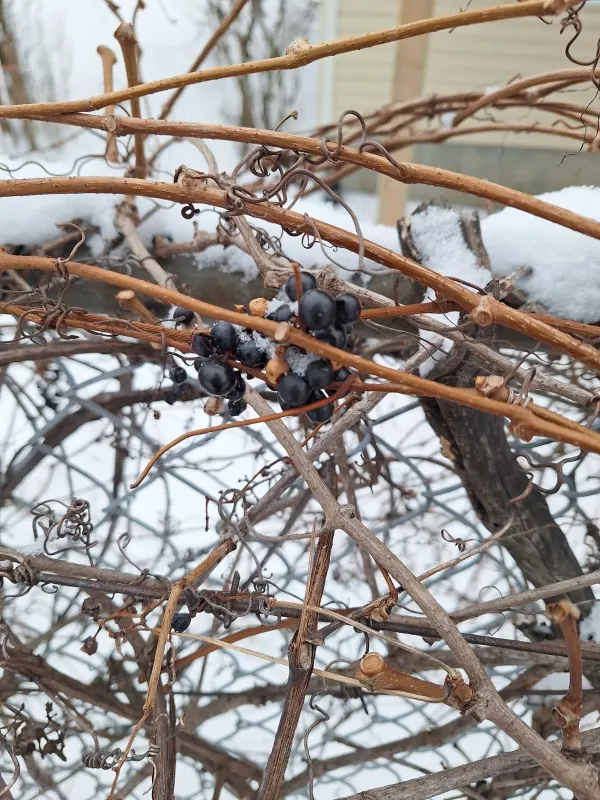
Description
Growing requirements
The riverbank grape hybrid (Vitis riparia Michx. x Vitis cinerea Engelm.) is an interspecific cross belonging to the Vitaceae family. This vigorous woody vine combines the cold-hardiness inherited from Vitis riparia with the resilient soil-adaptation traits characteristic of Vitis cinerea.
The plant is distinguished by an exceptionally strong root system capable of penetrating deep soil layers to maintain hydration during dry spells. It thrives in well-drained, fertile loamy soils but shows remarkable adaptability to various pH levels and soil types, making it a highly versatile genetic resource.
The hybrid requires open, sun-exposed sites to ensure proper wood maturation and physiological development. Its extreme cold tolerance makes it a preferred choice for viticulture in harsh climates where typical cultivated varieties struggle to survive winter dormancy.
Agronomic practices focus on rigorous pruning to manage the plant's aggressive vegetative growth. Utilizing trellis systems is essential to maintain proper airflow and sunlight distribution, which helps prevent canopy congestion and improves overall plant vigor.
The primary agricultural utility of this hybrid lies in its use as a premium rootstock. Due to its resistance to phylloxera and other soil-borne stressors, it serves as a robust base for grafting commercial grape cultivars, significantly enhancing their longevity and productivity in various environments.
Main diseases and pests
While the hybrid is naturally robust, it remains susceptible to common fungal pathogens such as downy mildew and powdery mildew if environmental conditions promote high humidity and poor aeration. Routine vineyard monitoring is essential for maintaining health.
Pests including leafhoppers and spider mites can occasionally affect the foliage. A balanced integrated pest management strategy, including both preventative cultural practices and targeted biological interventions, effectively mitigates these risks to ensure consistent plant growth.