
Vitis riparia x Vitis berlandieri x Vitis rupestris
Vitis riparia Michx. x Vitis berlandieri Planch. x Vitis rupestris Scheele
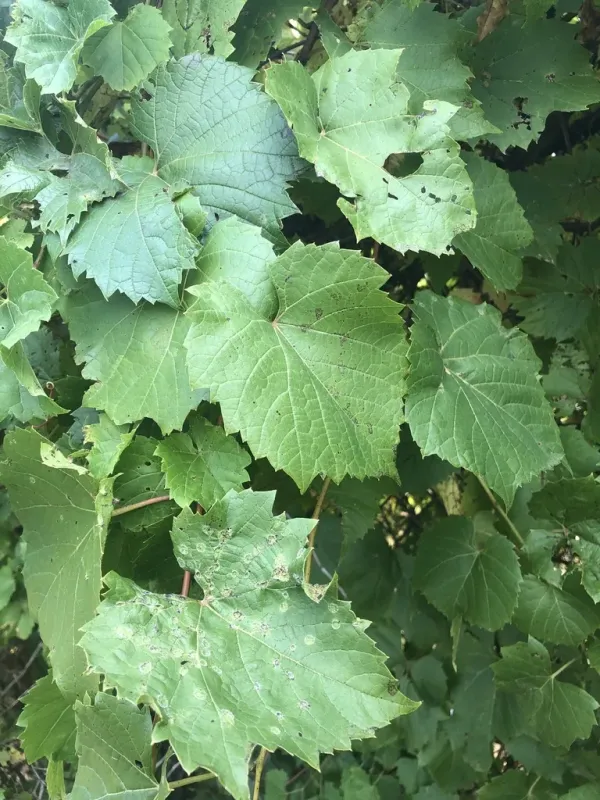
Description
Growing requirements
This hybrid is a complex multi-species cross between Vitis riparia, Vitis berlandieri, and Vitis rupestris. It is widely recognized in viticulture as a highly effective rootstock designed to improve the performance of European grapevine varieties.
Belonging to the Vitaceae family, this hybrid exhibits strong physiological vigor. Its botanical structure is adapted for efficient nutrient uptake and excellent compatibility with a wide range of commercial scion varieties.
One of the primary agronomic advantages of this rootstock is its superior tolerance to active lime in soils. Inherited from Vitis berlandieri, this trait allows the vine to thrive in calcareous soils where iron deficiency typically limits growth.
The climate requirements for this hybrid include adequate heat accumulation for proper wood maturation. It performs well in temperate zones and shows significant resilience to cold winters, ensuring stability in the vineyard.
Agrotechnical management focuses on optimal grafting techniques. The hybrid provides a high union success rate, making it a preferred choice for nurseries aiming to produce high-quality, disease-resistant plant material.
Main diseases and pests
The core purpose of this rootstock is to provide immunity to phylloxera, the root-feeding insect that devastated European viticulture. Its ability to resist these pests is the cornerstone of its commercial value.
While highly resistant to soil-borne pests, the foliage may be susceptible to downy mildew (Plasmopara viticola) under humid conditions. Regular monitoring and preventative fungicide applications are necessary to ensure plant health.
Other threats include potential infections from viral diseases. Therefore, the use of certified virus-free wood for grafting is essential to prevent the spread of systemic infections throughout the vineyard.
Pests such as mites and leafhoppers can occasionally affect growth. Integrated pest management (IPM) practices are recommended to maintain the vigor and health of the rootstock mother vines.
Drainage management is also vital; although the hybrid is robust, stagnant water in the root zone can lead to physiological stress and potential root diseases, requiring careful site selection and soil preparation.