
Birch-leaf grape
Vitis betulifolia Diels & Gilg
Description
Growing requirements
Birch-leaf grape (Vitis betulifolia) is a perennial climbing vine belonging to the Vitaceae family. Native to China, this species is naturally found in mountainous forest regions, where it thrives in diverse ecological niches.
The plant requires fertile, well-drained soil to achieve optimal growth. It is quite adaptable, though it performs best when planted in areas that offer good exposure to sunlight or partial shade, depending on the intensity of the summer heat.
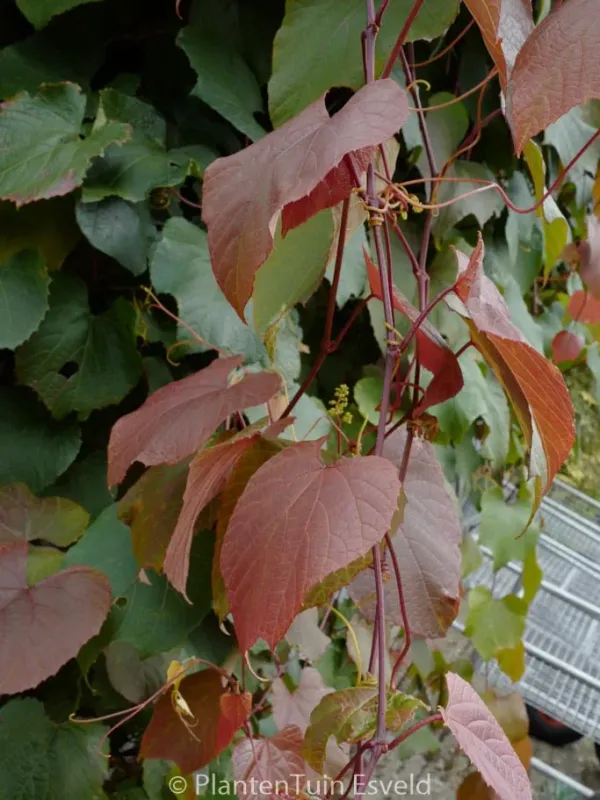
Botanically, this species is distinct for its leaves, which bear a striking resemblance to birch foliage, giving the vine an elegant and textured appearance. Its stems are vigorous, utilizing tendrils to climb and cover vertical structures efficiently.
Climate requirements include protection from harsh, drying winds, especially during the establishment phase. While relatively cold-hardy, the plant benefits from consistent moisture levels to sustain its rapid growth cycle during the peak of summer.
In terms of usage, the birch-leaf grape is primarily valued in ornamental horticulture. It is frequently employed to cover trellises, arbors, and walls, providing a lush green aesthetic and a unique texture that differs from common grape varieties.
Main diseases and pests
Like many species within the Vitis genus, this vine can be susceptible to fungal issues such as downy and powdery mildew. Proper air circulation is the most effective cultural method to prevent these common ailments.
Pests that may impact the health of the vine include spider mites and various leaf-feeding insects. These pests often appear during dry spells and can significantly affect the visual quality of the foliage.
Management strategies involve keeping the canopy thinned to allow wind penetration and light exposure, which reduces the moisture trapped near the stems. This is crucial for maintaining overall plant vigor.
If severe infestations or infections occur, targeted horticultural treatments may be necessary. It is important to monitor the plant closely during the growing season for early signs of stress or damage.
Consistent pruning practices are recommended, not only for shape and control but also to remove any diseased or dead wood that could harbor pests or fungi throughout the dormant winter months.