
Vitis berlandieri x Vitis riparia
Vitis berlandieri Planch. x Vitis riparia Michx.
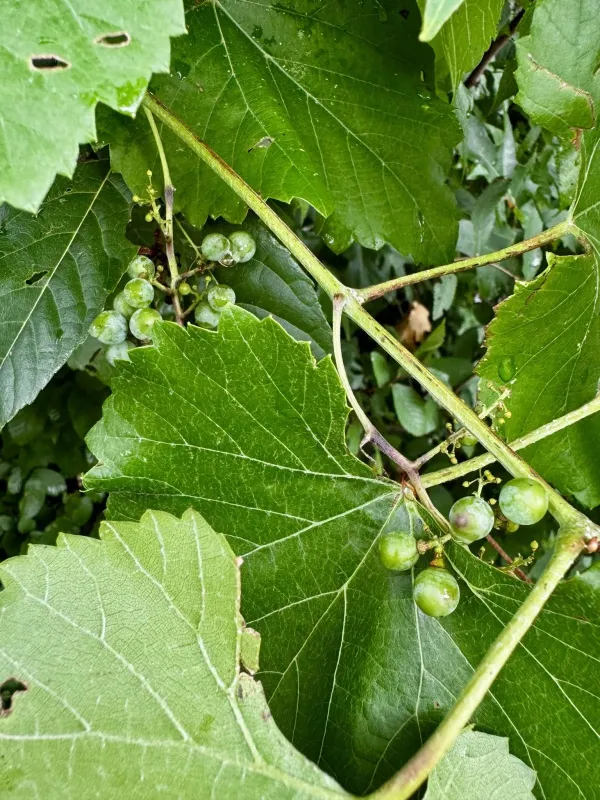
Description
Growing requirements
This biological object refers to a series of interspecific hybrids derived from the cross-pollination of Vitis berlandieri and Vitis riparia. Belonging to the Vitaceae family, these hybrids are the cornerstone of modern global viticulture, providing the necessary resilience for grafted commercial vineyards.
The origin of these hybrids lies in the necessity to combine the intense resistance to soil-borne phylloxera, inherited from Vitis riparia, with the unique ability to thrive in highly calcareous soils, a hallmark of Vitis berlandieri. This combination effectively combats lime-induced chlorosis in vineyards where other rootstocks would fail.
Regarding soil requirements, these hybrids are highly valued for their adaptability to alkaline soils where active limestone content would otherwise inhibit plant growth. They require well-drained, nutrient-rich substrates to support strong root architecture and to ensure the longevity of the grafted vine throughout its commercial lifespan.
Agrotechnical management focuses on maintaining high vigor in the mother vines used for rootstock propagation. Proper pruning and systematic fertilization, especially during the establishment phase, are crucial to ensure that the graft union between the rootstock and the scion is strong, compatible, and biologically efficient.
The primary economic use is the production of phylloxera-resistant rootstocks for the global wine industry. By selecting specific clones from this crossing, viticulturists can tailor the rootstock performance to the specific terroir, climate, and soil conditions of a given vineyard site.
Main diseases and pests
Common threats to this culture include downy mildew and powdery mildew, which can significantly damage the foliage if not controlled. Integrated pest management (IPM) practices are essential to protect the mother blocks and ensure that the cuttings remain free from pathogens during the propagation stage.
Environmental stress such as extreme waterlogging during the dormant season can also negatively impact the health of the root system. Proper drainage systems and selecting sites with appropriate topographical characteristics are vital measures to mitigate the risk of root decay caused by prolonged hypoxia in the soil profile.