
Chinese chaste tree
Vitex negundo L. var. cannabifolia (Siebold & Zucc.) Hand.-Mazz.
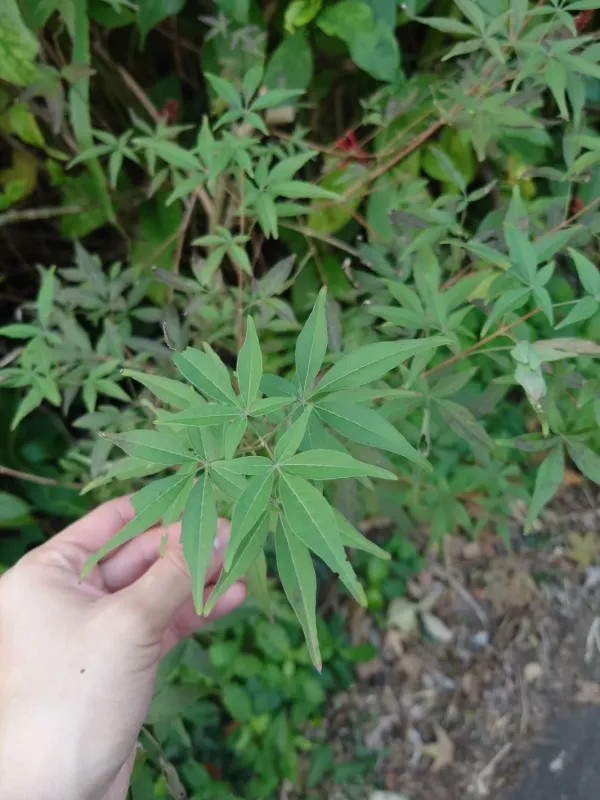
Description
Sowing dates
Propagation of the Chinese chaste tree is commonly performed through seeds or stem cuttings. Seeds should be stratified to improve germination rates, as the hard seed coat requires this treatment for successful activation.
Spring is the optimal season for sowing, once the soil has warmed up sufficiently. Seeds are typically planted in well-drained, light soil mixtures at a shallow depth to encourage uniform emergence.
Vegetative propagation using semi-hardwood cuttings is highly effective for maintaining the purity of the variety. These cuttings are placed in a humid environment until the root system is sufficiently developed.
When establishing a permanent plantation, proper spacing is essential to prevent overcrowding, which can hinder plant growth and lead to increased humidity within the foliage.
Young plants require consistent monitoring and frequent irrigation during their first year, as their root system is still maturing and sensitive to prolonged drought conditions.
Growing requirements
This species thrives in sunny, open locations where it receives full exposure to sunlight. Adequate light is crucial for the biosynthesis of essential oils and other active compounds within the plant tissues.
The Chinese chaste tree is adaptable to various soil types but demonstrates the best growth in well-drained, sandy loam soils. It is sensitive to waterlogged conditions, which can lead to root damage.
It prefers a temperate climate and is relatively heat-tolerant once established. While it can withstand periods of drought, regular moisture during the flowering phase is necessary for optimal crop development.
The plant is resilient to a range of soil pH levels but prefers slightly alkaline to neutral conditions for maximum nutrient uptake. Fertile, well-aerated soil promotes vigorous bush development.
- Full sun exposure for optimal growth.
- Well-drained soil with good permeability.
- Protection from extreme cold in young stages.
- Balanced fertilization to support foliage growth.
Yield
The yield potential of the Chinese chaste tree is largely determined by the maturity of the shrubs and the specific agricultural practices applied throughout the growing season.
Harvesting of medicinal raw material is performed at the peak of the flowering period. This ensures that the concentration of volatile oils and medicinal phytochemicals is at its peak for pharmaceutical use.
Post-harvest management involves drying the plant material in well-ventilated, shaded areas. Proper drying temperatures are vital to prevent the degradation of heat-sensitive compounds.
Mature plantations can provide consistent yields for over a decade. Periodic pruning of older branches is required to encourage the development of fresh, high-yielding shoots.
Annual output is significantly influenced by weather patterns, particularly the amount of sunshine during the spring and summer, which directly correlates to the quality of the raw material.
Main diseases and pests
The primary threats to the crop include fungal pathogens that emerge during periods of high humidity and poor air circulation. Root rot is a common issue in poorly drained fields.
Insect pests, such as aphids and spider mites, are known to attack the leaves and soft stems. These infestations can reduce the photosynthetic capacity of the plant and lead to yield losses.
Integrated pest management strategies are recommended, focusing on early detection and the use of organic control methods whenever possible to maintain the purity of the medicinal product.
Sanitation practices, such as removing debris from around the base of the bushes and pruning diseased branches, are effective measures for reducing the risk of recurrence in the following season.
Regular field scouting by qualified personnel is the key to identifying potential issues before they develop into widespread infestations that threaten the entire plantation.