
Chinese chaste tree
Vitex negundo L.
Description
Sowing dates
Propagation is predominantly achieved through stem cuttings. Semi-hardwood cuttings taken during the late spring or early summer are typically treated with rooting hormones and placed in a moist, sandy medium to stimulate root development.
While seed propagation is possible, it is less common due to the dormancy period of the seeds. Cold stratification for 30–60 days significantly improves germination rates if a direct seeding approach is preferred in the spring.
When planting, ensure the soil is thoroughly prepared with organic matter to provide a nutrient-rich base. Regular irrigation during the first growing season is necessary to help the plants establish a deep, drought-tolerant root system.
Pruning is an essential maintenance task. It should be conducted in late winter or early spring before the onset of new growth to remove dead wood and shape the plant, which enhances both its aesthetic appeal and the production of harvestable biomass.
As the shrub matures, it becomes quite drought-resistant. Nevertheless, periodic supplemental watering during prolonged dry spells can boost the yields of leaves and fruits, which are the primary economic products of this crop.
Growing requirements
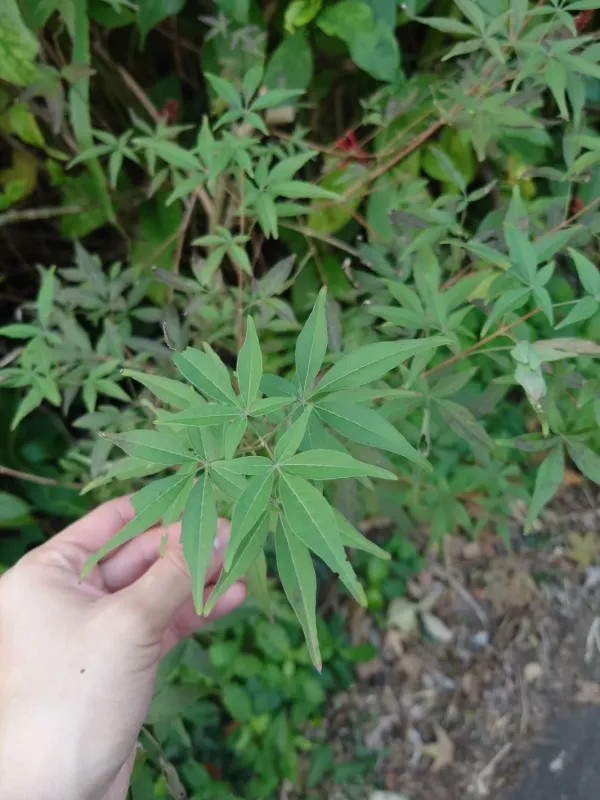
The Chinese chaste tree (Vitex negundo L.) belongs to the Lamiaceae family. It is a hardy, deciduous shrub or small tree that can reach heights of 3 to 5 meters, characterized by its palmate leaves and panicles of delicate lavender-blue flowers.
Native to tropical and subtropical regions of Asia, the plant thrives in warm climates. It is highly valued for its adaptability, although it requires full sun exposure to maintain its structural integrity and produce abundant blooms throughout the growing season.
Regarding soil requirements, Vitex negundo prefers well-drained, fertile sandy or loamy soils. It is notably intolerant to waterlogged conditions, which can quickly lead to root rot; therefore, selecting a site with good drainage is essential.
The plant is resilient to temperature fluctuations once established. It withstands heat exceptionally well and can tolerate mild frost; however, in regions with severe winters, young plants may require protective mulching to safeguard the root system.
Proper spacing is a vital part of the establishment. Allowing 2 to 3 meters between individual shrubs ensures adequate airflow, which is critical for reducing humidity levels around the foliage and preventing the development of fungal pathogens.
Main diseases and pests
Vitex negundo is naturally robust due to the essential oils present in its tissues, which act as a natural defense against many pests. However, poor drainage remains the primary threat, often leading to susceptibility to Phytophthora or root fungi.
Pest issues such as spider mites and aphids may occur during hot, dry weather. These insects target the undersides of the leaves and tender new shoots, potentially leading to stunted growth if left unmanaged over an extended period.
Management involves sustainable agricultural practices. If pest populations exceed threshold levels, the use of neem-based oils or insecticidal soaps is recommended to protect the crop without compromising the quality of the medicinal material.
Maintaining cleanliness in the field is a standard preventive measure. Removing leaf litter and weeds under the canopy helps decrease the habitat available for pests and prevents the overwintering of pathogens near the root zone.
Balanced fertilization with micronutrients helps maintain high plant vigor. Avoid excessive nitrogen applications, which can lead to rapid, succulent growth that is more susceptible to aphid infestations and winter cold damage.
Harvesting
The harvest typically involves collecting leaves, flowers, and mature fruits. Leaves are best harvested during the flowering phase, while fruits are gathered when they turn fully dark, indicating the peak concentration of essential phytochemicals.
Drying must be conducted immediately after harvest. Spreading the material in thin layers in a shaded, well-ventilated area prevents mold growth and ensures the preservation of volatile oils responsible for the plant’s therapeutic efficacy.
The plant has diverse economic applications. Beyond its use in modern and traditional herbal medicine, the woody stems are widely utilized for traditional weaving, including the production of baskets, mats, and various rustic agricultural tools.
Essential oil extraction is another key use. These oils are frequently used in the formulation of natural insect repellents, which are increasingly sought after for organic farming and home garden applications due to their safety and biodegradability.
To ensure long-term productivity, farmers practice rotational harvesting. By harvesting only a portion of the foliage from a single plant at a time, the metabolic stress is minimized, allowing the shrub to recover quickly and remain productive for several years.