
Vitex trifolia
Vitex trifolia L.
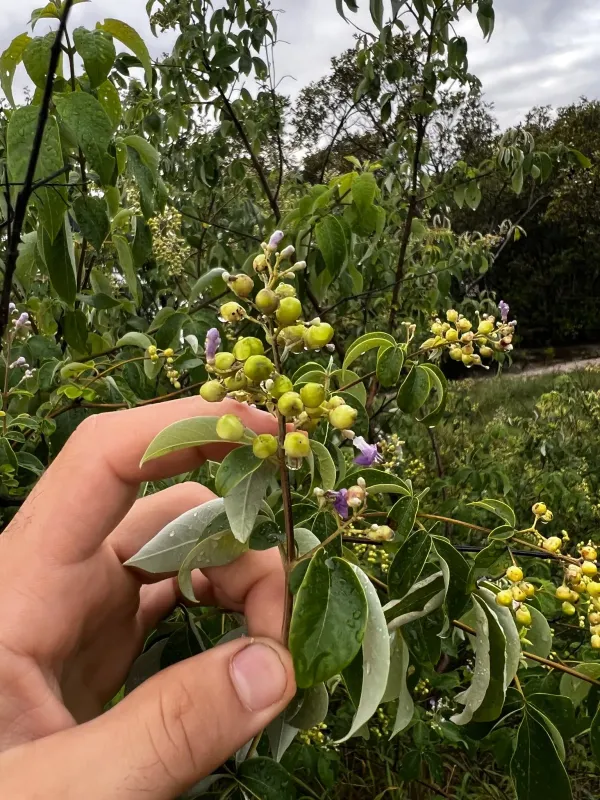
Description
Sowing dates
Sowing Vitex trifolia seeds is best performed in the spring when soil temperatures reach 15–18°C. Seeds require a stratification period of 30 to 60 days in cool conditions to break dormancy and ensure high germination rates.
Commercial cultivation typically relies on vegetative propagation through cuttings. Semi-hardwood cuttings taken during the late spring or early summer are preferred for their higher rooting success in greenhouse environments.
The spacing for a plantation depends on the intended harvest method. Typically, a distance of 1.5 to 2 meters between rows is recommended to facilitate maintenance and allow for proper air circulation around the plants.
Sowing depth for seeds in the field should not exceed 1–2 centimeters. Consistent moisture is vital during the germination phase to ensure the establishment of a healthy root system in the early weeks.
Selecting a site with full sun exposure is critical. Plants grown in partial shade often show reduced biomass production and lower concentrations of essential oils, which are the primary economic drivers for this crop.
Growing requirements
Vitex trifolia belongs to the Lamiaceae family and is a deciduous or evergreen shrub native to tropical and subtropical regions across Asia, Africa, and Australia. It thrives in warm, humid climates.
The plant prefers well-drained, sandy or loamy soils with a neutral pH. Waterlogging is a significant stress factor and often leads to root rot, so field selection must prioritize areas with excellent natural or artificial drainage.
Although the species displays some drought tolerance once established, consistent irrigation is necessary for maximum leaf and fruit yield, particularly during the peak growing season.
Vitex trifolia is frost-sensitive and cannot survive prolonged freezing temperatures. In cooler climates, it must be grown in protected environments such as greenhouses or managed as a container plant.
Regular pruning is an essential part of the agricultural management of this crop. It encourages bushy growth and keeps the foliage accessible, which significantly simplifies the harvesting process for labor crews.
Yield
The primary economic output of Vitex trifolia includes its leaves, fruits, and occasionally its bark. These parts are highly valued in the pharmaceutical and cosmetic industries for their active phytochemical compounds.
Harvesting efficiency is highest when plantations reach 3–5 years of age. Yields are maximized through balanced mineral nutrition, focusing on nitrogen for leaf biomass and potassium for fruit quality.
Extraction of bioactive compounds, such as flavonoids and essential oils, forms the core of the industrial processing of this crop. These extracts are widely used in herbal medicines to support hormonal health.
In its native range, the plant is also valued for its timber, which is naturally resistant to many wood-boring insects. This makes it a useful resource for local handicraft industries and small-scale construction.
Post-harvest processing involves drying the plant material quickly at temperatures below 40°C to prevent the degradation of volatile essential oils, ensuring high-quality market-ready products.
Main diseases and pests
The most common pests affecting Vitex trifolia are aphids and spider mites, which thrive in low-humidity conditions. These pests can rapidly colonize leaves and significantly reduce the quality of the raw material.
Fungal diseases like powdery mildew and various root rots are frequent threats, especially in poorly ventilated or excessively damp environments. Maintaining optimal plant spacing is a key preventative measure.
Integrated Pest Management (IPM) is highly recommended for this crop. Utilizing biological controls, such as predatory mites, is safer than chemical pesticides for a plant intended for medicinal use.
Sanitation practices, including the removal of infected foliage and weeds from the site, are crucial to prevent the overwintering of pathogens and to maintain a clean plantation environment.
Nutrient mismanagement, specifically excessive nitrogen, can lead to succulent growth that is highly attractive to insect pests, further highlighting the need for balanced and controlled fertilizer applications.
Harvesting
Leaf harvesting is typically conducted by manually or mechanically pruning the top portion of the shoots, leaving enough foliage for the plant to recover and continue photosynthetic activity throughout the season.
Fruit harvesting occurs once the berries have reached full maturity. Timing is critical to ensure high oil content and prevent excessive shedding of fruit onto the ground before it can be collected.
Immediate transportation of harvested material to the processing facility is necessary to avoid the risk of mold growth and the oxidation of temperature-sensitive components due to plant material heating.
Storage of dried products should be in airtight, light-resistant containers within a cool and dry environment. This maintains the shelf-life of the active ingredients for up to two years.
Safety protocols during harvesting are important, as the essential oils and plant resins can cause contact dermatitis or allergic reactions in sensitive individuals, requiring the use of protective gloves.