
Hybrids of Vitex agnus-castus and Vitex trifolia
hybrids between Vitex agnus-castus L. and Vitex trifolia L.
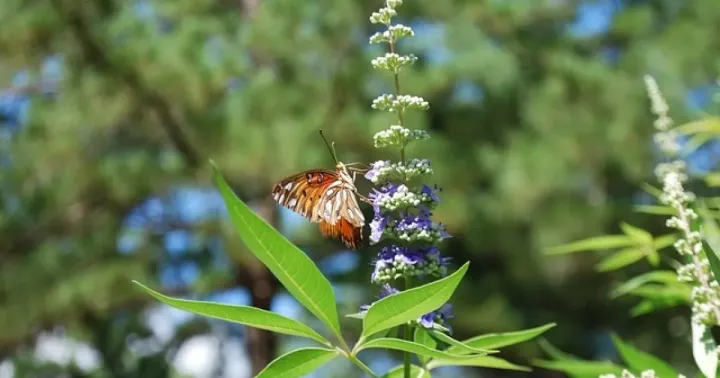
Description
Growing requirements
Hybrids between Vitex agnus-castus and Vitex trifolia belong to the Lamiaceae family. These plants are valued for their combined phytochemical profile and resilience in Mediterranean-like climates.
The culture thrives in well-drained, sandy-loam soils with a neutral pH. It is essential to ensure that the site receives full sun exposure for at least 6–8 hours daily to maximize essential oil production in the leaves and fruit.
Water requirements are moderate. Once established, the plants are highly drought-tolerant, but during the first year of growth and the peak flowering season, consistent moisture is required to support development.
Agronomic practices include heavy spring pruning. Since these hybrids flower on new growth, pruning encourages vigorous branching and a higher density of floral spikes, which are the primary harvestable parts.
Fertilization should be handled with care, focusing on potassium and phosphorus levels to support the reproductive phase rather than excessive vegetative growth, which can dilute active compounds.
Main diseases and pests
The plant possesses natural defense mechanisms due to its essential oil content, which helps it resist many common pests. However, aphids can occasionally colonize new, succulent shoot tips during humid spells.
Powdery mildew is the most common fungal threat, particularly in poorly ventilated areas with high relative humidity. Ensuring correct plant spacing is the primary preventative measure.
Spider mites can become a nuisance during extremely hot and dry seasons. Regular overhead irrigation or the use of neem-based oils can effectively manage populations without damaging the plant's quality.
Root rot is almost exclusively associated with poor drainage. Site selection must prioritize soils that do not hold standing water after heavy rains to maintain healthy root respiration.
For large-scale cultivation, integrated pest management (IPM) is recommended, emphasizing biological control agents to keep the final product residue-free for pharmaceutical usage.
Harvesting
Harvest timing is critical for these hybrids. Leaves are harvested just before flowering, while the fruit is collected after it has fully darkened and reached maturity in late autumn.
Mechanical harvesting is feasible for large plantations, but manual harvesting is preferred for high-quality botanical supplies. Flowers and berries must be harvested during dry weather to prevent molding.
Drying must be conducted in controlled, shaded environments with temperatures not exceeding 40°C. Maintaining low temperatures is essential to preserve the volatile terpene profile of the plant.
After drying, the material should be threshed to separate the berries from the stems and then cleaned using industrial winnowing equipment to remove debris and dust.
The final product is widely used in the nutraceutical industry for hormone regulation and as an ornamental plant that adds structural beauty and biodiversity to garden landscapes.