
Vigna trilobata
Vigna trilobata (L.) Verdc.
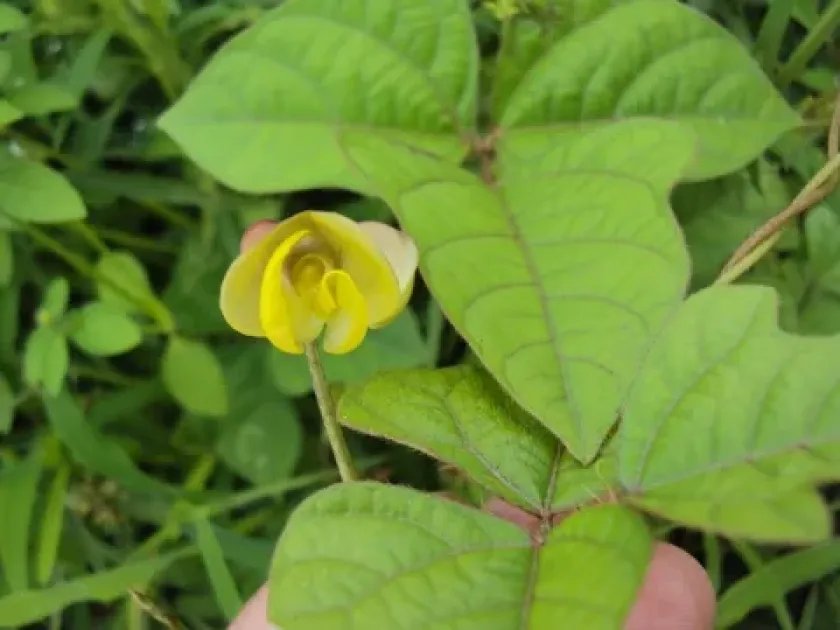
Description
Sowing dates
Vigna trilobata is a warm-season crop that requires stable, warm temperatures for successful germination. Planting should ideally occur when soil temperatures consistently reach 18-20 degrees Celsius, typically in late spring or early summer.
Early sowing in cold soil can lead to seed rot and uneven stand establishment, significantly reducing the crop's potential yield. Producers should ensure that the danger of frost has completely passed before field operations begin.
The crop can be planted using row or broadcast methods, with row spacing adjusted depending on whether the primary goal is biomass production or seed harvest. A seeding depth of 2 to 4 centimeters is generally recommended.
Soil moisture at the time of sowing is crucial for uniform emergence. In drier regions, light irrigation or packing the soil after planting is advised to improve seed-to-soil contact and speed up the germination process.
Seed treatment with specific rhizobia inoculants is highly recommended, especially in fields where the crop has not been grown recently. This practice ensures efficient nitrogen fixation and reduces the need for nitrogen fertilizers.
Growing requirements
As a member of the Fabaceae family, Vigna trilobata is highly valued for its adaptation to tropical and subtropical climates. It exhibits remarkable drought tolerance, allowing it to survive in areas with unpredictable rainfall.
The crop thrives in well-drained sandy or loamy soils. It is particularly sensitive to waterlogging, as standing water promotes root decay and rapidly diminishes plant vigor, often leading to total crop failure in low-lying areas.
Full sunlight is a critical requirement for this plant. While it can tolerate slight shade, optimal biomass accumulation and pod development occur only when the plant receives direct solar radiation for the majority of the day.
Nutrient requirements are moderate, but the plant benefits significantly from phosphorus and potassium supplementation in nutrient-depleted soils. Its own ability to fix nitrogen contributes to soil fertility over time.
Weed control is essential during the initial growth phase, as seedlings grow slowly and can be easily outcompeted. Once the canopy closes, the dense vegetation of Vigna trilobata effectively suppresses most competing weeds.
Yield
Yield potential varies based on environmental conditions and soil quality. When grown for forage, the crop produces a high volume of leafy green material rich in protein, making it an excellent animal feed source.
When utilized as a green manure, the crop provides significant amounts of organic matter to the soil. Its deep-reaching root system helps improve soil structure and facilitates the cycling of nutrients to the upper soil layers.
Seed yields depend on the variety and the management of the reproductive phase. Proper timing of harvest is critical to prevent pod shattering, which is a common challenge with many Vigna species when exposed to excessive heat.
The ability of the plant to regrow after cutting allows for multiple harvests in a single season under favorable moisture conditions. This multi-cut potential adds significant value for sustainable forage management systems.
Overall economic performance is enhanced by the crop's low input requirements and its positive legacy effect on the subsequent crops in the rotation, particularly regarding soil health and nitrogen levels.
Main diseases and pests
The primary biotic threats to Vigna trilobata include fungal diseases such as anthracnose and leaf spot, which thrive in humid conditions. Maintaining good ventilation within the crop canopy is a key preventive strategy.
Root rot pathogens, including Fusarium species, pose a serious threat, especially in poorly drained soils. Crop rotation and the use of certified, clean seeds are the most effective management tools against these soil-borne threats.
Insect pests, including aphids and various leaf-eating beetles, can cause significant damage during the vegetative stage. Regular field scouting is necessary to identify infestations early and apply targeted control measures.
Nematodes are another concern, as they parasitize the root system and reduce nutrient uptake, leading to stunting and chlorosis. Choosing resistant cultivars and maintaining soil health can help mitigate these issues.
Effective post-harvest management, including the removal of crop residues, is crucial to break the life cycle of pests and diseases. Deep plowing of stubble can also help reduce the inoculum load for the next planting season.