
Mung bean
Vigna radiata (L.) R. Wilczek
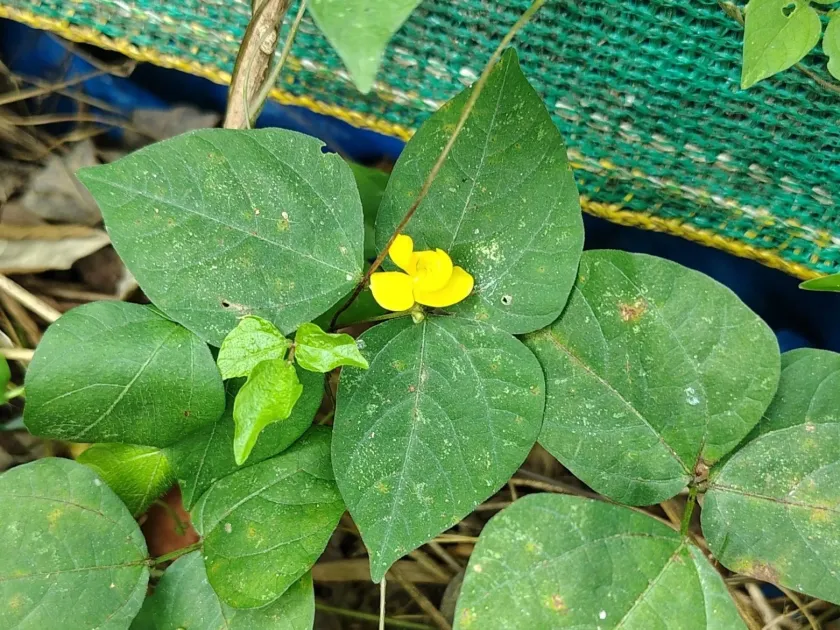
Description
Sowing dates
Mung bean is a heat-loving crop, therefore planting should only begin once the soil has warmed up to 15–18°C at the seeding depth. In temperate climates, the optimal time is late May or the first decade of June, when the risk of late frosts is completely eliminated.
Seeds are sown in rows with 45–60 cm spacing, ensuring optimal light penetration and ventilation during the growing season. The sowing depth is 3–5 cm, depending on the soil texture and moisture levels at the time of planting.
The seeding rate varies between 20 and 30 kg per hectare, depending on soil fertility and specific cultivar characteristics. It is important to remember that mung bean is sensitive to overcrowding, so high plant density can lead to reduced yields and harvest difficulties.
Pre-sowing preparation includes seed treatment to protect against soil-borne pathogens. Inoculation with specific strains of rhizobia bacteria is also highly recommended to improve nitrogen fixation, which significantly boosts the crop's potential productivity.
Seedlings emerge 7–10 days after planting, provided that temperature and moisture conditions are met. During this critical period, the crop requires careful weed control, as slow initial growth makes the plants vulnerable to competition from weeds.
Growing requirements
The mung bean belongs to the Fabaceae family and is a drought-tolerant crop adapted to hot climates. The optimal temperature for active growth and pod formation is 25–35°C, and the plant is extremely sensitive to cold, showing no tolerance for even light frosts.
The crop prefers light, well-drained sandy or loamy soils with a neutral pH level. Mung bean does not tolerate waterlogging or saline soils, which can lead to root rot and severely hinder overall plant development.
Light exposure is a critical factor, as the mung bean is a short-day plant. Adequate sunlight promotes intense pod formation and protein accumulation in the seeds, which directly affects the quality and nutritional value of the final harvest.
The plant has a high capacity for symbiosis with nitrogen-fixing bacteria, allowing it to enrich the soil with nitrogen throughout its vegetative cycle. Due to its deep root system, the mung bean effectively utilizes moisture from deeper soil layers during dry spells.
Successful cultivation requires minimal phosphorus and potassium fertilization to stimulate flowering and pod ripening. Nitrogen fertilizers are typically limited, as excessive nitrogen promotes vigorous vegetative growth at the expense of fruit production.
Yield
The average yield of mung beans under intensive cultivation ranges from 1.5 to 2.5 tons of marketable grain per hectare. These figures depend significantly on the cultivar's genetics, moisture availability during the flowering stage, and the quality of agronomic practices throughout the season.
The final yield is determined by the number of pods formed per plant, which can reach 20–40 units. The genetic potential of modern varieties allows for high results even in changing climatic conditions.
Plant density has a significant impact on output, making it essential to follow recommended sowing patterns. Poor plant development caused by moisture deficits or unfavorable temperatures during budding leads to flower abortion and a reduction in total grain volume.
The economic efficiency of mung bean production is also driven by the use of crop residues as high-quality organic fertilizer. The root system leaves behind significant amounts of available nitrogen, which is a major benefit for subsequent crops in the rotation.
Yield stability is ensured by breeding for resistance to pod shattering and uniform maturation, which helps minimize losses during mechanical harvesting. Modern agricultural technologies focus on optimizing these exact productivity parameters.
Main diseases and pests
The primary threats to mung bean are fungal diseases such as anthracnose, powdery mildew, and root rots, especially during periods of high humidity. These infections can affect both leaves and pods, causing premature flower drop and reduced seed quality.
Among pests, the most dangerous is the mung bean weevil (Vigna weevil), which damages seeds both in the field and in storage. Crops can also suffer from aphids, spider mites, and weevils that feed on young leaves and growth points during the initial stages of development.
Control measures include proper crop rotation, ensuring mung beans are not planted in the same field more than once every 3–4 years. Important preventative steps include using certified disease-free seed and timely weed management, as weeds often act as reservoirs for viruses and pests.
In case of massive pest infestations or early symptoms of disease, systemic insecticides and fungicides are used. However, pesticide use must be strictly regulated, especially during the flowering phase, to avoid harming pollinators that are essential for successful pod set.
- Anthracnose — characterized by dark spots on stems and pods.
- Root rots — lead to wilting and plant death.
- Aphids — suck sap, weakening plant growth.
- Mung bean weevil — the primary pest of harvested seeds.
Harvesting
Harvesting mung beans requires careful attention, as pods mature unevenly and are prone to shattering if left in the field too long. The optimal harvest window is when 70–80% of the pods turn the characteristic variety color (black or brown) and become dry.
To minimize losses, a two-phase harvesting method is often employed, involving cutting the plants into windrows followed by threshing once the biomass has dried. This reduces shattering losses and ensures higher quality marketable grain.
When using direct combine harvesting, it is crucial to properly adjust the drum speed to avoid crushing the seeds, which have a fragile skin. Modern headers equipped with gentle harvesting systems allow for a significant reduction in mechanical damage to the seeds.
After threshing, the grain requires immediate cleaning and drying to a moisture content of 12–14%, which is critical for long-term storage. High moisture levels promote mold growth and accelerate the spoilage of the product in storage facilities.
Stored mung beans should be kept in dry, well-ventilated areas protected from storage pests. Under proper conditions, mung beans retain their nutritional and seeding qualities for several years.