
Yardlong bean
Vigna unguiculata (L.) Walp. subsp. sesquipedalis (L.) Verdc.
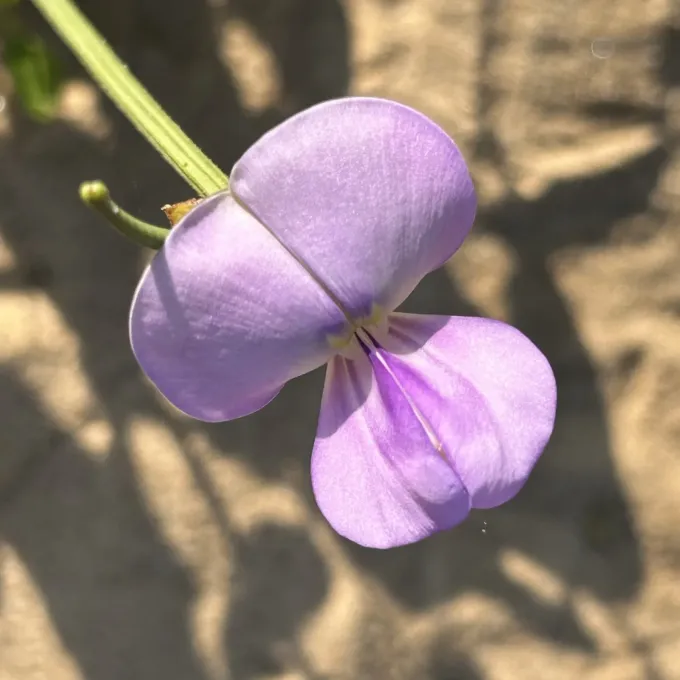
Description
Sowing dates
The yardlong bean is a heat-loving crop that requires warm soil for successful germination. Sowing should only occur once soil temperatures consistently reach 18°C or higher, typically in late spring when the risk of frost has completely passed.
In regions with shorter growing seasons, starting seeds indoors in biodegradable pots is recommended. Seedlings should be transplanted about 30 days after sowing, as yardlong beans are notoriously sensitive to root disturbance and do not recover well from rough handling.
For quicker germination, soaking seeds in warm water for a few hours before planting is common practice. Seeds should be sown at a depth of 3 to 5 centimeters, depending on the moisture level and density of the local soil.
When planning your layout, remember that most varieties are vigorous climbers. Providing 60 to 80 centimeters between rows and 20 to 30 centimeters between individual plants is essential for maintaining proper airflow and preventing fungal buildup.
Support structures are mandatory for this crop. Sturdy trellises or tall poles at least 2 meters in height are necessary to accommodate the vining nature of the plants and ensure that the hanging pods do not touch the ground.
Growing requirements
The yardlong bean (Vigna unguiculata subsp. sesquipedalis) is a member of the Fabaceae family. Originating from tropical environments, it thrives in warm, humid climates and is highly valued for its exceptionally long, fleshy, and tender edible pods.
The plant requires high temperatures for optimal development, ideally between 25°C and 30°C. Growth significantly stalls if temperatures drop below 15°C, and exposure to frost will kill the plants almost instantly, making climate monitoring crucial.
Yardlong beans prefer well-draining, fertile loamy soils with a neutral or slightly acidic pH. While they can tolerate various soil types, they suffer in waterlogged conditions, which frequently leads to root rot and other moisture-related diseases.
As a light-loving plant, it requires full sun exposure to flower and fruit abundantly. Selecting a site that receives at least 6-8 hours of direct sunlight daily is vital for maximizing the yield and preventing weak, leggy stems.
Consistent moisture is key during the flowering and pod-setting stages. Although the plant shows some drought tolerance once established, regular irrigation ensures that the pods remain plump, tender, and free from tough, fibrous strands.
Yield
Productivity in yardlong beans is largely driven by consistent care and soil fertility. In ideal growing conditions, a healthy, well-maintained plant can produce between 1 to 3 kilograms of fresh pods over the course of a single season.
Balanced fertilization, particularly with higher phosphorus and potassium levels during the bud formation stage, is necessary for high yields. Excessive nitrogen should be avoided, as it encourages leaf growth at the expense of flower and pod production.
Harvesting pods regularly is the most effective way to stimulate the plant to continue producing flowers. By preventing the plant from focusing its energy on seed maturation, gardeners can significantly extend the harvest window.
Applying organic mulch around the base of the plant helps regulate soil temperature and moisture, which is especially important during hot summer spells. This practice keeps the roots cool and maintains a more stable environment for the plant.
Growing yardlong beans in a greenhouse can increase yields by creating a controlled microclimate, though careful monitoring of humidity is required. Proper ventilation is essential to avoid the buildup of stagnant air and high moisture levels.
Main diseases and pests
Powdery mildew is a common threat, particularly in humid or fluctuating weather conditions. Ensuring adequate spacing between plants and avoiding overhead irrigation can significantly reduce the risk of this fungal issue spreading.
Bacterial wilt and root rot are prevalent in areas with poor drainage. Implementing a proper crop rotation schedule and ensuring the soil is light and airy are the most effective cultural strategies to combat these soil-borne pathogens.
Aphids are frequent pests that congregate on tender shoots and leaf undersides, potentially stunting growth. Using biological controls, such as introducing predatory insects or neem-based sprays, is safer for crops consumed in their immature state.
Spider mites can become a problem during hot, dry periods, causing leaf discoloration and webbing. Regularly misting the foliage or ensuring sufficient humidity can help deter these pests from establishing large colonies on the plants.
Seedcorn maggots may damage seeds shortly after planting, especially in cool, wet soil. Ensuring the soil is sufficiently warmed before sowing is the best defense against this subterranean pest, as it encourages rapid germination.
Harvesting
Harvesting begins roughly 7 to 10 days after the pods have set, while they are still in the immature stage. At this point, the pods are tender, crunchy, and possess the best flavor profile, without any developed fiber.
While pods can grow up to 60 centimeters or longer, it is recommended to harvest them when they reach the desired length for their variety. Waiting too long leads to thick, fibrous skins and enlarged seeds, which reduces culinary quality.
Harvesting should be performed every few days to ensure continuous production. Consistent picking encourages the plant to maintain its reproductive cycle, providing a steady supply of beans until the first cooling signs of autumn.
Post-harvest care involves keeping the pods in a cool, shaded environment to prevent wilting. Yardlong beans have a relatively short shelf life, but they can be stored in the refrigerator or blanched and frozen for long-term use.
When harvesting, use sharp scissors to avoid damaging the brittle stems of the vine. Rough pulling can tear the plant structure, causing unnecessary stress that may reduce the lifespan and total yield of the plant.