
Mung bean
Vigna radiata (L.) R. Wilczek var. radiata
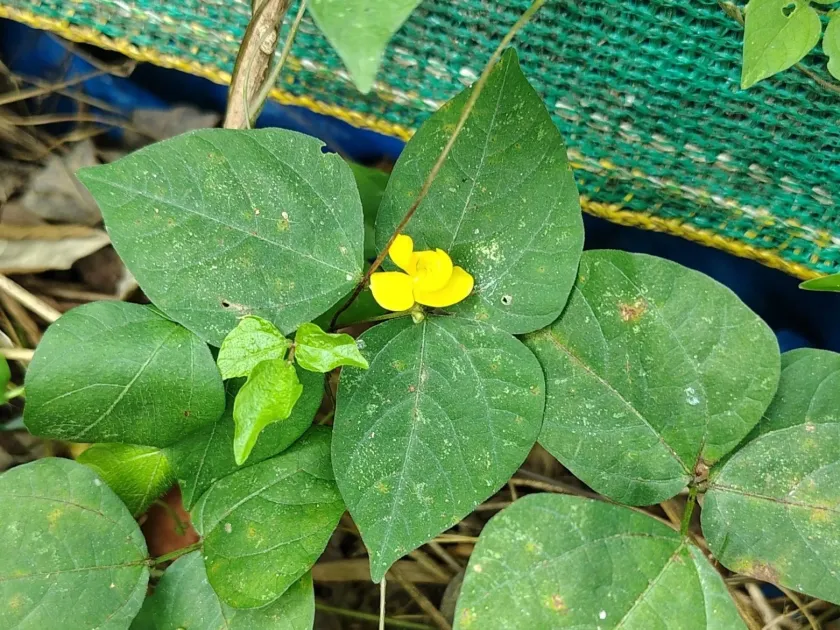
Description
Sowing dates
The mung bean is a warm-season crop, so planting times depend heavily on soil temperature. The optimal time for sowing is when the soil temperature at a depth of 5–10 cm remains stable at +15–18°C.
In temperate climates, planting is usually performed in late spring or early summer to avoid late frosts that are lethal to young seedlings. Early sowing allows the crop to maximize the utilization of residual soil moisture.
It is important to remember that mung beans are very sensitive to low temperatures, even at the seedling stage. Delays in sowing during a prolonged spring can negatively affect root system development and overall growth vigor.
Sowing technology involves wide-row spacing, typically 45–60 cm. This provides the necessary space for individual plants and facilitates subsequent mechanical weed control between rows.
Planting depth varies from 3 to 5 cm depending on soil type and moisture content. In light sandy soils, the depth can be increased, while in heavy clay soils, it should be decreased to ensure uniform emergence.
Growing requirements
Mung bean belongs to the Fabaceae family and is highly demanding regarding temperature. To complete a full vegetation cycle, the plant requires an accumulation of active temperatures ranging from 2000 to 2500°C.
The crop has moderate soil requirements but thrives best in light, fertile loams with a neutral or slightly acidic pH. It performs poorly in compacted or waterlogged heavy soils.
Mung beans exhibit significant drought tolerance due to a deep taproot system capable of extracting moisture from lower soil horizons. However, excessive waterlogging is a critical factor that often leads to root rot.
The plant is light-loving and extremely sensitive to shading. Insufficient sunlight during the flowering phase results in heavy flower and pod abortion, significantly reducing overall crop productivity.
Maintaining a weed-free field during the first 30 days is vital. During initial growth stages, the crop develops slowly and is easily outcompeted by weeds for essential light, water, and nutrients.
Yield
Mung bean yields are highly dependent on following proper agronomic practices and favorable weather conditions. On average, yields range from 1.0 to 2.5 tons of marketable grain per hectare.
Potential productivity is influenced by plant density, which should ideally be between 200,000 and 350,000 plants per hectare. Overcrowding often leads to fewer pods per plant and lower grain quality.
Inoculating seeds with nitrogen-fixing bacteria (Rhizobium) before planting can increase yields by 15–20% by optimizing the nitrogen nutrition of this legume crop.
Modern improved varieties offer more uniform pod maturity, which minimizes harvest losses. Older or traditional landraces often require multiple manual harvests as pods turn brown at different times.
Applying potassium and phosphorus fertilizers during the budding phase promotes better grain filling and increases stem strength, which directly correlates to the final total harvest volume.
Main diseases and pests
The primary threats to mung bean crops include fungal diseases such as anthracnose and powdery mildew, which thrive in conditions of high humidity and sudden temperature fluctuations.
Among pests, the mung bean weevil (bruchid) is the most common, causing damage both in the field and in storage. Integrated pest management, including fumigation and insecticides, is necessary for control.
Viral infections transmitted by aphids can cause leaf mosaic, leading to foliage deformation and stunted growth. Controlling aphid populations is a crucial preventative measure for maintaining crop health.
Root rots pose a significant threat when crop rotation is neglected, especially if the crop is planted in the same field for more than two consecutive years. Proper rotation is the foundation of disease prevention.
- Strict crop rotation practices.
- Seed treatment with fungicides.
- Regular monitoring of pest populations.
- Timely application of protective fungicides.
Harvesting
Harvesting mung beans begins when 70–80% of the pods turn brown or black. Early harvesting leads to a large number of immature green seeds, which significantly reduces the quality of the batch.
Delaying harvest increases the risk of pod shattering and seed loss on the field, potentially causing losses of up to one-third of the total yield. Timing is critical for technological maturity.
For mechanical harvesting, combines should be operated at lower threshing drum speeds to prevent seed cracking. The high fragility of the grain is a distinct characteristic of this crop.
After threshing, the grain requires immediate cleaning and drying to a moisture content of 12–13%. This ensures long-term storage without the risk of spoilage from mold or stored-grain pests.
In cases of unfavorable weather conditions before harvest, desiccation is often used. This accelerates maturation, dries out the vegetation, and facilitates more efficient mechanical harvesting within a shorter time frame.