
Snail vine
Cochliasanthus caracalla (L.) Trew ex A. Delgado et al.
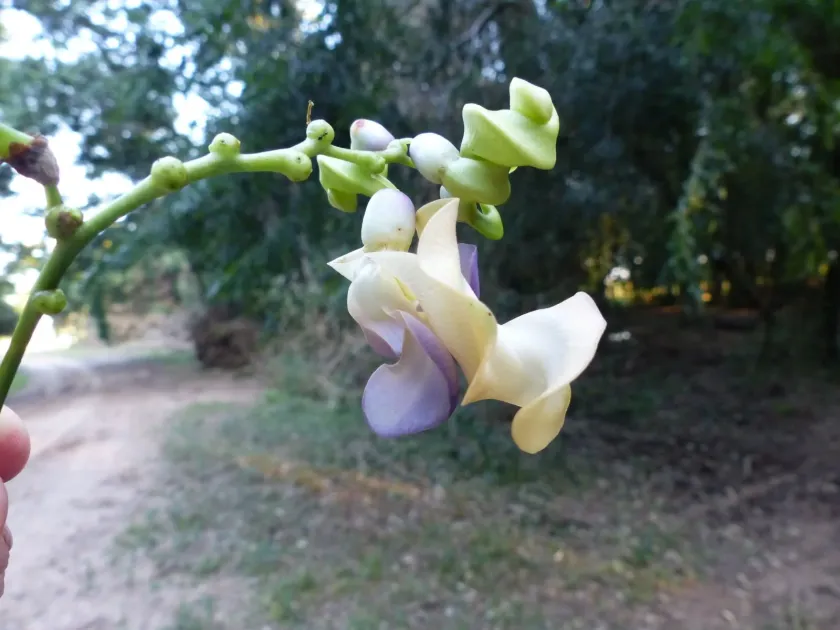
Description
Sowing dates
The Snail vine (Cochliasanthus caracalla), a member of the Fabaceae family, is a vigorous perennial climber native to tropical regions. In temperate climates, it is typically grown as an annual plant.
Seed propagation starts in late winter indoors. It is essential to soak seeds in warm water for 24 hours prior to sowing to soften the seed coat and improve germination rates.
Seeds should be sown in deep pots to accommodate rapid root development. Keep the soil warm and well-lit to prevent seedlings from becoming leggy and weak before transplantation.
Transplanting to the final site occurs only when the danger of frost has completely passed. The plant requires a long, warm season to reach its full flowering potential.
Spacing is vital when planting multiple vines; ensure each plant has at least 60–80 cm of space to allow for sufficient air circulation and expansion of the foliage.
Growing requirements
This species thrives in warm, tropical, or subtropical conditions. It demands full sun exposure to initiate the production of its unique, fragrant, corkscrew-shaped flowers.
Well-drained, fertile soil is a requirement for healthy growth. Sandy loam amended with compost provides the ideal balance of moisture retention and aeration for the root system.
Regular watering is necessary during the active growing season. The plant should be kept consistently moist but not waterlogged, as poor drainage often leads to root rot.
Providing sturdy vertical support is necessary for this climber, which can easily reach lengths of up to 6 meters. Trellises, arbors, and wire fences are common structures used.
Feeding the plant with a balanced liquid fertilizer every 2–3 weeks promotes steady growth. Avoid high-nitrogen fertilizers once the plant is established, as this may delay flower formation.
Main diseases and pests
Aphids are common pests that colonize tender growth, especially in the spring. If left unchecked, they can stunt growth and transmit viral diseases to the plant.
Spider mites are frequently encountered in hot, dry conditions. Increasing ambient humidity around the plant helps suppress their population growth effectively.
Powdery mildew can affect the foliage if the plants are crowded or located in areas with poor airflow. Maintaining proper spacing and removing debris helps minimize the risk.
Root rot is the primary danger caused by overwatering or soil compaction. Ensure that the planting area or container has excellent drainage to avoid stagnant water.
Fungal leaf spots can occur during periods of prolonged high humidity. Applying organic fungicides or simply removing affected leaves usually manages these minor infections successfully.