
Rice bean
Vigna umbellata (Thunb.) Ohwi & H. Ohashi
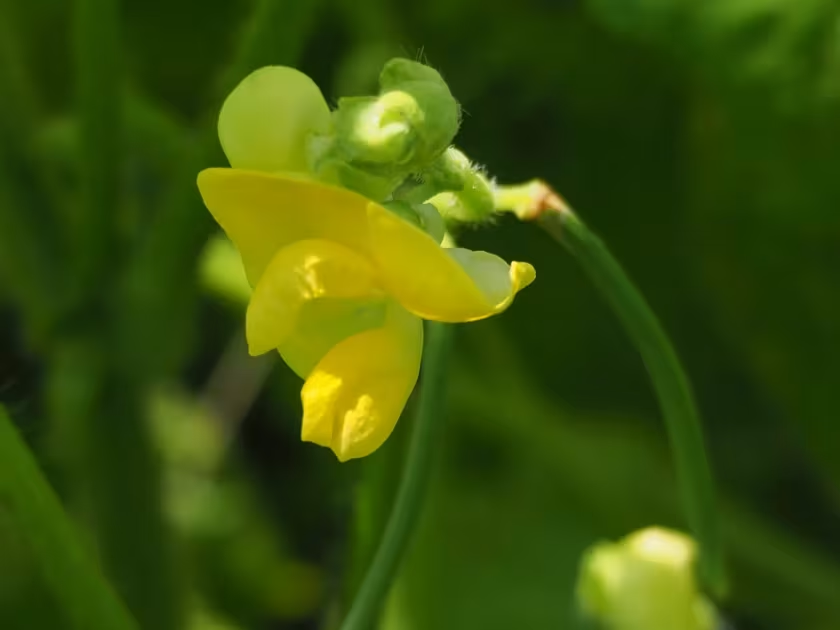
Description
Sowing dates
Rice bean (Vigna umbellata) is a heat-loving crop that requires consistent soil temperatures of at least 15-18°C to germinate successfully. The ideal planting time begins once the risk of frost has passed, usually in late spring.
Seeds are sown in well-prepared, loose soil at a depth of 3–5 cm. It is essential to maintain proper row spacing, typically 45–60 cm, to ensure adequate airflow and prevent dense canopy growth that can lead to disease.
In regions with shorter growing seasons, soaking the seeds before planting can accelerate germination. Timely sowing allows the plant to take full advantage of the long daylight hours required for optimal vegetative development.
The initial growth phase of the rice bean is relatively slow, making weed control in the early weeks crucial for successful establishment. Row cropping provides uniform space and nutrition for each individual plant.
The crop is highly adaptable to various crop rotation schemes. It is often grown as a cover crop or a preceding crop for cereals due to its excellent nitrogen-fixing properties that improve soil fertility.
Growing requirements
Belonging to the Fabaceae family and native to Southeast Asia, this plant thrives in sunny, sheltered locations with full-day light exposure. It performs best in areas that avoid strong, drying winds.
The soil should have a neutral or slightly acidic pH and excellent drainage. Waterlogging is detrimental to the plant, as it significantly increases the risk of root rot and inhibits plant development.
While the rice bean is known for its drought tolerance, high yields require consistent moisture during the flowering and pod-filling stages. Maintaining balanced soil moisture is key to productive harvests.
The optimal temperature for growth ranges between 25–30°C. Development slows significantly if temperatures drop below 10°C, which restricts its outdoor cultivation to warmer climates or specific planting windows.
The rice bean is a herbaceous annual with branching stems that can be erect or semi-vining. Understanding the specific variety's growth habit is essential for proper spacing and potential trellising needs.
Yield
Yields of rice bean are primarily influenced by solar radiation and adequate moisture during the critical flowering period. Under optimal conditions, yields typically range from 1 to 2 tonnes per hectare.
Beyond grain production, a significant portion of the plant biomass can be used as high-protein green fodder for livestock, which adds economic value and utility to the farming operation.
The fruit is a slender pod containing small seeds that come in a variety of colors, including yellow, green, maroon, or black. Mature plants generally range from 30 to 100 cm in height depending on local growing conditions.
Economic uses of the crop include direct human consumption, processing into flour, and use as a staple ingredient in traditional Asian culinary practices, ensuring a steady market demand.
To maximize productivity, strategic application of phosphorus and potassium fertilizers is recommended. These nutrients stimulate vigorous flowering and pod development, directly increasing the marketable yield.
Main diseases and pests
The primary threats to rice bean cultivation include fungal diseases like powdery mildew and anthracnose. These are most prevalent in high-humidity environments where air circulation is restricted.
Root rot is a major concern in heavy or waterlogged soils. Disease prevention relies heavily on selecting healthy, disease-free seed and strictly adhering to crop rotation practices to break pest life cycles.
Pests, such as aphids, can cause significant damage by feeding on young plant tissues. Additionally, bean weevils can infest seeds, making proper storage and monitoring essential for maintaining post-harvest quality.
Pesticide use should be carefully managed during the flowering stage to protect pollinating insects. Bees and other pollinators are vital for maximizing pod set and overall grain quantity.
Regular field scouting allows for the early detection of pest and disease outbreaks. Prompt intervention is critical to preventing the spread of threats and ensuring the crop reaches its yield potential.
Harvesting
Harvesting begins when the pods darken and dry out, and the seeds reach their full, variety-specific color. It is vital to harvest before the pods become overly brittle to prevent shattering and grain loss.
Harvesting is ideally conducted during dry weather, which simplifies the drying process and maintains the quality of the seeds. If pods ripen unevenly, selective hand-picking may be necessary.
After gathering, the pods are threshed to extract the seeds. The grain must be thoroughly dried to a moisture content of 12-14% to ensure long-term storage stability and prevent spoilage or pest infestation.
Storage should take place in a cool, dry, and well-ventilated environment. Regular checks for pests, particularly granary weevils, are necessary to protect the harvested grain quality over time.
Plant residues, including dried stems and pod shells, can be incorporated into the soil as organic matter. This practice enriches the soil with nitrogen, improving its structure for future crops.