
Vigna mungo
Vigna mungo (L.) Hepper
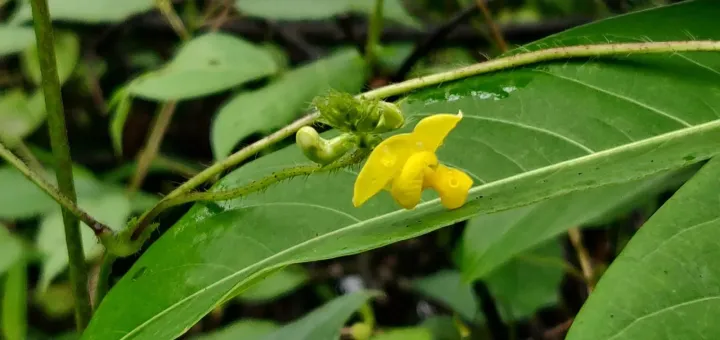
Description
Sowing dates
Vigna mungo, commonly known as black gram, is a warm-season crop that thrives in tropical and subtropical climates. Sowing should only begin when the soil temperature consistently reaches 18–20°C, as the seeds are highly sensitive to cold-induced dormancy.
The optimal planting time typically follows the onset of the monsoon season or once the risk of late spring frosts has completely passed. Early sowing is preferred to ensure that the vegetative phase takes advantage of the available moisture.
For efficient field management, seeds should be planted in rows spaced 30–45 cm apart. Maintaining an appropriate plant density is crucial to ensure adequate airflow, which significantly reduces the risk of foliar diseases developing within the canopy.
Planting depth should be between 3 to 5 cm. In coarser, sandier soils, a deeper placement is recommended to protect the germinating seeds from rapid surface dehydration, whereas shallower planting is sufficient in heavier, moisture-retentive soils.
When Vigna mungo is utilized as a cover crop or green manure, sowing dates can be adjusted to late summer. This allows the plant to accumulate significant biomass, which is then incorporated into the soil to enhance structure and nitrogen levels.
Growing requirements
As a member of the Fabaceae family, Vigna mungo is a hardy annual legume. It is highly valued for its adaptability, though it requires ample warmth throughout its life cycle to produce high-quality grain.
The crop prefers fertile, well-drained loamy soils with a neutral pH. It is particularly intolerant of waterlogging, which often leads to root rot and severely stunts growth, making proper land drainage a prerequisite for successful cultivation.
While known for its impressive drought tolerance due to a deep taproot, the crop reaches peak productivity only when adequate moisture is available during the critical flowering and pod-filling stages. Water stress during these periods can cause significant flower drop.
Vigna mungo requires full sunlight exposure to maintain robust stem development. Shade can lead to undesirable etiolation and a marked decrease in grain yield. Being a nitrogen-fixing plant, it requires minimal nitrogen fertilizer, relying instead on symbiotic bacteria.
In terms of agricultural value, it serves as a protein-rich food source and an essential component of crop rotations. It effectively restores soil fertility, making it a sustainable choice for farmers looking to reduce reliance on synthetic fertilizers.
Yield
The yield potential of Vigna mungo is heavily dictated by field management and climatic stability. Under ideal conditions, farmers can expect a grain yield ranging from 1,000 to 1,500 kg per hectare, depending on the specific cultivar used.
Optimizing yield requires careful attention to phosphorus and potassium levels in the soil, as these nutrients drive pod development. Foliar application of essential micronutrients during the early growth phase can further enhance crop vigor.
The choice of variety is a critical yield factor. Modern cultivars have been bred for uniform maturation, which is essential to prevent losses caused by the uneven ripening characteristic of older, more primitive landraces.
The crop exhibits a prolonged flowering period, which can be challenging for mechanical harvesting. Monitoring the crop closely as the pods transition from green to black is necessary to determine the precise window for harvest.
When grown for forage or biomass, the productivity is measured in tons of green matter per hectare. Harvesting at the peak of bloom ensures the highest concentration of proteins and minerals, providing superior nutrition for livestock.
Main diseases and pests
Anthracnose and powdery mildew are the primary fungal threats to Vigna mungo. These diseases proliferate in high humidity, and management involves a combination of fungicide applications and the use of resistant crop varieties.
Root rot, often caused by soil-borne pathogens, poses a major threat to seedlings. Seed treatment with appropriate fungicides and strictly adhering to a 3 to 4-year crop rotation cycle are the most effective preventative measures against these soil-borne diseases.
Insect pests, particularly aphids and the bruchid beetle, can severely impact harvest quality. Aphids transmit viral diseases that drastically reduce yields, while bruchid beetles infest seeds in the field and in storage, causing substantial economic loss.
Yellow mosaic virus, transmitted by whiteflies, is a devastating disease that can wipe out entire plots. Control strategies focus on managing the vector population and removing symptomatic plants as soon as they are identified to limit spread.
Nematodes can cause significant damage to the root system, resulting in poor growth and yield suppression. Implementing deep plowing and incorporating bio-fumigant crops in the rotation helps lower nematode populations in the soil.
Harvesting
Harvesting should be initiated when the majority of pods turn dark brown or black, signaling maturity. Delayed harvesting is risky, as dry pods tend to shatter easily, causing the seeds to drop onto the ground and leading to significant harvest losses.
Mechanical harvesting is commonly performed with combine harvesters. To minimize seed cracking, operators must set the cylinder speed to a low level and ensure that the concave clearances are precisely calibrated for the size of the grain.
Post-harvest moisture management is critical. The seeds must be dried to a moisture content of 12–14% to ensure long-term stability. Failure to dry the grain sufficiently leads to rapid spoilage due to mold and microbial activity.
Safe storage requires cool, dry conditions with adequate ventilation. Granaries should be sealed against rodents and inspected regularly for pests, which can thrive in the high-protein environment provided by the grain.
Cleaning and grading the grain after harvest improves its commercial grade and shelf life. Removing dust, plant debris, and damaged seeds is essential to maintain the quality of the batch throughout the storage period.