
Veronica x franciscana
Veronica x franciscana Eastw.
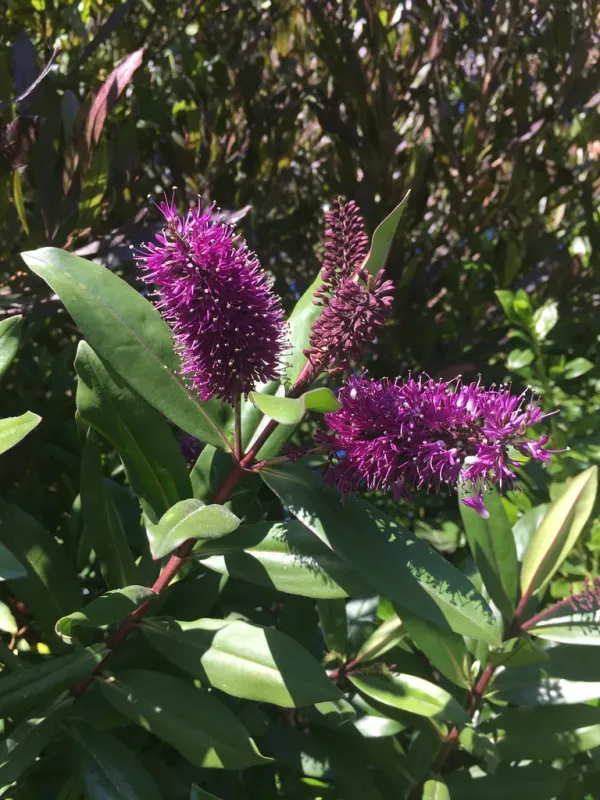
Description
Growing requirements
Veronica x franciscana is an evergreen semi-shrub belonging to the Plantaginaceae family. This hybrid, derived from V. elliptica and V. speciosa, is highly valued in ornamental horticulture for its dense, glossy foliage and vibrant racemes of flowers.
The plant originates from coastal regions, thriving in temperate climates with mild winters. It requires a sunny location with well-draining, fertile soil to prevent waterlogging, which is a major factor in root health during the dormant season.
Agricultural management of this crop involves maintaining consistent soil moisture, particularly during the active growing phase in spring and summer. Providing a balanced fertilizer application promotes continuous flowering and maintains the structural integrity of the shrub.
Propagation is primarily achieved through stem cuttings, which rooting relatively easily in a controlled environment. This method ensures that the desirable aesthetic characteristics of the parent plant are passed down to the new generation.
In landscaping, this species is ideal for borders, mixed containers, and coastal garden designs. Its ability to withstand salt spray makes it a functional choice for seaside planting, provided that it receives adequate wind protection.
Main diseases and pests
Powdery mildew is a common fungal threat to Veronica x franciscana, particularly when humidity levels are high and air circulation is insufficient. Improving airflow through strategic pruning significantly reduces the risk of fungal outbreaks.
Aphids represent a frequent pest challenge, feeding on the tender growth and potentially transmitting viral pathogens. Integrated pest management, including the use of neem oil or soft soap, is recommended to mitigate these infestations effectively.
Slugs and snails can cause significant defoliation, especially in young or nursery-grown plants. Employing physical barriers, such as copper tape or gravel, helps protect the succulent leaves from being damaged by these gastropods.
Spider mites can proliferate during hot, dry spells, causing leaf stippling and overall plant decline. Regular monitoring and overhead misting can help deter mite activity during extended periods of drought.
Root rot, driven by Phytophthora or similar soil-borne pathogens, is a lethal threat in poorly drained soils. Adhering to strict irrigation protocols and avoiding overly wet substrates are the primary defenses against these persistent soil-borne diseases.