
Garden speedwell
Veronica longifolia L.
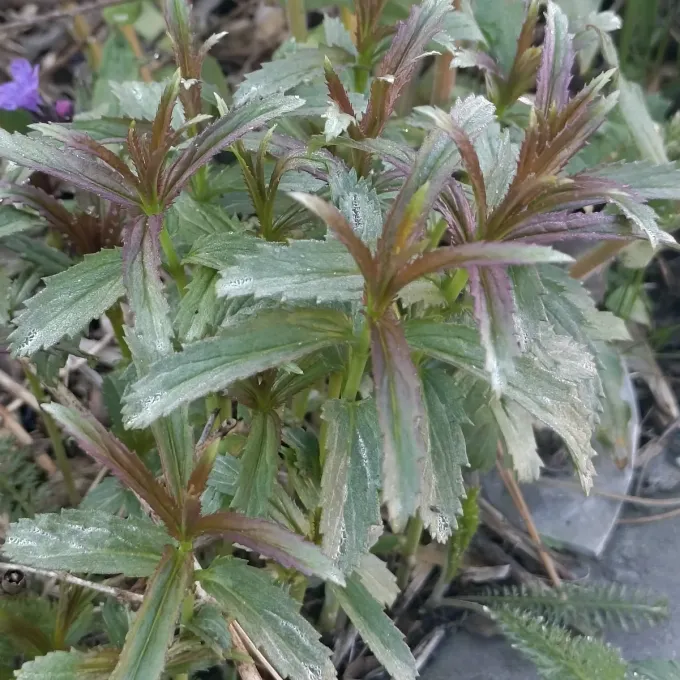
Description
Sowing dates
Garden speedwell is typically propagated through seeds or division. Seeds can be sown in late autumn for winter stratification or in early spring once soil temperature becomes stable.
For indoor propagation, seeds should be sown in trays filled with a sterile, well-draining seed starting mix during late winter, with light coverage due to their small size.
Division is a highly effective method for established plants; it is best performed in the early spring or autumn to allow the root system to recover before extreme weather.
Uniform spacing of 30 to 40 centimeters between plants is recommended to promote airflow and minimize the risk of fungal infections within the dense foliage.
Watering immediately after sowing or transplanting is essential to establish good soil-to-root contact and ensure a high success rate for plant establishment.
Growing requirements
Belonging to the Plantaginaceae family, Veronica longifolia is a robust perennial herb native to temperate regions of Eurasia and is known for its high adaptability.
The plant thrives in full sun exposure but can tolerate partial shade, provided it receives sufficient moisture throughout the active growing season.
Soil requirements include moderate fertility and excellent drainage; while the plant prefers slightly acidic to neutral soils, it is generally tolerant of various soil types.
Hardiness is one of its key features, as the plant can withstand harsh winter conditions without the need for extensive protection, making it a reliable perennial crop.
Good agricultural practices involve regular weeding in the early stages of development and maintaining consistent soil moisture levels for optimal growth.
Yield
Garden speedwell serves multiple economic purposes, ranging from its significant use as an ornamental garden plant to its application in pharmaceutical and herbal industries.
The plant contains valuable bioactive compounds such as iridoid glycosides and flavonoids, which are extracted from the harvested aerial parts for medicinal preparations.
As a prolific nectar source, it is highly valued in apiculture, supporting honeybee populations and contributing to the biodiversity of agricultural landscapes.
Yield potentials are largely dependent on environmental factors such as sunlight availability, irrigation frequency, and the nutritional content of the soil.
Harvesting for commercial purposes typically occurs during the peak flowering season, ensuring that the concentration of active medicinal components remains at its highest.
Main diseases and pests
While generally resilient, Garden speedwell can be susceptible to powdery mildew, particularly in environments with poor air circulation or excessive humidity levels.
Pests such as aphids or certain leaf-eating insects may occasionally damage the foliage, though these issues are typically manageable with timely cultural intervention.
Integrated pest management, including crop rotation and the removal of plant debris, is crucial for preventing the overwintering of pathogens and insect populations.
Avoiding overhead irrigation during late hours helps significantly reduce the incidence of fungal pathogens, keeping the leaf surface dry during the night.
Monitoring the plantation for early signs of disease allows for targeted control measures, which prevents the need for large-scale application of chemical pesticides.
Harvesting
The aerial parts are harvested when the plant is in full bloom, carefully trimming the stems to ensure long-term health and regrowth potential of the plant.
Drying must be conducted in well-ventilated, shaded environments at controlled temperatures to prevent the loss of volatile compounds and ensure product quality.
After the harvest, applying a balanced fertilizer can help the plant recover and store energy in its root system, preparing it for the following season.
Properly dried material should be stored in opaque, moisture-proof containers to protect the phytochemicals from degradation due to light and humidity exposure.
Implementing a careful harvest schedule helps maintain the long-term productivity of the plantation, ensuring that the plant continues to thrive for many years.