
Veronica diosmifolia
Veronica diosmifolia R. Cunn. ex A. Cunn.
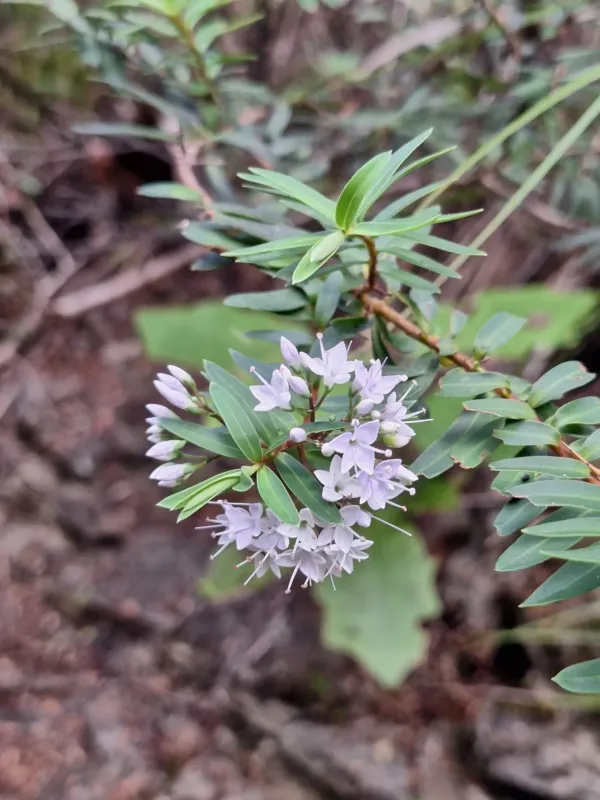
Description
Growing requirements
Veronica diosmifolia is an evergreen semi-shrub belonging to the Plantaginaceae family. Originating from the mountainous regions of New Zealand, this plant is valued in horticulture for its dense, needle-like foliage and attractive flowers that bloom in clusters ranging from white to lavender-blue.
Botanically, this species is noted for its compact habit and woody stems that lignify with age. It is primarily used as an ornamental hedge or as a filler in rock gardens, providing a sophisticated texture that complements broader-leaved garden perennials.
To ensure optimal growth, Veronica diosmifolia requires well-draining, nutrient-rich soil. It thrives in locations with full sun to partial shade, provided that the soil does not retain excessive moisture, as the roots are susceptible to rot in waterlogged conditions.
Climatic requirements are focused on moderate temperatures and protection from harsh winter frosts. In colder climates, it is essential to plant this species in sheltered positions or provide protective mulch to prevent the ground from freezing too deeply.
Basic maintenance includes consistent irrigation during dry spells and light pruning after the flowering season. This practice not only maintains the desired shape of the shrub but also encourages vigorous growth for the following year.
Main diseases and pests
The primary threat to Veronica diosmifolia is fungal infection caused by poor soil drainage. Root rot is the most common issue, often resulting in the wilting and eventual death of the plant if drainage is not improved immediately.
Aphids represent a frequent pest challenge, particularly during the active growing phase. They tend to cluster on tender new shoots and buds, which can stunt the development of the plant and reduce the overall quality of its flowering display.
Powdery mildew may manifest as a white, powdery coating on the leaves if the plant is situated in an area with poor air circulation. Ensuring adequate spacing between plants is the most effective preventative measure against this type of fungal outbreak.
Spider mites are another concern, specifically in hot and arid environments. They often cause leaves to turn yellow or mottled, which detracts from the plant's aesthetic value and health, requiring prompt treatment with horticultural oils or soap sprays.
To maintain a healthy garden environment, regular monitoring for signs of stress or pests is recommended. Integrating proper fertilization and avoiding overhead watering can significantly decrease the likelihood of disease and pest proliferation throughout the season.