
Alpine speedwell
Veronica alpina L.
Description
Sowing dates
Propagating Alpine speedwell usually involves seed sowing. Seeds require a period of stratification to break dormancy, mimicking the cycle of winter cold found in their natural habitats.
The optimal sowing time is late autumn for outdoor beds or early spring for indoor containers. Seeds should be pressed lightly into the soil surface as they require light to germinate.
Maintaining high humidity during the germination phase is essential. Using a fine misting system or covering containers with clear plastic helps sustain the necessary moisture levels for the sensitive seeds.
Once seedlings have developed at least two sets of true leaves, they should be transplanted to individual pots. This transition phase requires careful handling to protect the delicate root structures.
For vegetative propagation, division is performed in early spring. Gently separating the rhizomes allows the plant to establish quickly before the onset of high summer heat.
Growing requirements
Alpine speedwell (Veronica alpina L.) is a perennial herbaceous plant belonging to the Plantaginaceae family. It is naturally adapted to cold climates, thriving in arctic and alpine environments across the Northern Hemisphere.
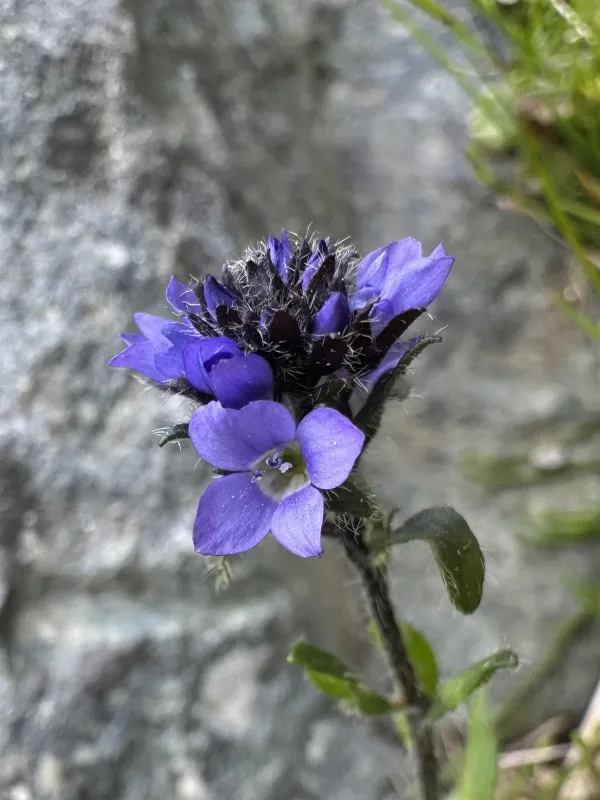
The plant features a short stem reaching up to 20 cm in height, with elliptical leaves and dense, terminal racemes of deep blue or violet flowers. It is a highly specialized plant that thrives in rocky or grassy mountain habitats.
Growing conditions must mimic high-altitude climates. This plant prefers cool temperatures, consistent moisture, and sites with excellent drainage, avoiding any potential waterlogging.
Soil requirements include well-aerated, slightly acidic to neutral substrates rich in organic matter. It is essential to ensure the soil structure allows for rapid moisture percolation.
The culture is sensitive to excessive heat during the summer months, making site selection for cultivation a critical factor for long-term survival in garden or nursery environments.
Main diseases and pests
Alpine speedwell is generally hardy, but it is susceptible to specific diseases when kept in poor growing conditions. The primary risk factor is the combination of high humidity and limited airflow.
Powdery mildew represents the most frequent fungal threat to the foliage. Implementing proper spacing between plants is the best preventative strategy to ensure sufficient air movement.
Root rot is a major danger caused by waterlogged soil. This can be mitigated by ensuring that the growth medium contains significant amounts of perlite, grit, or coarse sand for drainage.
Insect pests, including aphids and leaf-eating caterpillars, may occasionally infest the plants. Integrated pest management, such as manual removal or biological treatments, is recommended over heavy chemical use.
Regular sanitation of the cultivation area, including the removal of dead or decaying plant material, is crucial to prevent the spread of fungal spores and overwintering of pests.