
Hybrid speedwell
Hybrids between Veronica ovata and Veronica spicata
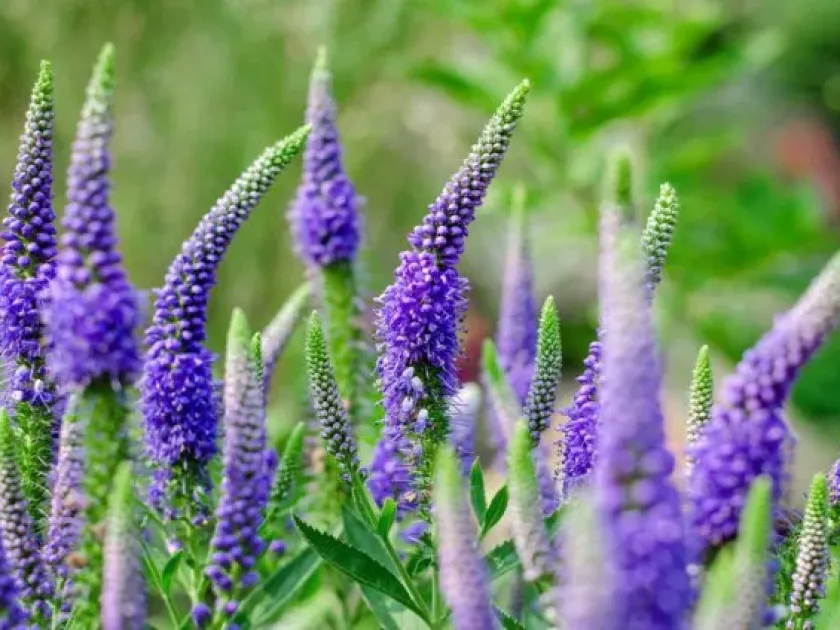
Description
Sowing dates
The sowing of hybrid speedwell in agricultural settings is typically performed using indoor propagation techniques to ensure uniform seedling emergence. The optimal period for sowing seeds is from late February to early March in controlled greenhouse conditions.
For direct seeding in open fields, autumn is preferred as it allows the seeds to undergo natural stratification during the winter months. Spring sowing requires pre-chilling seeds in a refrigerator for one month to simulate winter conditions.
As the seeds of this hybrid are very small, they should be sown on the surface and pressed gently into the substrate without covering. Deep sowing prevents light from reaching the seeds, which is necessary to trigger the germination process.
Maintaining a constant temperature between 18 and 22 degrees Celsius and high humidity is crucial for success. Once the first true leaves appear, seedlings are transplanted into individual containers or nursery beds for further development.
Transplanting to the final location should occur after the last frost of spring, usually in May. Maintaining a spacing of 30 to 40 centimeters ensures adequate airflow and reduces competition for nutrients among the plants.
Growing requirements
Hybrid speedwell, a cross between *Veronica ovata* and *Veronica spicata*, belongs to the Plantaginaceae family. The plant is highly adaptable and thrives in sunny locations with well-drained, fertile, and moderately moist soil.
Excessive water retention in the root zone is detrimental to the plant, so drainage systems are essential on heavy or clay-heavy soils. The crop performs best when grown in environments with good air circulation and moderate humidity.
The plant is highly resilient and displays excellent cold tolerance, allowing it to be cultivated across a wide range of climatic zones. It is well-suited for temperate regions where it can overwinter successfully without specialized shelter.
Regular irrigation is vital during the establishment phase and periods of drought. However, it is important to avoid waterlogging, as damp conditions can quickly lead to root rot and other moisture-related diseases.
Fertilization with balanced NPK fertilizers in early spring and before the start of the main blooming cycle supports vigorous growth. Over-fertilization should be avoided to prevent excessive vegetative growth at the expense of flower development.
Main diseases and pests
The primary threats to hybrid speedwell include fungal diseases, specifically powdery mildew and various leaf spot pathogens. These issues are most prevalent in humid conditions with poor ventilation among plants.
Proactive disease management involves maintaining proper spacing and promptly removing any infected plant material. In severe cases, the application of systemic fungicides, approved for ornamental crops, is recommended.
Pest threats include various lepidopteran larvae and aphids that feed on the foliage and flower spikes. Regular scouting is essential to identify infestations early and apply appropriate chemical or biological control measures.
Maintaining a clean cultivation area by removing weeds and debris significantly reduces the risk of pest and disease outbreaks. Crop rotation and sanitation are key pillars of successful speedwell management.
During the growing season, monitoring for symptoms of wilting or discoloration is important. Early intervention helps maintain the overall quality and commercial value of the flower spikes.
Harvesting
The harvest of hybrid speedwell is primarily focused on obtaining high-quality spikes for the cut flower industry. The ideal stage for cutting is when approximately two-thirds of the florets on the spike are open.
Harvesting should ideally be conducted in the early morning when the plants have maximum turgidity. This helps ensure a longer vase life for the cut stems, which can reach up to ten days with proper care.
Deadheading the spent flower spikes is a crucial maintenance practice that encourages a second flush of blooms later in the season. This significantly boosts the yield potential of the crop throughout the year.
If seeds are required, the most vigorous spikes should be left to mature fully. Harvesting should be performed on a dry day, and the seed heads should be air-dried in a ventilated area before processing.
At the end of the season, a sanitary pruning of the foliage is performed, leaving the basal rosette intact. This prepares the plant for dormancy and ensures a healthy restart in the following spring.