
Anderson's speedwell
Veronica x andersonii Lindl. & Paxton
Description
Growing requirements
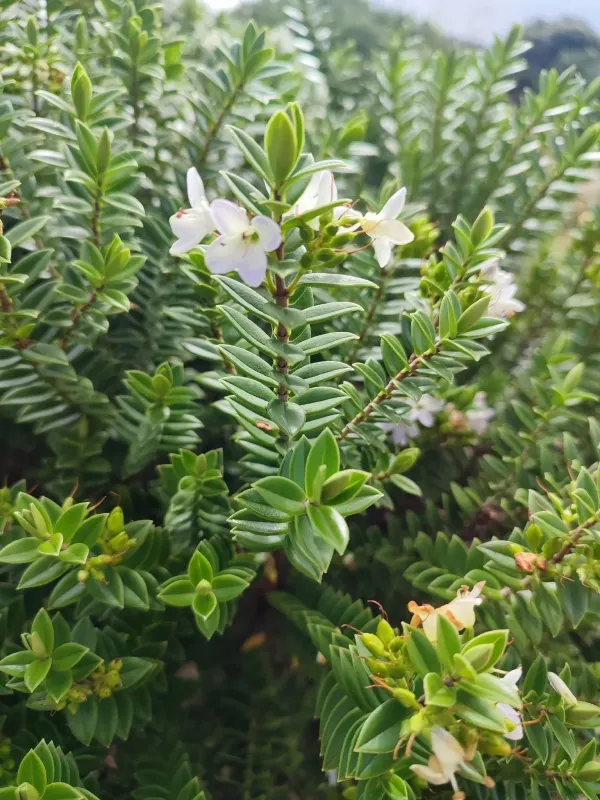
Anderson's speedwell (Veronica x andersonii) is a hybrid ornamental shrub belonging to the Plantaginaceae family. It is a man-made variety developed for its aesthetic qualities, particularly its long, elegant spikes of blue or violet flowers that bloom throughout the summer.
The plant features upright, leafy stems and lance-shaped green foliage that remains attractive throughout the growing season. Because it is a hybrid, it is propagated vegetatively rather than by seed, ensuring the characteristics of the cultivar are preserved.
For optimal growth, this plant requires a sunny location with well-drained, fertile soil. It thrives in loamy or sandy soil types and does not tolerate waterlogging, which can easily lead to root rot during the dormant winter period.
Climate considerations are essential, as this species is not fully frost-hardy in colder regions. In temperate zones, it is often grown as a container plant or requires substantial winter protection, such as thick mulch or shelter, to survive freezing temperatures.
Routine maintenance includes moderate watering during dry spells and occasional pruning of faded flower spikes to encourage a secondary flush of blooms. Adding organic compost in the spring provides the necessary nutrients for vibrant flowering.
Main diseases and pests
Like many plants in this family, Anderson's speedwell is susceptible to powdery mildew, especially during humid summers with poor air circulation. Proper spacing between plants is critical to ensure enough airflow to prevent fungal buildup.
Aphids and spider mites are the most common pests affecting the foliage. These small insects feed on the plant sap, often causing yellowing or curling leaves if left untreated. Regular monitoring is advised for early detection.
Root rot is the most common physiological disorder, usually resulting from poor soil drainage or excessive watering. Ensuring the planting site is slightly elevated or has added grit can significantly reduce the risk of root damage.
To combat infestations, insecticidal soaps or horticultural oils can be used for mild cases. For more severe attacks, systematic pesticides may be necessary, provided they are safe for the surrounding environment.
Sanitation is key to disease management. Always remove and destroy diseased plant material to prevent the spread of spores. Keeping the garden area free of debris helps maintain a healthy growing environment for the shrub.