
Spiked speedwell
Veronica spicata L.
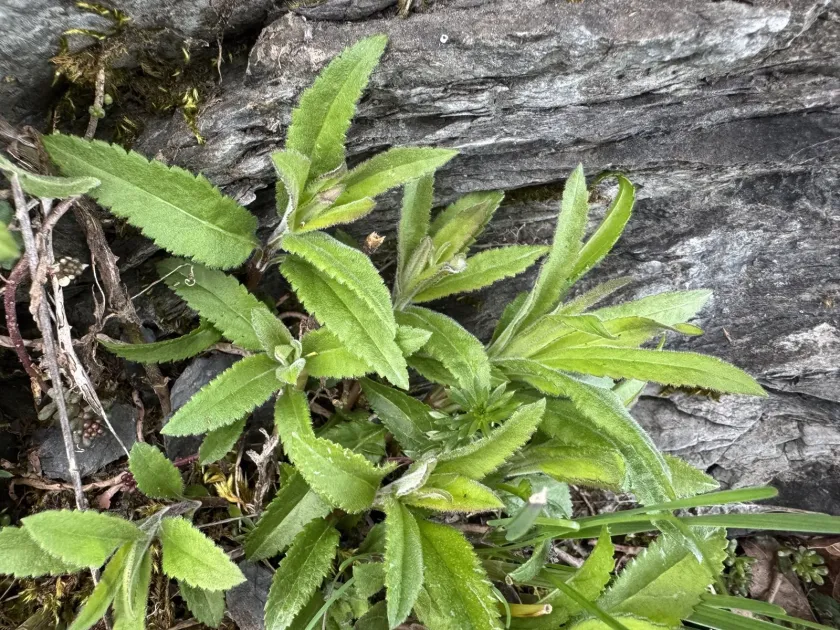
Description
Sowing dates
Spiked speedwell is typically propagated via seeds sown in the autumn, allowing for natural winter cold stratification. If sowing in the spring, seeds must be kept in a cool environment for at least three to four weeks prior to planting to ensure a high germination rate.
For indoor starts, sow seeds in trays during early March using a well-draining, sterile seed-starting mix. Keep the soil lightly moist and provide consistent ambient light, as the seeds need light to germinate properly, and cover them only very thinly.
Seedlings should be pricked out into individual pots once they develop their first set of true leaves. Ensure they are gradually acclimatized to outside conditions before final transplanting into the garden, which usually occurs in late May once frost risk has passed.
As a member of the Plantaginaceae family, Veronica spicata is a robust perennial. Vegetative propagation, such as division of the root clump in early spring or late autumn, is highly effective for maintaining specific cultivars in agricultural or nursery settings.
Space plants approximately 30 to 40 centimeters apart to allow for proper airflow, which is critical for preventing the development of fungal diseases as the foliage density increases throughout the growing season.
Growing requirements
This species thrives in full sun, which is essential for developing its signature long, upright spikes. Planting in partial or full shade often leads to spindly growth and a significant reduction in flower production, compromising the plant's aesthetic appeal.
Well-drained, fertile soil is a strict requirement for the spiked speedwell. While it tolerates a variety of soil types, it performs best in neutral to slightly alkaline conditions; it will quickly show signs of distress in heavy, waterlogged clay soils.
Veronica spicata is prized for its drought tolerance once established, though it requires consistent moisture during its initial growth phase and the peak blooming period. Over-watering should be avoided to prevent root rot.
The plant is highly frost-hardy and requires minimal winter protection in most temperate climates. In areas with extremely harsh winters, a light layer of mulch around the root base is sufficient to protect the plant from deep freezing.
Regular maintenance includes clearing away dead foliage in early spring and applying a balanced, slow-release fertilizer during the onset of active growth. Deadheading spent spikes can encourage secondary blooming throughout the late summer months.
Main diseases and pests
Powdery mildew is the most prevalent threat, particularly in humid climates or areas with poor air circulation. Symptoms include a white, dust-like coating on the foliage, which can be managed using sulphur-based fungicides and by improving spacing.
Leaf spot diseases may occur under conditions of excessive moisture and poor hygiene. Removing and destroying affected plant debris is a vital step in preventing the spread of spores, as well as keeping the foliage dry during irrigation.
Aphids and certain caterpillars can occasionally infest the plant, feeding on the soft growth of the flower spikes. Small infestations can be manually removed or treated with insecticidal soaps if the population reaches economic thresholds.
Nematodes are a less common but more serious threat, causing stunted growth and distorted root development. Crop rotation and the selection of disease-free planting stock are the best preventive strategies against subterranean pests.
By implementing a proactive integrated pest management (IPM) plan, growers can ensure the longevity of their plantings and maintain the high quality of the foliage and flowers required for market distribution.
Harvesting
For the cut flower industry, harvest the spikes when roughly two-thirds of the florets have opened. This timing ensures the longest vase life and maximum visual impact for the end consumer, as the flowers continue to open after cutting.
Use clean, sharp shears to make cuts near the base of the stem, approximately 15 centimeters above the ground. Proper sanitization of tools is essential to prevent the transmission of pathogens between different parts of the plant.
Post-harvest handling involves moving the cut stems immediately to a cool, shaded environment. Placing the bases in a clean water solution with flower preservatives will significantly extend the shelf life of the botanical material.
Dried arrangements are another common use for Veronica spicata. To prepare, hang the cut stalks upside down in a dark, dry, and well-ventilated area until the tissue is completely dehydrated, which preserves the color of the spikes.
Proper harvest cycles and post-harvest care contribute to a multi-year productive lifespan for the planting site. With good management, these plants can remain viable and productive for up to seven years before requiring division.