
Pedunculate speedwell
Veronica peduncularis M. Bieb.
Description
Growing requirements
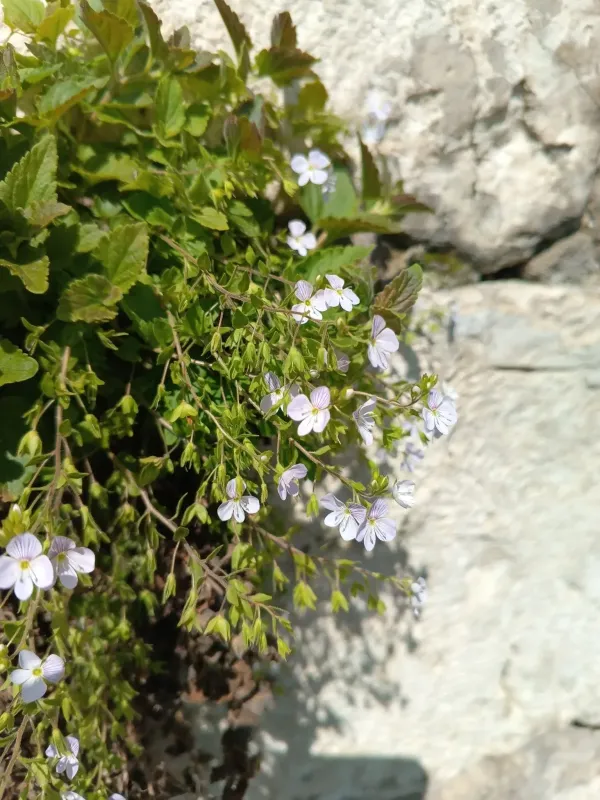
Veronica peduncularis, known as pedunculate speedwell, is a herbaceous perennial belonging to the Plantaginaceae family. Originally native to the Caucasus region, this plant has adapted to woodland margins and shaded rocky areas, which informs its biological preference for moderate light and consistent moisture.
To ensure robust growth, the plant requires well-drained, fertile soil with a slightly acidic to neutral pH level. While it thrives in partial shade, it demonstrates significant adaptability, performing well in brighter conditions provided that the soil is kept adequately moist throughout the growing season.
The cultural requirements are minimal, as the species is highly hardy and can withstand varying temperature extremes. Regular irrigation is recommended during dry spells, particularly for young plants that are still establishing their root systems in the garden bed or rockery.
Propagation is effectively achieved through division or stem cuttings, making it a sustainable choice for ground cover restoration. It serves an important function in modern landscaping by suppressing common weeds and reducing the necessity for manual soil maintenance around trees and shrubs.
For maintaining aesthetic appeal, gardeners should prune back the foliage after the primary blooming period. This practice encourages secondary flowering and maintains a dense, compact growth habit, preventing the plant from becoming sparse or leggy during the heat of mid-summer.
Main diseases and pests
The primary pathological threats to this species include fungal infections such as downy mildew and leaf spots, which typically appear when air circulation is poor or humidity levels remain excessively high for prolonged periods. Ensuring adequate spacing between individual plants is the best preventative strategy.
Pests such as aphids and leaf-eating beetles may occasionally target the succulent foliage. While these infestations are rarely fatal, they can reduce the plant's decorative value, requiring mild intervention with horticultural soaps or organic pesticides to maintain foliage health.