
Veronica parviflora
Veronica parviflora Vahl
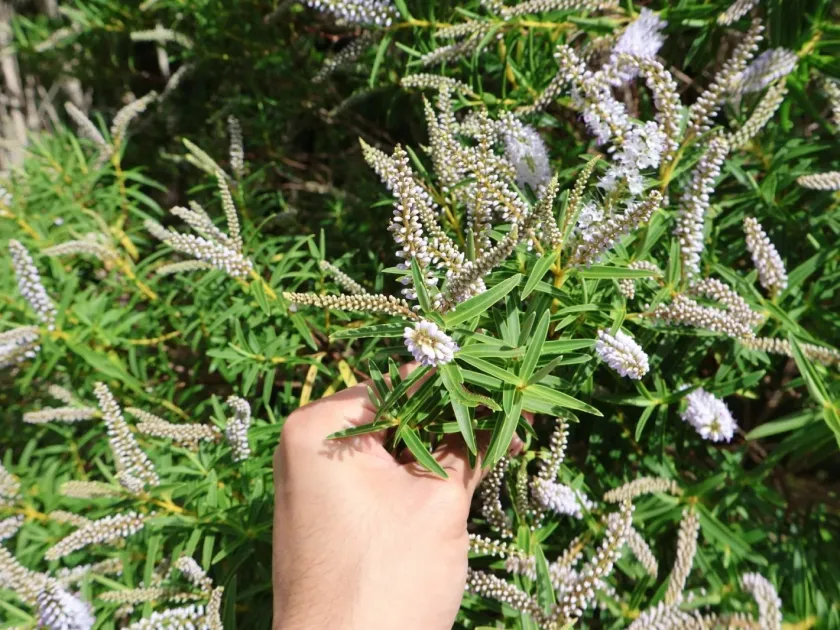
Description
Growing requirements
Veronica parviflora, belonging to the Plantaginaceae family, is an evergreen subshrub native to New Zealand. It is highly valued in horticulture for its elegant growth habit and delicate floral displays.
The plant thrives in well-drained, nutrient-rich soils with a neutral to slightly acidic pH balance. Good drainage is critical, as the roots are sensitive to waterlogging, which often leads to decay during colder, wetter months.
Exposure to full sunlight is essential for maintaining the compact shape and promoting dense flowering. While it prefers a temperate climate, it requires shelter from harsh, drying winds, especially in more exposed garden locations.
Irrigation should be consistent but moderate, allowing the surface of the soil to dry slightly between waterings. In areas with high heat, providing a layer of organic mulch helps to insulate the root zone and retain moisture.
Landscape applications include planting in rock gardens, mixed herbaceous borders, or as a low-growing foundation plant. Its ability to tolerate occasional pruning makes it suitable for creating structured garden features.
Main diseases and pests
The primary health concerns for Veronica parviflora involve fungal infections, specifically powdery mildew and root rot. These issues are most prevalent in areas with high humidity and poor air circulation among the foliage.
Cultural practices, such as proper spacing during planting, are the most effective preventative measures. Ensuring that the foliage can dry quickly after rainfall significantly reduces the susceptibility of the plants to these pathogens.
Aphids and spider mites are the most common pests that can affect the plant's health. Aphids typically colonize the soft, new growth, while spider mites tend to thrive in dry, hot conditions, damaging the leaves.
Monitoring the undersides of the leaves regularly is recommended for early detection of pest infestations. Utilizing gentle horticultural oils or insecticidal soaps can manage these populations without damaging the plant's aesthetic quality.
Maintaining a weed-free environment around the base of the plant is also crucial for preventing the spread of diseases and reducing competition for nutrients. Healthy, vigorous plants generally exhibit much higher resistance to pests.