
Spiked speedwell hybrid
Veronica ovata Nakai subsp. kiusiana (Furumi) Albach x V. spicata L.
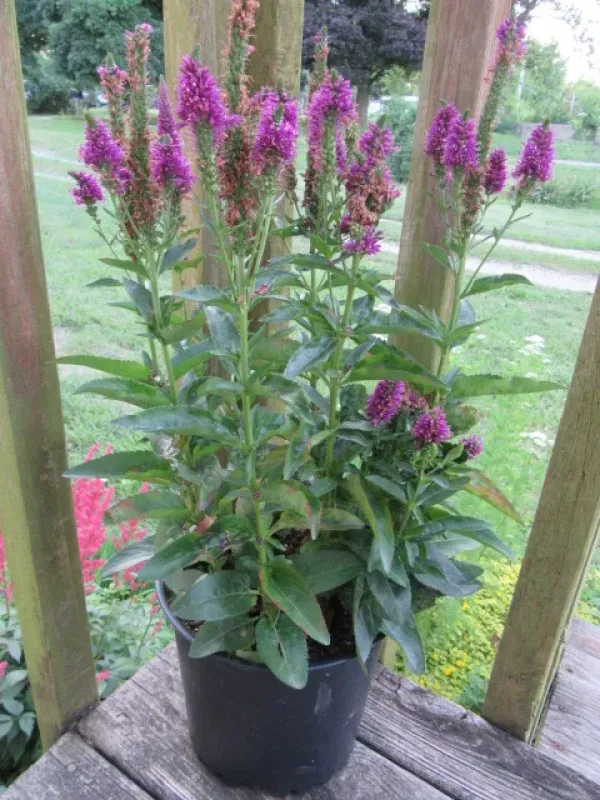
Description
Sowing dates
Propagation of the Spiked speedwell hybrid (Veronica spicata hybrid) can be achieved via seeds or vegetative division. Seeds are typically sown in early spring in well-prepared, loose garden soil.
For container-grown seedlings, start indoors in late winter. Seeds are minute and should be pressed into the soil surface without covering them heavily, as light exposure is beneficial for germination.
Seedlings are pricked out into individual pots once they reach the two-leaf stage. Transplanting to the permanent garden bed occurs after the last frost, typically in late May, maintaining a spacing of 30–40 cm.
Division of mature clumps is the most reliable method for maintaining hybrid traits. This should be performed in early spring as new growth emerges or in early autumn to allow root establishment before dormancy.
When dividing, ensure each segment has at least 3–4 healthy buds. Water the newly planted divisions thoroughly to eliminate air pockets and encourage rapid root development in the new location.
Growing requirements
Belonging to the Plantaginaceae family, this hybrid thrives in full sun, which is essential for producing strong, upright flower spikes. In partial shade, the plant tends to become leggy and loses its vibrant color.
The ideal soil is moderately fertile, sandy, or loamy with excellent drainage. While it tolerates various soil types, it is highly sensitive to waterlogged conditions, which often lead to crown rot during winter months.
Climate tolerance is significant; the plant is hardy and adapts well to temperate regions. In areas with harsh winters, a light mulch of organic matter can protect the shallow root system from extreme cold and frost heave.
Watering requirements are moderate. Once established, the hybrid shows a degree of drought tolerance, although consistent moisture during the peak summer bloom period results in significantly longer and more prolific flowering.
Apply balanced fertilizers early in the season to support vigorous foliage growth. Once the flower buds begin to appear, a low-nitrogen, high-phosphorus fertilizer can be used to enhance bloom quality.
Main diseases and pests
The primary pathological threat is powdery mildew, which manifests as a white, dusty fungal growth on the leaves. This is most prevalent in humid, stagnant air environments where plant spacing is insufficient.
Good cultural practices, such as proper airflow and avoiding overhead watering, are the best preventive measures. If the infection occurs, use sulfur-based or systemic fungicides to control the spread.
Insect pests, including aphids and leaf-eating beetles, may occasionally infest the plants. These pests weaken the host by consuming sap or damaging tissue, which can delay the opening of flower spikes.
Control of pests involves regular inspection and the application of neem oil or approved horticultural insecticides. Early detection is key to preventing major infestations that could compromise the plant's health.
Root rot caused by poor soil drainage remains the most significant physiological threat. Ensuring the planting site is slightly elevated or amended with grit can drastically reduce this risk.
Harvesting
The primary use of the Spiked speedwell hybrid is in ornamental landscapes, specifically for borders, rock gardens, and cut flower arrangements. Stems should be cut when roughly half of the florets are open.
In floral arrangements, the spikes maintain their beauty for up to two weeks if stems are recut and water is changed daily. They are prized for their structural verticality and intense color saturation.
Deadheading is a critical horticultural task. Removing spent spikes prevents the plant from setting seed and often triggers a second flush of flowers later in the summer season.
As the plant enters dormancy in late autumn, the entire aerial biomass should be cut back to just above the soil line. This grooming prepares the plant for winter and clears debris that could harbor pathogens.
To keep the garden display fresh, renovate large clumps every few years. Dividing and replanting ensures that the hybrid continues to produce healthy, vigorous spikes every growing season.