
Veronica ovata
Veronica ovata Nakai
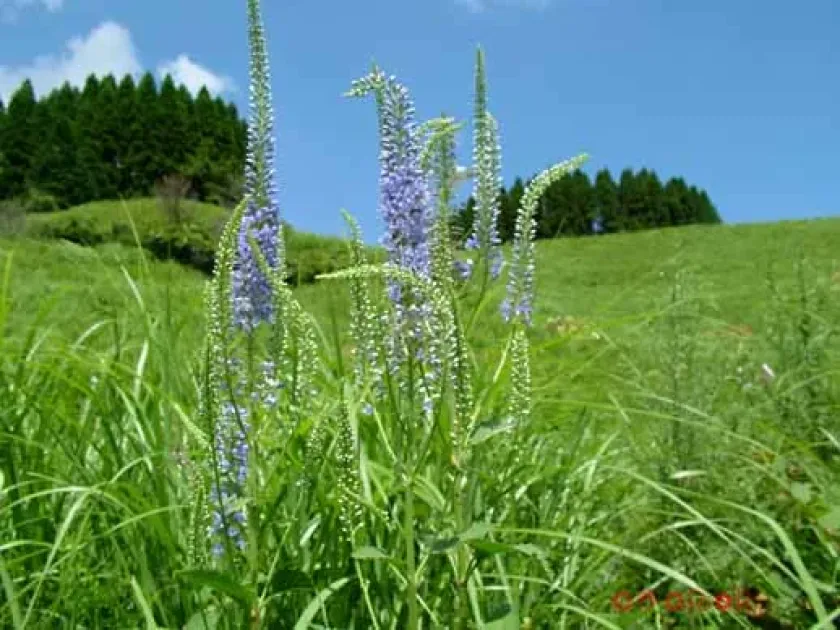
Description
Growing requirements
Veronica ovata is a perennial herbaceous plant belonging to the Plantaginaceae family. Originally native to East Asia, it has adapted to diverse climatic zones, thriving in environments that offer moderate moisture and filtered sunlight conditions.
Botanically, the plant is characterized by its distinct ovate leaves and small, delicate florets organized in racemes. Its root system is fibrous and expansive, allowing the plant to stabilize itself efficiently in various soil types, ranging from sandy loams to heavier silt soils.
Optimal growth requires well-drained, nutrient-rich soil with a neutral to slightly acidic pH level. Ensuring the soil has adequate organic matter content is essential for promoting vigorous development and ensuring the plant achieves its full decorative or agricultural potential.
The plant demonstrates a preference for temperate climates, showing significant resilience against mild seasonal shifts. However, consistent moisture management is key; the soil should remain moist but never waterlogged to prevent root health degradation.
Cultivation practices include regular weed management, especially during the early growth stages, and strategic fertilization. Applying balanced NPK fertilizers during the pre-blooming phase significantly improves biomass production and overall plant health.
Main diseases and pests
The primary threats to Veronica ovata include common fungal pathogens like powdery mildew and Botrytis (gray mold). These diseases typically emerge when planting densities are too high and airflow is restricted within the crop canopy.
Pest pressure is frequently attributed to aphids and spider mites, which can severely impact plant vitality. Aphids target tender terminal shoots, while spider mites exploit moisture deficits to compromise the leaves' photosynthetic ability.
Integrated Pest Management (IPM) is strongly recommended to maintain crop health. This involves routine scouting, removing infested plant tissues, and applying targeted, eco-friendly insecticides or fungicides when economic injury levels are reached.
Proper spacing during the sowing or transplanting phase is a critical cultural practice to mitigate disease risk. Adequate space ensures optimal ventilation, which effectively lowers leaf surface humidity and hinders fungal spore germination.
Winter care and early spring maintenance, including the removal of dead organic matter, play a significant role in reducing the inoculum of soil-borne pathogens, thereby ensuring a healthy start for the new growing season.