
Heath speedwell
Veronica officinalis L.
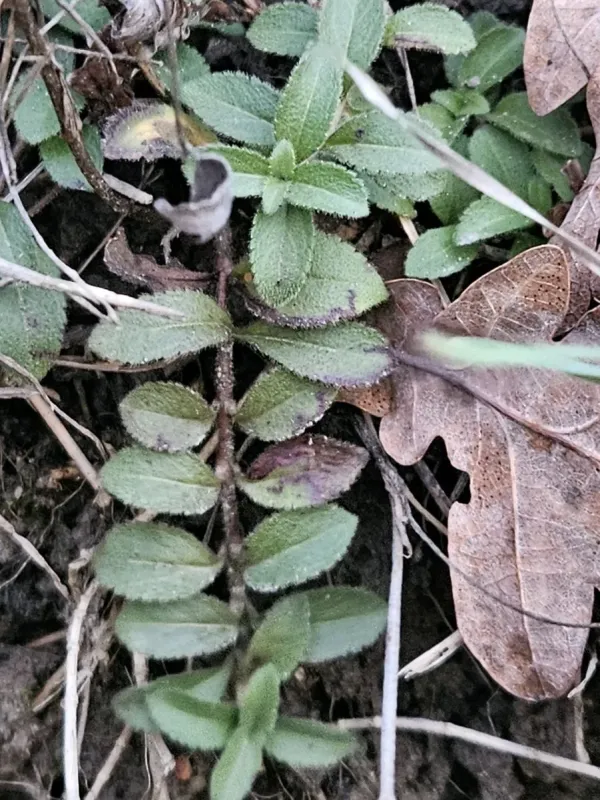
Description
Growing requirements
Heath speedwell (Veronica officinalis L.) is a perennial herbaceous plant belonging to the Plantaginaceae family. It is characterized by its creeping stems that root at the nodes, forming expansive mats in forest environments.
The plant is highly adaptable to various soil types, preferring acidic to neutral, well-drained loamy soils. It thrives in cool climates, demonstrating strong resistance to winter frosts and fluctuating spring temperatures.
Regarding light requirements, Veronica officinalis prefers partial shade. While it can survive in open sunny fields, excessive heat often leads to leaf scorching and a significant decrease in the accumulation of active compounds.
Agrotechnical practices involve careful soil preparation to ensure aeration. Since the plant has a shallow root system, intensive mechanical weeding is not recommended; manual weeding or mulching with organic material is preferred.
Economically, this species is vital for the pharmaceutical industry. Its medicinal value is derived from its high content of iridoid glycosides and flavonoids, which possess significant anti-inflammatory and secretolytic properties.
Main diseases and pests
The crop is vulnerable to fungal infections, particularly powdery mildew and rust, which are common in environments with poor air circulation or excessive humidity levels during the growing season.
Insects such as aphids and leaf-eating beetles can cause damage to the foliage. Monitoring during the early growth phase is essential to implement timely control measures before significant damage occurs.
Cultural control, such as selecting resistant cultivars and ensuring adequate spacing, remains the primary method for managing diseases without relying heavily on chemical pesticides.
Water management is crucial in disease prevention; avoiding overhead irrigation during humid weather helps keep the foliage dry and reduces the spread of fungal spores.
Integrated pest management strategies should prioritize biological controls to maintain the high quality of the medicinal herb, as residue limits are strictly monitored.
Harvesting
The harvest period is typically during the plant's full bloom, usually in mid-summer, when the vegetative parts contain the highest concentration of phytochemicals.
Harvesters cut the above-ground parts of the plant, ensuring that at least a portion of the stem remains to facilitate the regeneration of the perennial rootstock for the following season.
Drying must occur immediately after harvest. Spreading the plants in thin layers in a shaded, ventilated area preserves the vibrant green color and medicinal effectiveness of the leaves.
Once the material is dry, it should be stored in cool, dark, and moisture-free conditions to prevent degradation of the delicate botanical compounds over time.
- Final moisture content should be stable at 10-12% for safe storage and market compliance.