
Broadleaf speedwell
Veronica austriaca L. x Veronica spicata L.
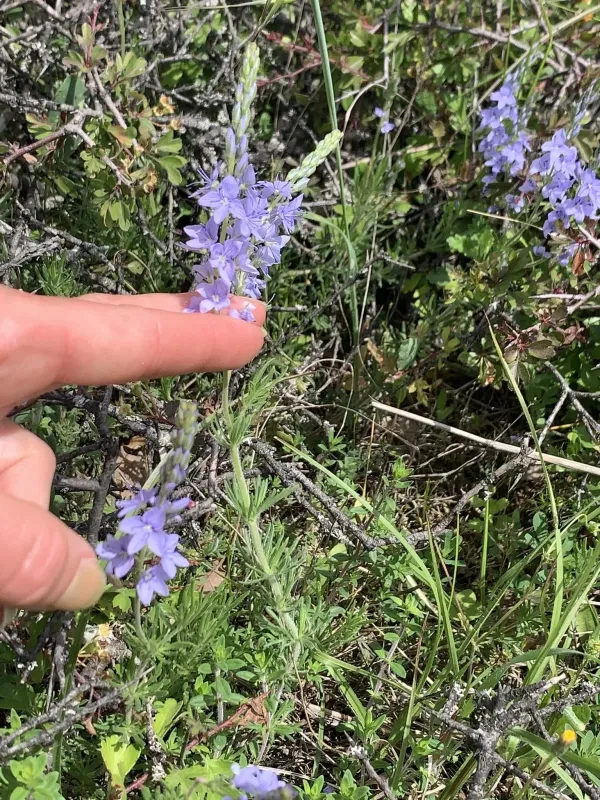
Description
Growing requirements
Broadleaf speedwell (Veronica austriaca) is a perennial herbaceous plant belonging to the Plantaginaceae family. It is native to temperate regions of Europe and Western Asia, where it thrives in open meadows and rocky mountain slopes.
The plant features ascending stems and lance-shaped leaves with serrated edges. Its growth habit is typically clump-forming, making it an excellent candidate for borders and rock gardens due to its dense foliage and vibrant blue flowers.
In terms of environmental requirements, this species prefers full sun exposure to maintain its compact shape and intense flowering. It is well-adapted to various soil types, provided they offer excellent drainage to prevent root issues.
The plant demonstrates significant drought tolerance once established, making it suitable for low-maintenance landscaping. However, supplemental watering during prolonged dry spells will significantly improve the quality of blooms.
Cultural practices should focus on spring fertilization and occasional pruning after the main flowering period to encourage secondary growth. These steps ensure the plant remains vigorous and aesthetically pleasing throughout the season.
Main diseases and pests
Broadleaf speedwell is generally hardy, but it can be susceptible to powdery mildew during humid, stagnant weather conditions. Proper air circulation between plants is the most effective preventative measure.
Root rot is a common threat in sites with poor drainage or heavy clay content. Ensuring the planting site is elevated or properly amended with grit can eliminate this risk almost entirely.
Aphids are the most frequent insect pests, often clustering on young shoots. Regular monitoring and washing with mild soap solutions or botanical oils are effective control strategies for minor infestations.
Leaf spot diseases may occasionally appear if the foliage stays wet for too long. Removing infected material and improving water management practices will help keep the plants healthy.
By implementing integrated pest management techniques, including sanitation and proper spacing, growers can maintain the health of their speedwell patches without excessive chemical intervention.