
Austrian speedwell
Veronica austriaca L.
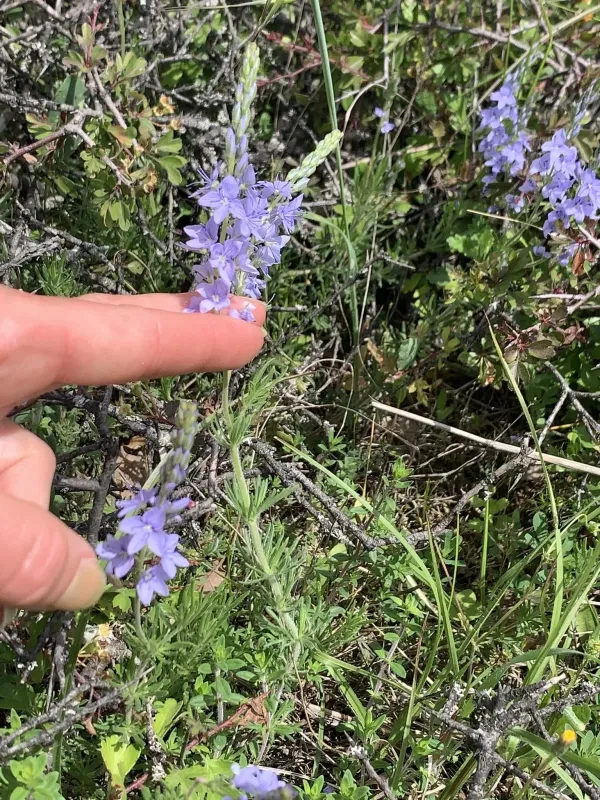
Description
Growing requirements
Austrian speedwell (Veronica austriaca) is a perennial herbaceous plant belonging to the Plantaginaceae family. It is recognized for its lanceolate, often pubescent leaves and vibrant blue flowers that appear in long, slender racemes during the spring and early summer.
Native to Europe and parts of Asia, this species typically thrives in meadows, rocky slopes, and open woodlands. Its evolutionary history has endowed it with significant tolerance to drought, making it a robust candidate for low-maintenance landscaping.
The crop prefers well-drained, slightly alkaline soil conditions. While it can adapt to various soil types, performance is maximized in loamy soils that prevent waterlogging, as the root system is sensitive to prolonged moisture retention.
Agricultural management requires choosing sites with full sun exposure to ensure proper floral development and stem strength. Regular maintenance involves cutting back the foliage after the first blooming cycle to encourage secondary flowering and improve vigor.
Its primary uses include ornamental gardening, where it serves as an excellent ground cover or edging plant. Industrially, it is researched for its bioactive compounds, which hold potential in the development of natural anti-inflammatory supplements.
Main diseases and pests
Powdery mildew represents the most significant pathological threat to the crop, especially in environments with poor air circulation. Implementing proper plant spacing is the most effective preventative measure against fungal colonization.
Aphid infestations may occur during the peak of spring growth, targeting tender terminal buds. Monitoring and prompt intervention with insecticidal soaps or neem oil solutions are recommended to preserve the integrity of the foliage.
Root rot is common in poorly drained substrates and can lead to rapid plant mortality. Improving soil structure through the addition of organic matter or coarse sand is essential if local soil conditions are too heavy or clay-like.
Leaf-eating caterpillars, particularly from the Geometridae family, can cause significant cosmetic and physiological damage. Integrated pest management strategies, including the use of pheromone traps, are preferred over broad-spectrum pesticides.
Viral infections, characterized by mosaic patterns or stunted growth, are often transmitted by sap-sucking vectors. Maintaining high hygiene standards by cleaning pruning tools after each session is vital for preventing the spread of pathogens between plants.