
Alpine speedwell
Veronica alpina x Veronica spicata
Description
Growing requirements
Alpine speedwell (Veronica alpina) is a perennial herbaceous plant belonging to the Plantaginaceae family. It is native to mountainous regions and arctic areas, thriving in moist soils and rocky habitats across the Northern Hemisphere.
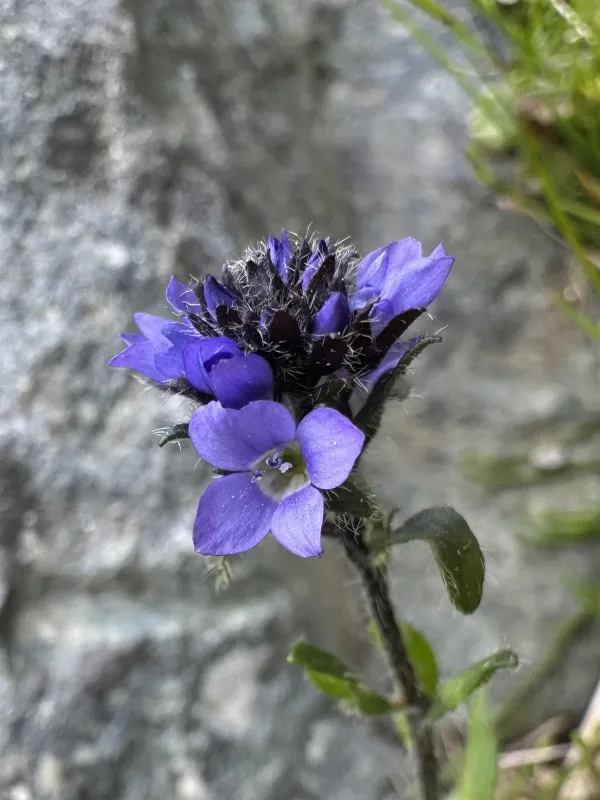
Morphologically, it is a low-growing plant, typically reaching heights of up to 20 cm. It features small, oval leaves arranged oppositely along the stem and produces terminal spikes of deep blue or violet flowers during the summer months.
The cultural requirements of this species focus on providing a cool, moist environment with well-draining soil. It is well-suited for rock gardens and alpine beds where the soil structure mimics natural mountain slopes, being rich in organic matter.
Climate tolerance is a key feature of this species, as it is highly resistant to cold temperatures and frost. However, it requires consistent moisture and performs best when planted in areas with moderate sunlight rather than extreme, scorching heat.
Proper maintenance includes mulching to conserve moisture around the roots and ensuring adequate air circulation. Periodic fertilization with balanced nutrients during the active growing phase helps promote robust flower development.
Main diseases and pests
The primary concern for Alpine speedwell is fungal infection, particularly powdery mildew, which thrives in stagnant, humid conditions. Proper plant spacing is essential to ensure adequate airflow and prevent these issues from developing.
Root rot caused by excessive soil moisture and poor drainage is another critical threat. To prevent this, it is recommended to amend heavy soils with grit or sand before planting to improve the overall drainage capacity.
Pests such as aphids and various larvae can damage foliage during the growing season. Early detection through regular monitoring and the use of insecticidal soaps or biological controls are effective methods for mitigating damage.
Sanitation practices, including the removal of dead leaves and spent flower stalks, are vital for maintaining the health of the plant. This reduces the habitat for pathogens and prevents them from overwintering in the garden beds.
Applying integrated pest management strategies helps to keep the plant vigorous throughout the season. Avoid using excessive nitrogen fertilizers, as these can promote soft, succulent growth that is more susceptible to insect attack.